Planting
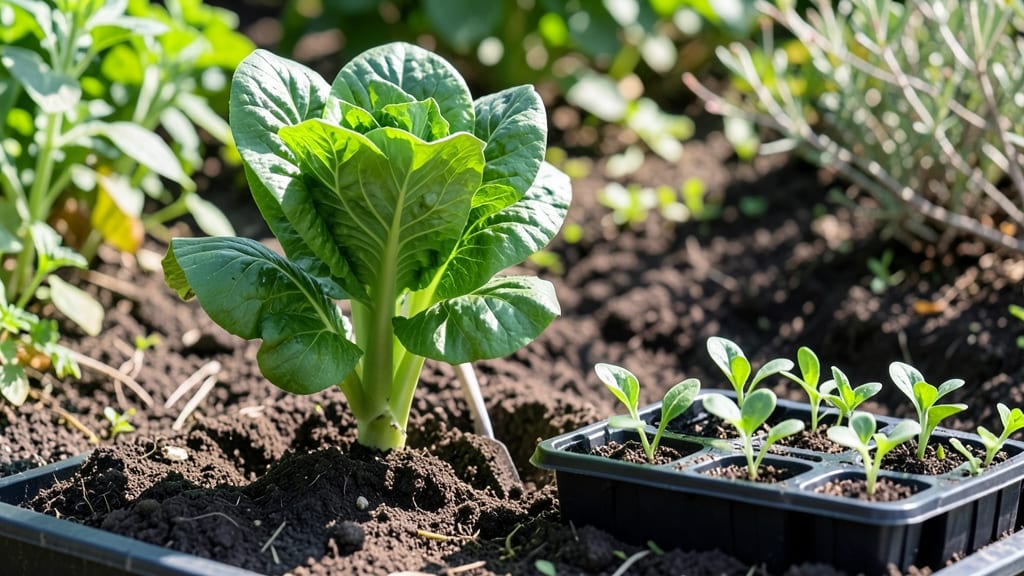
To grow a garden successfully, start by choosing the perfect spot with ample sunlight, fertile soil, and enough space for your plants. Opt for easy-to-grow varieties like basil, spinach, or cherry tomatoes, then enrich the soil with compost before planting seeds or seedlings at the right depth. Water regularly and keep an eye out for pests to ensure healthy growth.
Garden success hinges on three pillars: sunlight, soil quality, and smart plant choices. 🌱 Different plants need varying light conditions—herbs like basil thrive in full sun, while lettuce prefers partial shade.
Testing your soil’s pH (6.0-7.0 is ideal) helps determine which plants will flourish, while compost adds essential nutrients. Even beginners can achieve great results by focusing on these fundamentals first.
Once planted, consistency is key. Most vegetables need about 1 inch of water per week, but leafy greens like spinach prefer slightly more moisture. I recommend watering in the morning to reduce evaporation and fungal risks.
For pests, a simple spray of soapy water or neem oil often works wonders before resorting to chemical solutions.
💡 In This Article
- Essential Soil and Plant Selection for Beginner Gardens
- Step-by-Step Garden Maintenance Schedule for Success
Essential soil and plant selection for beginner gardens
Soil isn't just dirt—it's a living ecosystem that determines whether your plants thrive or struggle. The three main soil types—sandy (fast-draining but nutrient-poor), clay (dense and water-retentive but compacted), and loamy (ideal balance of drainage and nutrients)—each behave differently.
Loam, with its 40% sand, 40% silt, and 20% clay composition, holds moisture while allowing roots to breathe, making it perfect for beginners. Sandy soils dry out quickly, while clay soils can suffocate roots if not amended with organic matter like compost.
The pH level of your soil directly impacts nutrient availability. Most vegetables prefer a slightly acidic to neutral range of 6.0-7.0, where essential nutrients like nitrogen, phosphorus, and potassium become accessible.
For example, tomatoes (which prefer 6.0-6.8) will show signs of deficiency—yellow leaves or stunted growth—if planted in alkaline soil (pH 7.5+). Testing kits cost just $10-$20 and save you from trial-and-error planting.
Adjusting pH involves adding lime (to raise pH) or sulfur (to lower it), but this takes 2-3 months to take effect.
Sunlight exposure isn't one-size-fits-all—it's the difference between lush growth and leggy, weak plants. Full sun (6+ hours of direct light) is essential for tomatoes, peppers, and herbs like rosemary, while partial shade (3-6 hours) suits leafy greens like spinach or lettuce. The rule of thumb?
Observe your garden space: if a spot gets morning sun but afternoon shade, it's perfect for basil. Too much shade? Plants stretch toward light, becoming tall and spindly—a condition called etiolation—while too much sun can scorch delicate leaves like those of Swiss chard.
Climate plays a surprising role in plant selection. In hot, dry regions like the Southwest, drought-tolerant plants like zucchini or black-eyed peas thrive with minimal watering, while cooler climates favor kale or carrots, which prefer consistent moisture.
Even within the same climate, microclimates matter: a north-facing wall stays cooler than a south-facing one, creating ideal spots for heat-sensitive herbs like cilantro. Start with plants that match your local growing zone—check the USDA Plant Hardiness Zone Map for guidance.
For true beginners, these five low-maintenance plants deliver high rewards with minimal effort:
- Basil: Grows in 6-8 weeks from seed, loves full sun, and pairs perfectly with tomatoes (plant them together to repel pests).
- Lettuce: Ready to harvest in 30-50 days, thrives in partial shade, and bolts less in cooler weather.
- Radishes: Mature in just 25 days, tolerate poor soil, and indicate when it's time to plant heavier crops.
- Green Beans: Bush varieties produce for 4-6 weeks with minimal staking and love well-drained soil.
- Marigolds: Repel pests naturally, bloom all season, and improve soil health by suppressing fungi.
What most beginners overlook is how companion planting can reduce work. For instance, planting nasturtiums near cucumbers deters squash bugs, while borage improves the flavor of strawberries. These pairings create a self-sustaining ecosystem where plants support each other's growth. Start small with a 4'x4' raised bed—it's manageable, warms up faster in spring, and gives you full control over soil quality. 🌱