
Tools
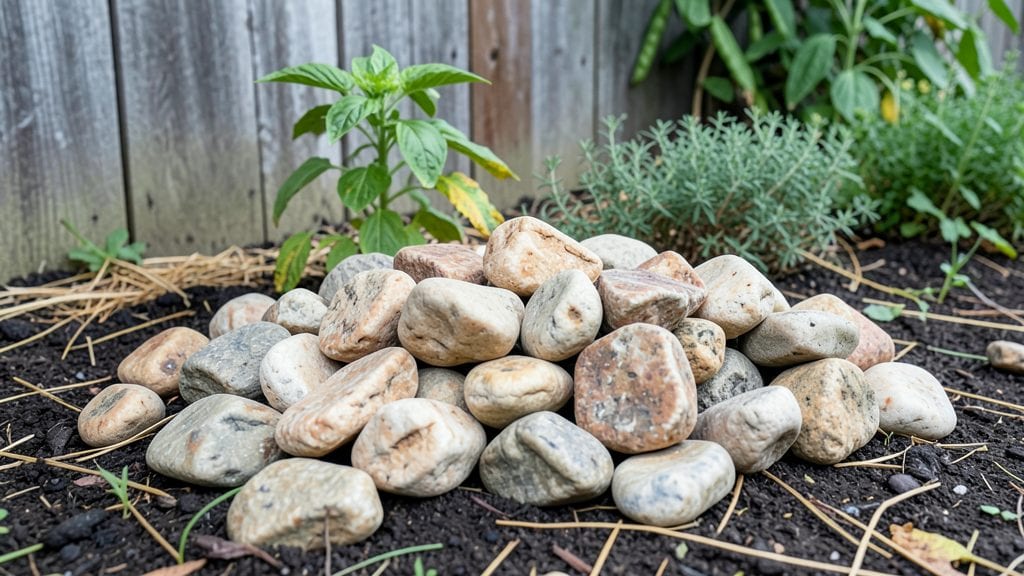
These Chinese garden rocks aren’t just decorative—they’re the soul of a tranquil outdoor space, guiding pathways with quiet elegance. 🌿 I remember the first time I arranged them in my Zen garden: the way they curved naturally along the stone path, inviting you to slow down.
These aren’t ordinary rocks; they carry centuries of symbolism, from balance and harmony to the flow of energy in nature.
The key to using them well is letting them do their thing—don’t overthink placement. Pair them with bamboo for movement, moss for softness, or a small water feature to amplify their meditative power.
You’ll need a mix of sizes: larger rocks to anchor the design, smaller ones to fill gaps, and a few flat stones for stepping paths. Most garden centers carry basic versions, but authentic ones come from specialty Asian markets or online stone dealers.
When arranged right, these rocks create a sense of journey without ever feeling forced. The path they define should feel like an extension of the landscape, not a boundary.
Start with a simple curve or straight line—whatever feels natural to you—and let the rocks guide your steps. The result? A space that feels alive, even when it’s still.
Works in any outdoor space, from tiny courtyard gardens to sprawling backyard retreats. The beauty is in the simplicity—no fancy tools, just intuition and a little patience. Here’s how to make them work for you.
📚 In This Guide
- What you need
- Instructions
- Tips and common mistakes
- Wrapping up and next steps
What you need
- ● Garden rocks: 20–50 lbs (depending on pathway size) of smooth, irregularly shaped rocks (1–3 inches in diameter). Opt for granite, slate, or river rocks for that classic Chinese garden vibe.
- ● Sand: 1–2 bags of coarse, sharp sand (50 lbs each) for drainage and leveling.
- ● Gravel: 1–2 bags of decorative gravel (e.g., pebbles or crushed stone) for base stability.
- ● Landscape fabric: 1 roll (4’ x 50’) to prevent weed growth.
- ○ Mulch (optional): 2–3 bags of cedar or pine mulch for a polished finish.
- ● Shovel: A sturdy landscape or digging shovel for excavating soil.
- ● Wheelbarrow: For hauling rocks, sand, and gravel.
- ● Rake: A bow rake for leveling sand and gravel.
- ● Level: A 24” bubble level to ensure even pathways.
- ● Measuring tape: 25’ tape for precise spacing.
- ● Gloves & knee pads: Protect your hands and knees—this project gets hands-on!
- ○ String & stakes (optional): To mark pathway edges before digging.
- ● A well-defined pathway layout (sketch it out or use string for guidelines!).
- ● Access to a water source (for rinsing rocks and wetting sand).
- ● Sunny or partly cloudy weather—avoid rainy days to prevent soggy soil.
Step-by-step guide to creating Chinese garden rock borders
Here's how to craft those signature winding pathways with natural flair—no heavy equipment needed.
🪴 Step 1: Plan Your Pathway Layout
Sketch your design on paper first. Chinese garden rock borders thrive with gentle curves rather than straight lines—think meandering streams or winding rivers. I like to use a garden hose to outline the path on the ground before marking with spray paint. This gives you a visual guide to follow while placing rocks.
Keep the width between 18-24 inches for comfortable walking. Narrower paths create intimate, whimsical spaces, while wider ones suit garden visitors. Mark the centerline of your path with a straightedge or string line for precision. This ensures your rocks stay balanced and the path remains symmetrical.
💧 Step 2: Prepare the Base Layer
Clear the area of grass, weeds, or debris. Use a shovel to dig down 4-6 inches along your marked path. This depth allows for a stable foundation and proper drainage. I like to add a 2-inch layer of coarse sand or small gravel at the bottom to prevent soil compaction and improve water flow.
For extra stability, especially in high-traffic areas, mix in 1 part Portland cement with 3 parts sand and spread it evenly. This creates a firm base that won’t shift over time. Compact the base with a tamper or by walking on it—you want it solid but not rock-hard.
🪴 Step 3: Select and Arrange the Rocks
Choose rocks with smooth, rounded edges for a natural, flowing look. Flat stones work best for edges, while larger, irregular rocks add character to the center. Start by placing the largest rocks along the outer edges of your path—these will anchor the design. I like to stagger them slightly so the edges feel organic rather than rigid.
Fill the center with smaller rocks, leaving gaps of about ½ inch between them. This allows for slight movement and prevents the path from feeling too rigid. For a whimsical touch, incorporate a few uniquely shaped rocks or even small decorative elements like moss or pebbles. Step back often to check the flow—your path should look like it belongs in a traditional Chinese garden.
✂️ Step 4: Secure and Refine the Design
Once the rocks are in place, press them gently into the base to ensure stability. For larger rocks, you might need to dig small trenches or use a mallet to settle them properly. Fill the gaps between rocks with smaller gravel or sand to create a cohesive look. This also helps prevent weeds from sprouting through.
Refine the edges by trimming any overhanging grass or weeds with a sharp spade or edging tool. A final sweep with a broom ensures everything looks neat and intentional. Water the area lightly to settle the rocks and base, then let it dry completely before walking on it. This ensures everything stays in place.
☀️ Step 5: Maintain for Long-Term Beauty
Check your rock path after heavy rain or seasonal shifts to ensure no rocks have moved. If gaps appear, top them off with additional gravel or sand. Weeds are the biggest enemy—pull them as soon as they appear, especially along the edges. A light mulch of small stones or gravel around the perimeter helps suppress weeds naturally.
Every few years, refresh the look by rearranging a few rocks or adding new ones to keep the design feeling fresh. Chinese garden rock borders are meant to evolve, so don’t be afraid to experiment with new textures or colors over time. With minimal upkeep, your pathway will remain a stunning, functional centerpiece for decades.
Tips & tricks for perfect Chinese garden rock borders
A few simple strategies that'll transform your rock borders from basic to breathtakingly natural.
Rock Selection Matters: Don't just grab any rocks from your yard! Look for stones with smooth, rounded edges that feel organic to the touch. Flat stones work best for edges where you want clean lines, while irregularly shaped rocks add character to the center. I like to collect rocks during walks or visit garden centers that specialize in natural stone. The key is variety—mix different sizes and colors for that authentic Chinese garden feel.
Base Stability is Everything: That 4-6 inch dig depth in Step 2 isn't just about looks—it's about longevity. I've seen paths shift after just one rainy season when the base wasn't deep enough. For extra stability in high-traffic areas, consider adding a thin layer of landscape fabric under your sand base to prevent weeds from creeping up later. This hidden step makes all the difference in how long your path stays beautiful.
Visual Flow Check: Before finalizing your arrangement, step back frequently and squint at your path. It should look like it belongs in a natural landscape, not a construction site. The edges should feel intentional but not rigid—think of them as the banks of a winding river. If you're unsure, take photos from different angles to check the overall harmony. This is where the magic of Chinese garden design happens!
Maintenance Shortcuts: The secret to low-maintenance paths is that ½ inch gap between rocks. This spacing prevents weeds from taking over while allowing water to drain properly. I keep a small bag of gravel on hand to quickly fill any gaps that appear after rain. For extra weed prevention, sprinkle a light layer of mulch made from small stones around the perimeter—it looks intentional and keeps weeds at bay naturally.
Pro Tips for Chinese Garden Rocks
- A few simple strategies that'll transform your rock borders from basic to breathtakingly natural.
- Rock Selection Matters: Don't just grab any rocks from your yard!
- Base Stability is Everything: That 4-6 inch dig depth in Step 2 isn't just about looks—it's about longevity.
Frequently asked questions
Got questions about Chinese garden rocks?
You’re not alone! Here are some of the most common queries—plus practical answers to help you create (or troubleshoot) your own stunning rock borders.
What’s the best type of rock for Chinese garden borders?
Chinese garden rocks traditionally use flat, layered stones like slate, flagstone, or river rocks. Avoid jagged or overly smooth rocks—they disrupt the natural, flowing aesthetic. Locally sourced stones (e.g., granite or limestone) work well too! For a whimsical touch, mix in painted rocks with Asian motifs.
How long does it take to install Chinese garden rocks?
Installation time varies by size: Small borders (10–20 ft) take 1–2 days, while larger pathways or multi-layered designs may need 3–5 days. Factor in prep work (clearing soil, leveling ground) and drying time for mortar or adhesive if securing larger stones. Pro tip: Plan your layout first—sketching helps avoid costly rework!
Are Chinese garden rocks expensive to install?
Costs depend on materials and labor:
- DIY: $5–$15 per sq. ft. (materials only).
- Professional install: $15–$30 per sq. ft. (includes labor and premium stones).
Save money by reusing existing rocks or sourcing them from local quarries. Painted or decorative rocks add $2–$5 extra each. Tip: Buy in bulk for discounts!
How do I prevent weeds from growing between Chinese garden rocks?
Weeds thrive in gaps! Use these tricks:
- Lay landscape fabric under rocks before installation.
- Apply a natural herbicide (like vinegar + salt) to exposed soil.
- Fill gaps with gravel or sand to block light.
For a low-maintenance fix, mulch nearby plants to choke out weeds naturally.
Can I use Chinese garden rocks for indoor decor?
Miniaturized versions work beautifully in Zen corners, terrariums, or bonsai displays. Use small pebbles, moss, and tiny stones to mimic outdoor borders. For indoor pathways, opt for lightweight slate tiles or painted ceramic rocks. Safety note: Secure loose stones to prevent slipping on hard floors.
Wrapping up and next steps
Chinese garden rocks aren’t just decorative—they’re a harmonious blend of art and function, transforming your space into a serene retreat. Whether you’re drawn to their natural beauty or their practicality in guiding pathways, these stones bring a touch of tranquility and tradition to any garden. 🌿✨
Ready to bring this timeless charm to your outdoor space? Start by sketching your design, gathering your materials, and taking it step by step. With patience and creativity, you’ll create a garden that feels like a peaceful escape—one rock at a time!