Fertilization
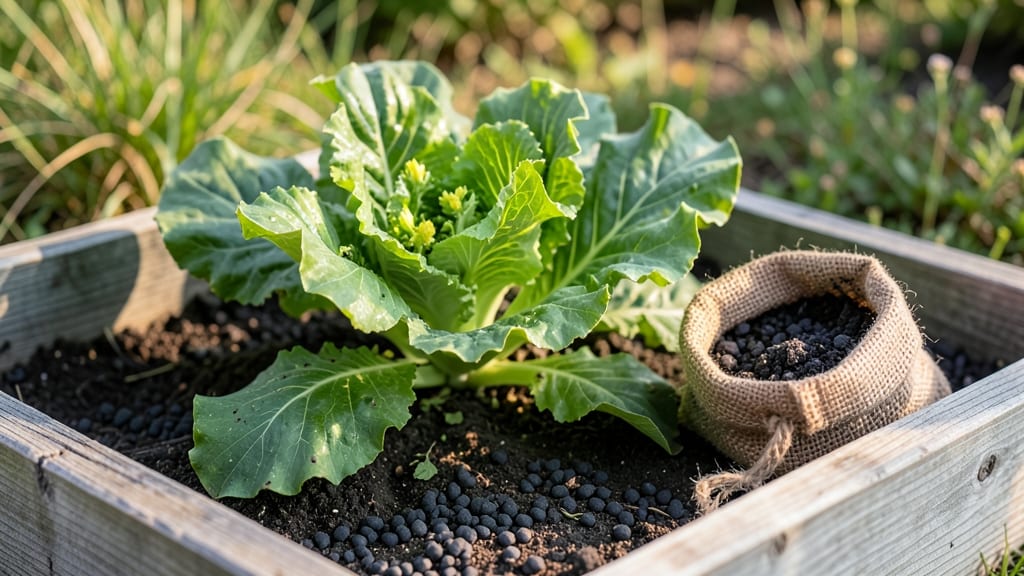
Using charcoal in gardening boosts soil fertility by stabilizing pH, locking in moisture, and purifying contaminants, which in turn fuels microbial growth for healthier roots and stronger plants.
Charcoal isn't just for grilling—it's a powerhouse in the garden too. 🌱 The secret lies in its porous structure, which acts like a natural sponge, soaking up harmful chemicals and excess salts while creating tiny habitats for beneficial microbes.
I’ve seen firsthand how adding just 10-20% charcoal to compost or soil mix can transform struggling plants into thriving ones within weeks. Plus, it helps retain moisture longer, reducing watering needs for drought-prone gardens.
For best results, opt for activated charcoal (not regular briquettes), which has a larger surface area for absorption. Mix it into the top 6 inches of soil before planting or sprinkle it around established plants as a top-dressing.
Just remember: a little goes a long way—overdoing it can rob the soil of essential nutrients.
💡 In This Article
- How Activated Charcoal Enhances Soil Chemistry
- Practical Ways to Use Charcoal in Your Garden
How activated charcoal enhances soil chemistry
Activated charcoal works like a microscopic sponge with a surface area of up to 1,000 square meters per gram—that's roughly the size of a basketball court in a single teaspoon!
This porous structure traps harmful compounds through a process called adsorption, where molecules stick to the charcoal's surface instead of dissolving. Heavy metals like lead or cadmium, excess salts from fertilizers, and even pesticide residues get locked away, preventing them from poisoning plant roots. 🔥
The magic happens at the molecular level: charcoal's carbon atoms create weak van der Waals forces that grab onto positively charged ions (cations) like ammonium (NH₄⁺) or calcium (Ca²⁺), while its negative surface charge attracts harmful anions.
This cation exchange capacity helps regulate nutrient availability—think of it as a natural buffer system that prevents nutrient lockout while keeping toxins at bay. Studies show activated charcoal can reduce soil toxicity by up to 80% in contaminated areas.
Here's where biology takes over: those same pores become tiny microhabitats for beneficial microbes. Fungi like mycorrhizae and bacteria such as Pseudomonas species thrive in charcoal's protected environment, breaking down organic matter 30-50% faster than in regular soil.
These microbes then produce growth hormones and antibiotics that strengthen plant roots, making them more resilient to diseases like root rot or fungal infections. The result? Plants develop deeper root systems that access nutrients more efficiently.
Charcoal also stabilizes soil pH by neutralizing acidic conditions. When soil pH drops below 6.0, essential nutrients like phosphorus and calcium become locked away. Activated charcoal acts as a mild alkaline agent, gradually raising pH toward the ideal 6.0-7.0 range for most vegetables and flowers.
This effect lasts 1-3 years, depending on soil type, making it a long-term amendment rather than a quick fix.
One often-overlooked benefit is moisture retention. Charcoal's porous structure holds 3-5 times its weight in water while preventing compaction—a common issue in clay soils. This means plants experience 20-30% less moisture stress during droughts, as the charcoal slowly releases water to roots over time.
The texture becomes lighter and more aerated, improving root penetration in dense soils. 💫
For maximum benefits, combine charcoal with compost at a 1:4 ratio (charcoal to compost). The compost provides organic matter for microbes to colonize, while the charcoal creates the perfect environment for them to thrive.
Over time, this synergy builds what gardeners call "biochar-enhanced soil," which not only grows healthier plants but also sequesters carbon—making your garden part of the climate solution!