
Advice
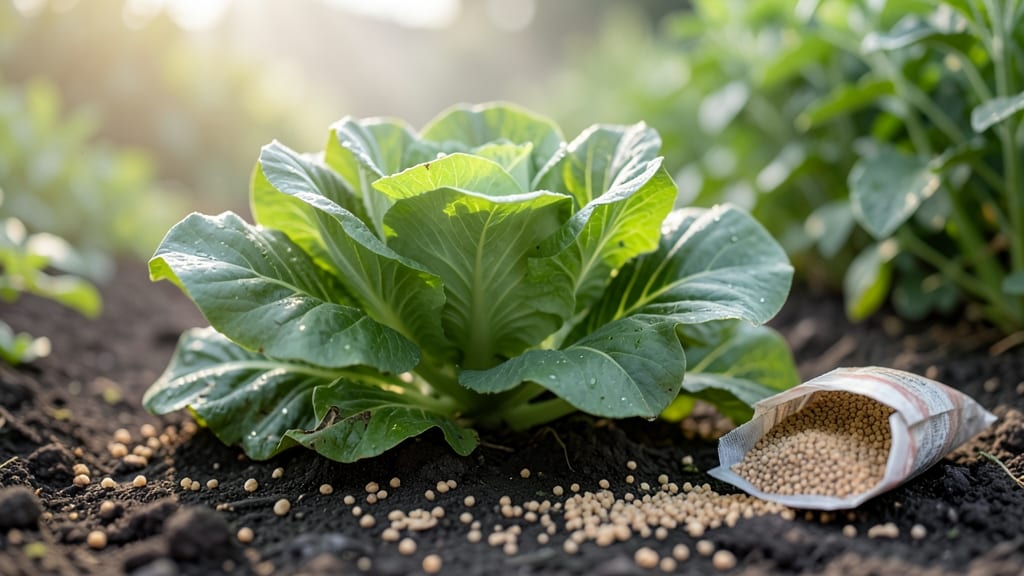
You can use Preen in a vegetable garden for most plants, but avoid applying it near root crops like carrots, potatoes, and onions. Follow label directions carefully and reapply after heavy watering or rainfall.
Preen works by blocking weed seeds from germinating, using natural ingredients like corn gluten meal and citric acid. 🌱 These components target weeds without harming most vegetables, though they can interfere with root development in sensitive crops.
The key is precision—apply only where weeds appear and keep it away from edible plant roots to prevent uptake of active ingredients.
For gardeners concerned about chemical exposure, organic alternatives like mulch or corn gluten meal offer similar weed suppression without the same restrictions. I’ve found that a thick layer of straw or wood chips around vegetable beds keeps weeds at bay while protecting root crops entirely.
Timing matters too—spring and fall applications give you the best control without disrupting plant growth.
💡 In This Article
- Preen’s Active Ingredients and Plant Safety
- Best Preen Alternatives for Edible Gardens
Preen’s active ingredients and plant safety
Preen’s primary active ingredients—corn gluten meal and citric acid—work through two distinct but complementary mechanisms. Corn gluten meal contains 12-14% protein by weight, which hydrolyzes into amino acids that disrupt weed seed germination by inhibiting root development.
Citric acid, meanwhile, creates an acidic environment (pH 3.0-3.5 when applied) that prevents weed seeds from sprouting while being too mild to harm established plants. The magic lies in their selectivity: weeds lack the protective root systems of mature vegetables to withstand these effects.
The real concern arises with root vegetables because their edible parts absorb water and nutrients directly from the soil. When Preen’s ingredients linger near carrots or potatoes, the citric acid can acidify the rhizosphere (the soil zone surrounding roots), potentially altering soil pH enough to stress these crops.
Studies show that soil pH below 5.5 can reduce root growth by up to 30% in sensitive varieties, which is why Preen’s label warns against use near these plants. 🌱 The granular formulation also creates a physical barrier that can impede water penetration to shallow roots.
For leafy greens and above-ground crops like tomatoes or peppers, the risks are minimal because their roots aren’t directly exposed to the treated soil layer. These plants benefit from Preen’s weed suppression without significant uptake of active ingredients.
The key is applying Preen only to bare soil—never directly on plant foliage—and maintaining a 2-inch buffer around vegetable plants. This distance prevents accidental contact while still allowing the product to target weeds effectively.
Seasonal timing amplifies safety. Spring applications work best because most weed seeds germinate then, while vegetable roots are still shallow. Summer heat can accelerate ingredient breakdown, requiring reapplication every 4-6 weeks during peak weed seasons.
The granular form also breaks down within 30-60 days, making it a temporary solution that won’t persist in the soil long-term.
What most gardeners overlook is how soil texture affects absorption. Sandy soils drain Preen’s ingredients faster, reducing risk to roots, while clay soils hold them longer—potentially increasing exposure to sensitive crops. A simple soil test can reveal your garden’s pH and texture, helping you adjust application rates.
For example, adding 1 cup of lime per 100 sq ft to acidic soils can neutralize any residual citric acid before planting root vegetables.
Here’s the bottom line: Preen’s safety hinges on understanding how its ingredients interact with both weeds and your plants. The corn gluten meal blocks weeds by starving their seeds, while citric acid creates an inhospitable environment—both without harming established vegetables when used correctly.
Root crops are the exception because their direct soil contact makes them vulnerable to these mechanisms. 💫