
Pests
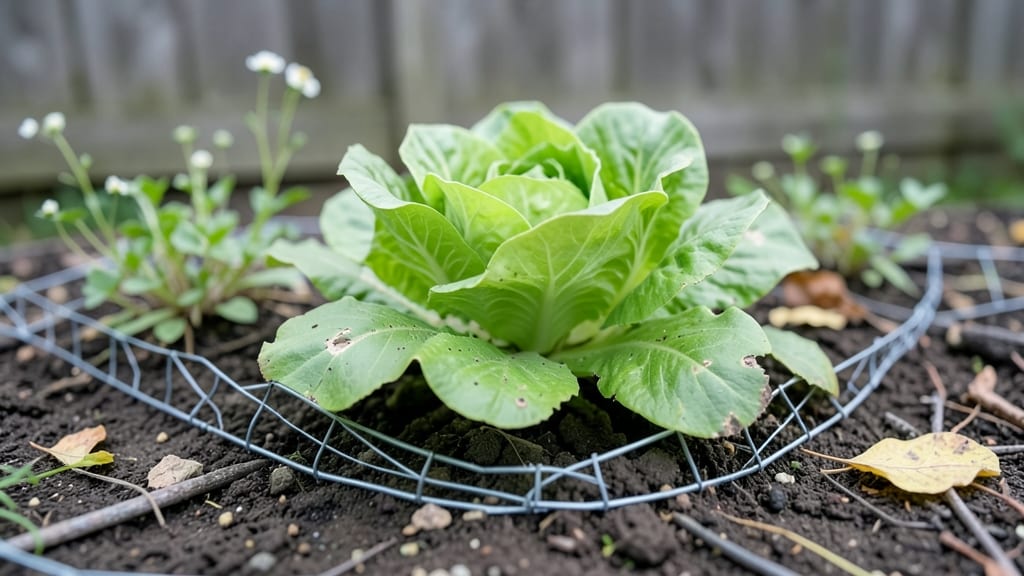
The best way to keep bunnies out of your garden starts with hardware cloth fencing (at least 2 feet high with a 12-inch outward flare) and protective netting over plants. Skip chicken wire—bunnies easily chew through it. Pair barriers with repellents like garlic spray or predator deterrents for long-term success.
The key to rabbit-proofing your garden lies in understanding their behavior. 🌿 Bunnies can jump 2 feet vertically and dig under flimsy barriers, so fencing must be buried 6 inches deep and angled outward.
Hardware cloth (1/2-inch mesh) is superior to wire mesh because it won't rust and bunnies can't gnaw through it. For delicate plants, lightweight netting creates a physical barrier without damaging stems.
While fencing handles the heavy lifting, repellents add an extra layer of protection. Commercial products like Liquid Fence contain capsaicin, which bunnies avoid, while DIY options like garlic spray (mixed with water and dish soap) work well but need reapplication after rain.
The most effective gardens combine both methods—physical barriers to block access and repellents to discourage lingering.
💡 In This Article
- How Rabbit-Proof Fencing Works Against Garden Invaders
- Natural and Commercial Rabbit Repellents for Gardens
How rabbit-proof fencing works against garden invaders
Rabbit-proof fencing succeeds by addressing two critical behaviors: vertical jumping and burrowing. Studies show domestic rabbits can leap 2 feet high and 3 feet horizontally in a single bound, which explains why standard fences fail.
The 12-inch outward flare creates an overhang that prevents them from climbing over the top, while the 6-inch underground barrier stops digging attempts. This design exploits their limited mobility compared to larger animals.
Material choice makes all the difference—hardware cloth (with 1/2-inch mesh) outperforms wire mesh because rabbits can't chew through it, unlike chicken wire (which has 1-inch gaps they'll exploit). The galvanized steel resists rust and lasts decades, while wire mesh often corrodes within 2-3 years.
For delicate plants, lightweight polypropylene netting (with 1/2-inch openings) creates a physical barrier without damaging stems.
What most gardeners miss is how rabbits use weak spots. They'll dig under fences at 45-degree angles to create tunnels, so burying the fence 6 inches deep forces them to work harder. The outward flare also prevents them from gaining purchase to jump up and over.
This engineering approach combines physical obstruction with behavioral deterrence—making it nearly impossible for them to access your plants.
Consider these key factors when installing:
- Height: 2 feet minimum (3 feet for determined bunnies)
- Angle: 30-degree outward slope prevents climbing
- Depth: 6-inch underground barrier stops digging
- Material: Hardware cloth (not chicken wire)
Rabbits have a 250-300 pound per square inch bite force, which is why they can chew through wood and thin metal. This explains why chicken wire fails—its 1-inch gaps let them slip through, while hardware cloth's tighter weave creates a true barrier.
The science here is simple: prevent access points and remove motivation through combined barriers and repellents.
For maximum effectiveness, install fencing before planting. Bunnies will dig near established plants to reach roots, so creating the barrier first forces them to work harder. Combine with repellents near fence edges to create a multi-layered defense system—this is how professional gardeners keep rabbits out long-term.