
Pests
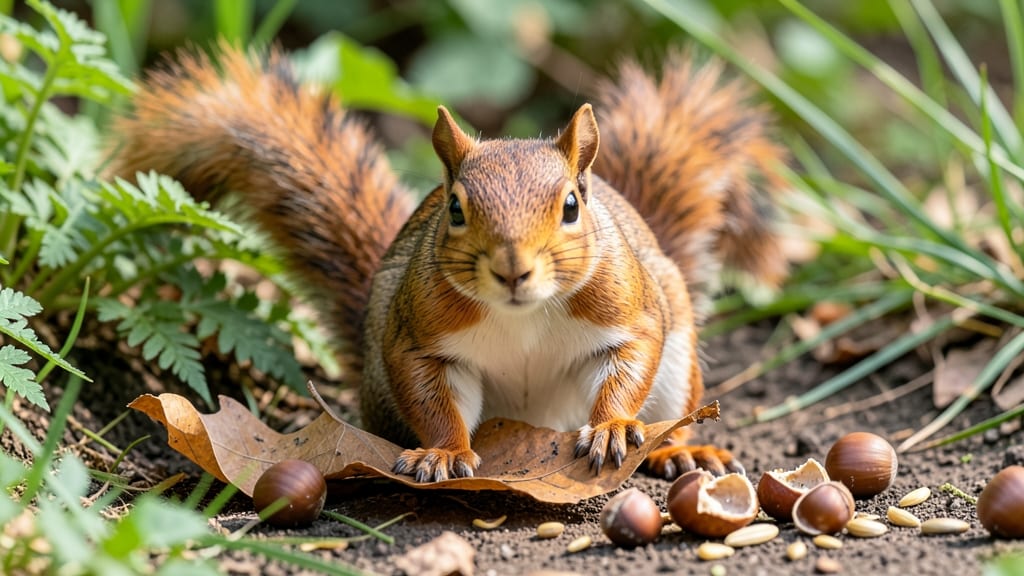
The best way to get rid of chipmunks in your garden is to try a mix of deterrents and prevention—here’s what’s worked for me after testing everything from sprays to barriers. 🌱 them off or relocate them gently.
The key is combining physical barriers with deterrents that make your garden less appealing than their natural habitat.
Most people reach for traps first, but that often leads to unintended harm. Instead, focus on one-way exclusion tunnels that let chipmunks leave but not return, paired with peppermint oil-soaked cotton balls placed near entry points.
Chipmunks hate the scent, and the tunnels give them an escape route without trapping them permanently. This method keeps your garden safe while giving wildlife a fair chance to move on.
Within a week, you’ll notice fewer tunnels and less damage as the chipmunks lose interest. The best part? You’re not harming them—just redirecting their behavior. Plus, your plants get a fighting chance to grow without becoming a buffet.
Ready to reclaim your garden without guilt? Let’s break down the step-by-step approach that actually stops them for good.
Works for both small backyard plots and larger gardens, and it’s easy to adapt if chipmunks return later in the season. The secret is consistency—keep reinforcing the deterrents, and you’ll see results faster than with harsh chemicals or cruel traps. Your garden (and the chipmunks) will thank you.
Why Chipmunks Invade Gardens
Chipmunks may seem like harmless, adorable scamperers, but when they take up residence in your garden, they can quickly become a nuisance. Understanding the root causes behind their unwelcome visits is the first step toward effective, humane removal.
Let’s break down why these striped rodents show up in your outdoor space—and what’s drawing them in.
Chipmunks are opportunistic foragers, and if your garden resembles an all-you-can-eat salad bar, they’ll stick around. These small mammals are granivores, meaning their diet consists primarily of seeds, nuts, fruits, and vegetables. A garden rich in these food sources becomes an irresistible buffet.
- Mature plants & seed heads: Chipmunks love digging into flower beds, vegetable patches, and even lawns to feast on seeds from plants like sunflowers, beans, and tomatoes. - Unsecured compost piles: A compost heap is like a five-star restaurant to a chipmunk—easy access to decomposing organic matter, which they’ll happily raid. - Birdseed & pet food: Leaving birdseed on feeders (especially on the ground) or pet food outdoors is like rolling out the red carpet for chipmunks.
They’ll devour it and return for more.
Pro Tip: 💡 Store seeds, compost, and pet food in metal or heavy-duty plastic containers with tight-fitting lids. If you must compost outdoors, use a wired bin to deter digging.
Chipmunks are solitary but territorial, and they need safe spaces to nest, especially during breeding season (spring and summer) and colder months. If your garden provides cozy hiding spots, they’ll move in permanently.
- Loose soil & mulch: Chipmunks are expert diggers—they’ll burrow under mulch, garden beds, or even shallowly buried objects (like pots or debris) to create nests.
- Gaps in foundations & sheds: If your shed, garage, or home has cracks in the foundation, chipmunks will squeeze through (they can fit through spaces as small as 1 inch wide).
- Thick vegetation & dense shrubs: Overgrown bushes or tall grass provide perfect cover for them to move undetected while foraging.
Pro Tip: 🌡️ Reduce hiding spots by trimming back dense shrubs, sealing gaps in structures with steel wool and caulk, and keeping mulch 3-4 inches away from the base of plants.
In urban and suburban areas, chipmunks often face fewer natural predators than in the wild. Without owls, foxes, or snakes to keep their populations in check, they reproduce rapidly and become more bold in their foraging.
- Suburban sprawl: As human development encroaches on wild habitats, chipmunks lose their fear of people and adapt to living near homes.
- Declining predator populations: Many natural predators (like hawks or coyotes) are also affected by habitat loss, giving chipmunks free rein to explore gardens.
- Year-round food availability: Unlike in the wild, where food sources fluctuate seasonally, gardens often provide consistent meals, encouraging chipmunks to stay put.
Pro Tip: ✨ If you want to discourage chipmunks naturally, consider attracting their predators by installing owl boxes or creating a small wildlife pond to lure in frogs and snakes.
Chipmunks are highly active during spring and fall, when food is abundant and they’re preparing for winter. Weather changes also play a role in their behavior.
- Warm, dry springs: Ideal conditions for chipmunks to dig and forage without competition from other animals.
- Mild winters: In regions with mild winters, chipmunks remain active year-round, leading to more frequent garden visits.
- Rain & soft soil: After rainfall, soil becomes easier to dig, making it prime time for them to create burrows and steal seeds.
Pro Tip: ⏰ Early spring and late summer are peak times for chipmunk activity—be extra vigilant during these periods and take preventive measures before they nest.
Humane Solutions for Chipmunk Control
Now that you understand why chipmunks are invading your garden, let’s tackle the practical, ethical, and effective ways to manage them without causing harm. The key is combining prevention, deterrence, and humane removal—all while keeping your yard safe for wildlife and your plants intact.
Chipmunks squeeze through tiny gaps, so seal entry points to discourage them from nesting or foraging.
- 🔥 Check Common Entry Zones
- Inspect foundations, sheds, and under decks for cracks wider than ½ inch (their size limit).
- Use steel wool + caulk or hardware cloth to block gaps—chipmunks can’t chew through metal.
- Pro Tip: 💡 Fill holes with expanding foam for a permanent seal.
- 🍳 Secure Food Sources
- Store compost, pet food, and birdseed in metal or thick plastic bins with tight-fitting lids.
- Avoid leaving fallen fruit or veggies lying around—clean up debris daily to remove temptation.
Chipmunks dislike strong smells and textures. Repel them without chemicals with these DIY tricks:
- 👨🍳 Spicy & Pungent Barriers
- Sprinkle cayenne pepper, garlic powder, or red pepper flakes near entry points (reapply after rain).
- Soak cotton balls in peppermint or eucalyptus oil and place them in problem areas.
- ✨ Bonus: Plant daffodils, marigolds, or alliums—their scent repels rodents naturally.
- 🥘 Physical Obstacles
- Lay landscape fabric or chicken wire over garden beds—chipmunks hate digging through it.
- Use motion-activated sprinklers (like ScareCrow) to startle them away without harm.
If prevention fails, live traps are the most ethical removal method. Follow these steps for success:
- 🔪 Choose the Right Trap
- Havahart or Tomahawk live traps work best—set them perpendicular to walls (not parallel).
- Bait with peanut butter, sunflower seeds, or apple slices (avoid meat—it attracts predators).
- ⏰ Set & Check Traps Properly
- Place traps near burrow entrances or active digging spots (check for fresh dirt piles).
- Never use glue traps or poison—they’re cruel and illegal in many areas.
- Release chipmunks at least 5 miles away in a wooded, rural area (check local laws first).
- 🌡️ Post-Relocation Care
- Provide water and seeds in the release zone to help them survive.
- Wait 24 hours before checking the trap again—chipmunks may return if stressed.
Once you’ve removed chipmunks, keep them from returning with these habits:
- 🎯 Maintain Your Yard
- Mow regularly—chipmunks prefer tall grass for cover.
- Remove brush piles and leaf litter (they love nesting in debris).
- Prune trees and shrubs to eliminate hiding spots.
- 🔥 Regular Inspections
- Check for new burrows every 2 weeks—early action prevents colonies.
- Listen for scratching sounds at dawn/dusk—this means they’re active nearby.
- 🌿 Eco-Friendly Alternatives
- Install birdhouses—natural predators like owls and hawks may deter chipmunks.
- Use ultrasonic repellents (though effectiveness varies—test first).
Final Note: Patience is key—chipmunks are persistent, but a combination of exclusion, deterrents, and humane removal will restore your garden’s peace. 🏡✨
Frequently asked questions
Why do chipmunks suddenly appear in my garden?
Chipmunks invade gardens primarily for food and shelter. They’re drawn to seeds, nuts, and vegetables—especially sunflowers, beans, and tomatoes. If your garden offers easy access to these, they’ll dig and forage constantly. They also nest in loose soil, mulch piles, or gaps in foundations, making your yard an ideal home.
Are peppermint oil repellents safe for plants?
Yes, peppermint oil is non-toxic to plants when used correctly. Dilute it with water (1:1 ratio) and apply to cotton balls near entry points. Reapply after rain or every few days. Avoid spraying directly on foliage, as concentrated oil can harm delicate plants. Always test a small area first.
How do I know if chipmunks are nesting in my yard?
Look for fresh dirt piles (like tiny volcanoes) or tunnels near foundations, garden beds, or mulch. You’ll also spot chewed seeds, scattered fruit, or small holes in the ground. Listen for scratching sounds at dawn/dusk—this confirms active burrows. Check these spots in early spring or late summer when nesting peaks.
Can I relocate chipmunks myself, or should I call a professional?
You can safely relocate chipmunks with live traps, but follow these steps: Use Havahart traps baited with seeds, release them at least 5 miles away in wooded areas, and provide water/seeds at the release site. For large colonies (10+ animals), consider a professional wildlife removal service—they handle permits and humane relocation legally.