
Tools
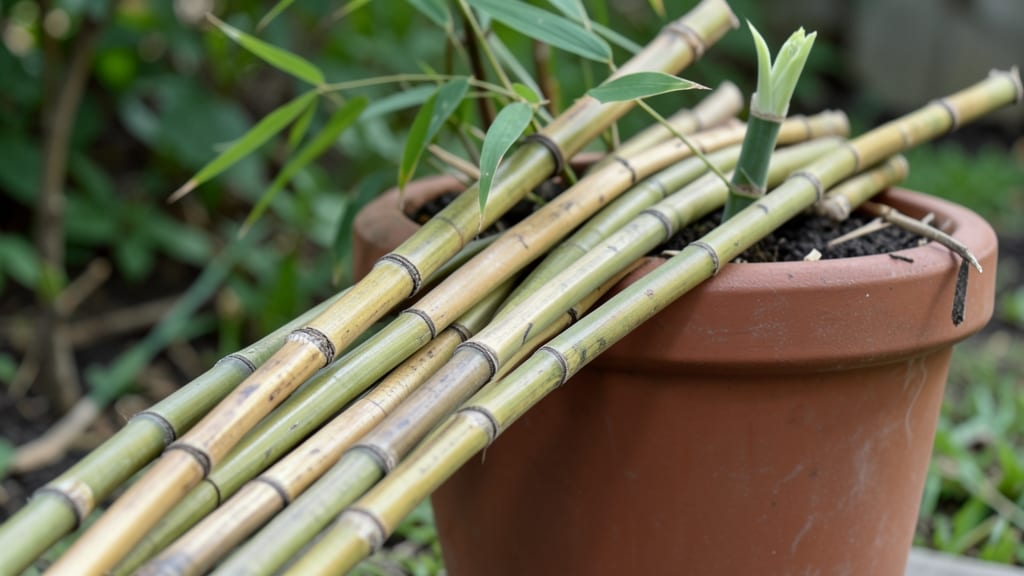
The bamboo garden trellises I installed last spring transformed my backyard from a flat, boring space into a lush green retreat within months. ✨ The way they swayed in the breeze while supporting climbing roses felt like magic—suddenly, my small patio had height, texture, and privacy without one fence post.
What started as a functional solution became the centerpiece of my garden design.
Bamboo's natural strength makes it perfect for supporting vines like jasmine, clematis, or even heavy grapes—it won't sag or snap like cheaper materials. Plus, the warm golden tones blend seamlessly with any garden style, from Zen-inspired spaces to modern minimalist layouts.
You'll need basic tools (a drill, screws, and maybe a level) and a sunny spot to anchor them securely.
Imagine waking up to morning sunlight filtering through fresh green leaves while your trellis frames the view—it creates instant vertical drama. The best part? As your plants grow, so does your privacy screen, creating a living barrier that evolves with your garden.
We'll cover how to pair trellises with specific plants and avoid common installation pitfalls.
Whether you're framing a doorway, creating a cozy seating nook, or just adding height to a flat wall, bamboo trellises adapt effortlessly. The key is matching the plant's growth habit to the trellis design—fast climbers need sturdy grids, while delicate vines thrive on open weaves.
Let's get your space growing upward!
📚 In This Guide
- What you need
- Instructions
- Tips and common mistakes
- Wrapping up and next steps
What you need
- ● Bamboo poles: 8–12 poles (1–2 inches in diameter, 6–10 feet long, depending on height needs). Opt for hardwood bamboo (like Phyllostachys) for durability.
- ● Post caps or metal sleeves: 4–6 (to protect bamboo ends from moisture and pests).
- ● Concrete or gravel: 20–30 lbs (for anchoring base poles).
- ● Galvanized screws or lag bolts: 12–16 (3–4 inches long) for securing joints.
- ● Heavy-duty zip ties or wire: 10–15 (for temporary or flexible connections).
- ○ Trellis netting or lattice panels: 1–2 (optional but recommended for climbing plants).
- ● Measuring tape (25-foot tape for accuracy).
- ● Speed square or level (to ensure straight, even angles).
- ● Drill/driver (with screw bit attachment).
- ● Hacksaw or handsaw (for trimming bamboo to size).
- ● Post hole digger or auger (for anchoring base poles).
- ● Pliers or wire cutters (for zip ties or lattice adjustments).
- ● Safety gloves and goggles (because DIY safety first! 🛡️).
- ● Decorative bamboo ties: For a polished, natural look.
- ● Waterproof sealant: To extend bamboo life (apply sparingly!).
- ● Plant supports: Twine or soft ties for guiding vines.
- ● Solar-powered lights: For a magical evening glow! 🌙
How to build sturdy bamboo garden trellises
Here’s the simple, sturdy method I use to create trellises that support climbing plants while blending seamlessly into any garden.
🪴 Step 1: Gather and Prep Your Bamboo Poles
Start by selecting 4-6 bamboo poles that are at least 6 feet long and 1-2 inches in diameter—thicker poles handle weight better. Look for straight, unblemished sections; knots or splits weaken the structure. If your bamboo has sharp edges, sand them lightly with 120-grit sandpaper to prevent scratching plants or skin.
Cut the poles to your desired height using a handsaw or pruning shears. For a 6-foot trellis, aim for 5-foot poles (accounting for ground penetration). I like to mark the cut line with a pencil first—this prevents uneven slices and keeps the trellis looking clean.
☀️ Step 2: Assemble the Frame for Stability
Dig two holes, each 12 inches deep and 6 inches wide, spaced 4 feet apart. Place one pole upright in each hole, then lean a third pole diagonally between them to create an A-frame shape. This triangular design prevents wobbling when plants climb. Secure the poles temporarily with zip ties or twine at the top where they meet.
For extra reinforcement, tie a 4th pole horizontally about 18 inches from the ground using jute twine. This creates a lower support for vines that need stability early on. Double-check that the frame feels solid—if it sways, adjust the angles or add a fifth pole for support.
🌿 Step 3: Weave or Tie the Trellis Lattice
Take your remaining poles and cut them into 12-inch lengths. Space these vertically along the frame, starting 6 inches apart at the base and gradually tightening the gaps as you go up—3 inches apart near the top. Secure each piece with twine or zip ties at the intersection points, ensuring they’re snug but not crushing the bamboo.
For a more rustic look, skip the ties and weave the vertical poles through the frame like a ladder. This method works best with flexible bamboo and adds texture. Test the trellis by gently pushing on the lattice—it should hold firm without bending.
💧 Step 4: Anchor and Finish for Longevity
Fill the holes with soil, pressing firmly around each pole to eliminate air pockets. Add a handful of gravel at the base to improve drainage and prevent rot. For windy areas, drive a stake into the ground beside each pole and tie them together with heavy-duty twine for extra stability.
Leave the trellis uncovered to let plants climb naturally, or paint it with non-toxic outdoor sealant if you’re in a humid climate. Sealant extends the life of the bamboo but isn’t required for most gardens. Water nearby plants deeply to encourage vigorous growth—your trellis is now ready to support climbing roses, beans, or even morning glories.
Tips & tricks for perfect bamboo garden trellises
Building a sturdy bamboo trellis is all about smart prep and smart assembly—here's how to avoid common pitfalls and create a structure that lasts.
Selection Tip: The quality of your bamboo makes all the difference. Look for poles that are straight and free of large knots or splits—they're structural weak points. I always test flexibility by bending a pole slightly; if it cracks, choose a different one. For heavier vines like roses, opt for the thicker end of the 1-2 inch range. Remember, the trellis needs to support both the weight of the plant AND potential wind loads.
Cutting Strategy: When marking your 5-foot cut lines for a 6-foot trellis, use a level to ensure they're perfectly straight across all poles. This prevents uneven heights that can cause wobbling. Pro tip: Cut all your poles at once while they're still in bundles—this keeps them stable and makes the process faster. For extra precision, use a carpenter's square to verify your angles before making any cuts.
Stability Secret: The triangular A-frame design in Step 2 is your best friend against wind—it's the same principle used in sturdy bridges and buildings. When securing your diagonal pole, make sure it's snug but not over-tightened; bamboo can split if you're too aggressive with the zip ties. For added peace of mind, I like to bury the diagonal pole about 6 inches deep at each end, creating a more stable base. This extra effort prevents the classic "leaning trellis" look.
Longevity Move: That handful of gravel at the base isn't just for drainage—it creates a barrier between the bamboo and moist soil, which can cause rot over time. In humid climates, I recommend applying a thin coat of non-toxic sealant to all bamboo surfaces that will be exposed to moisture. Reapply every 1-2 years for continued protection. For windy areas, consider adding a fifth vertical pole between your two main posts to create a more rigid structure.
Pro Tips for Bamboo Garden Trellises
- Building a sturdy bamboo trellis is all about smart prep and smart assembly—here's how to avoid common pitfalls and create a structure that lasts.
- Selection Tip: The quality of your bamboo makes all the difference.
- Cutting Strategy: When marking your 5-foot cut lines for a 6-foot trellis, use a level to ensure they're perfectly straight across all poles.
Frequently asked questions
Got questions about bamboo garden trellises?
Here are answers to the most common ones to help you plan your vertical garden like a pro!
How long does it take for bamboo to grow tall enough to provide privacy?
A fast-growing bamboo like Phyllostachys can reach 1–3 feet per year, depending on species and care. For quick privacy (6–10 feet), expect 2–5 years. Dwarf varieties grow slower but still offer height benefits in 1–2 years. Patience pays off—your trellis will mature beautifully over time!
Can bamboo trellises support heavy plants like vines or fruit?
Yes! Bamboo is naturally strong and flexible, but choose clumping bamboo (not running) for stability. For heavy loads (e.g., grapes or wisteria), opt for thicker stalks (1–2 inches in diameter) or reinforce with metal brackets. Always secure plants with soft ties to avoid damaging the bamboo.
Are there alternatives to bamboo trellises for vertical gardens?
Consider:
- Metal or PVC trellises: Durable, rust-resistant, and customizable (great for modern gardens).
- Wooden lattice panels: Classic and sturdy, but may require sealing to prevent rot.
- Wrought iron or black steel: Elegant and long-lasting, ideal for formal gardens.
- Recycled plastic: Lightweight, eco-friendly, and resistant to pests.
How do I prevent bamboo from spreading uncontrollably in my yard?
Use clumping bamboo varieties (like Bambusa multiplex) instead of running bamboo. Install a root barrier (HDPE plastic, 30+ inches deep) to contain rhizomes. Trim aggressive shoots regularly and keep the base mulched to discourage spread. Pro tip: Plant in containers if space is limited!
What’s the best way to clean or maintain a bamboo trellis?
Keep your trellis fresh with these tips:
- Rinse with water to remove dust or sap buildup.
- Wipe down with a vinegar-water mix (1:3 ratio) to prevent mold.
- Prune dead or weak stalks in late winter to encourage new growth.
- Avoid pressure washers—they can damage the bamboo’s natural texture.
Wrapping up and next steps
Transforming your garden with bamboo garden trellises isn’t just about adding style—it’s a sustainable, low-maintenance way to create vertical privacy that evolves with your plants. 🌿 Whether you’re framing a cozy seating area, guiding climbing vines, or simply adding texture to your outdoor space, bamboo’s natural beauty and durability make it a winner.
Ready to elevate your garden? Grab your materials, follow the steps, and let your green sanctuary grow—one trellis at a time!
Next step: Sketch your design, gather supplies, and start building your dream trellis today!