
Advice
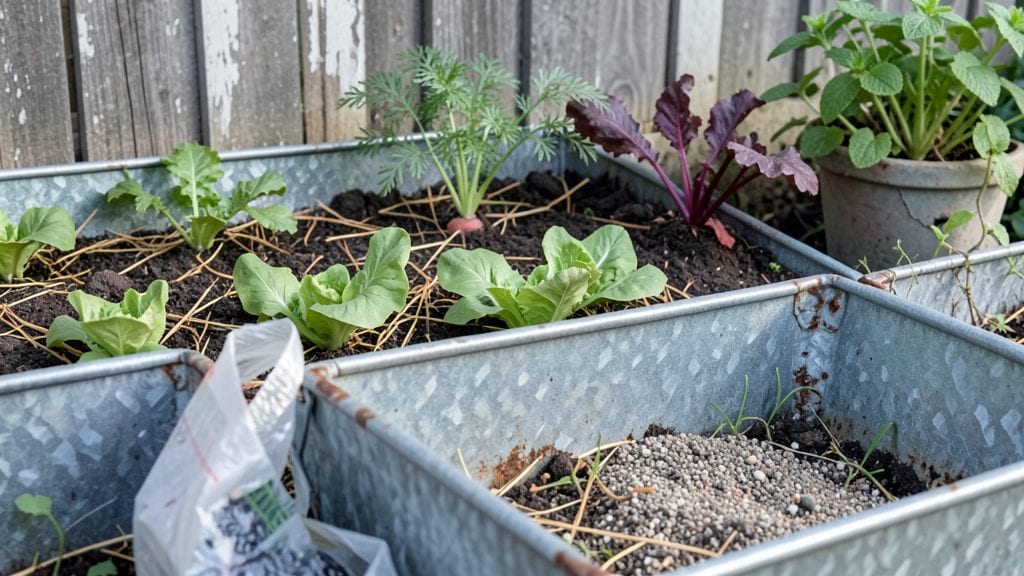
Galvanized steel releases zinc over time, particularly in acidic soils, which can build up to harmful levels. 🌱 While ornamental plants may handle occasional exposure, edible crops like leafy greens and carrots absorb zinc through their roots, potentially leading to health risks if consumed regularly.
The issue worsens in low-pH soils, where corrosion accelerates—so testing your soil's acidity before planting is a smart first step.
If you're committed to using galvanized beds, line them with heavy-duty plastic or fabric to create a barrier between metal and soil. This simple fix blocks zinc transfer while preserving the beds' durability. For high-value crops, consider switching to cedar or redwood entirely—they're naturally rot-resistant and zinc-free.
💡 In This Article
- How Zinc Leaching Affects Soil and Plant Health
- Best Alternatives to Galvanized Beds for Edible Gardens
How zinc leaching affects soil and plant health
Galvanized steel beds use a zinc coating to prevent rust, but this protective layer gradually corrodes when exposed to moisture and soil acids.
The chemical process begins with zinc atoms on the metal surface reacting with water and carbon dioxide to form zinc hydroxide, which then converts to zinc oxide—a white, powdery residue you may notice on older beds. In acidic soils (pH < 6.5), this corrosion accelerates dramatically, dissolving zinc ions at rates exceeding 0.1 mg per square foot per year in extreme cases.
The real danger lies in how plants absorb these dissolved zinc ions. Leafy greens like lettuce and spinach uptake zinc through their foliage from airborne particles, while root vegetables such as carrots and potatoes absorb it directly through soil contact.
Studies show that zinc concentrations above 400 parts per million (ppm) in soil can cause phytotoxicity—visible as yellowing leaves, stunted growth, or bitter flavors in edible crops. The threshold for human toxicity is even lower: consuming plants with 150 ppm zinc regularly may lead to nausea or metallic taste.
Soil pH acts as a critical control valve for zinc mobility. Below pH 6.0, zinc becomes far more soluble, increasing plant uptake by 3-5 times compared to neutral soils (pH 7.0). This is why acidic soils—common in regions with high rainfall or organic matter—pose greater risks.
Over time, zinc buildup can also disrupt beneficial soil microbes, reducing nitrogen fixation and organic matter decomposition rates by up to 20% in severely affected areas.
Not all plants react the same way. Ornamental flowers like marigolds or herbs such as thyme often tolerate higher zinc levels because they're not consumed regularly. However, even these may show stress symptoms like chlorosis (yellowing between leaf veins) when soil zinc exceeds 800 ppm.
The key factor is plant type: crops with high biomass (like tomatoes) accumulate more zinc than low-biomass plants (like basil), making them higher-risk candidates for toxicity.
Long-term exposure turns soil into a slow-release zinc reservoir. Each year of use without intervention can add 5-10 ppm of zinc to the top 6 inches of soil. While this may seem minor, it compounds over decades—turning what was once a safe growing environment into one requiring remediation.
Soil testing kits (costing $20-$50) can measure zinc levels, but visual signs like white rust deposits on metal edges often indicate active corrosion before toxicity becomes apparent.
What most gardeners overlook is how zinc interacts with other nutrients. Excess zinc reduces iron and manganese availability, causing deficiency symptoms that mimic zinc toxicity—making diagnosis tricky. For example, zinc levels of 200 ppm might stunt growth while simultaneously inducing iron chlorosis in the same plant.
This nutrient imbalance is why some gardeners report "mysterious" plant failures near galvanized beds.
The bottom line? Zinc leaching isn't an immediate crisis, but it's a ticking time bomb in acidic soils. Monitoring soil pH annually and testing zinc levels every 2-3 years is the safest approach—especially when growing edibles.
For ornamental gardens, the risks are lower, but even there, prolonged use can degrade soil quality over time. 💫