
Tools
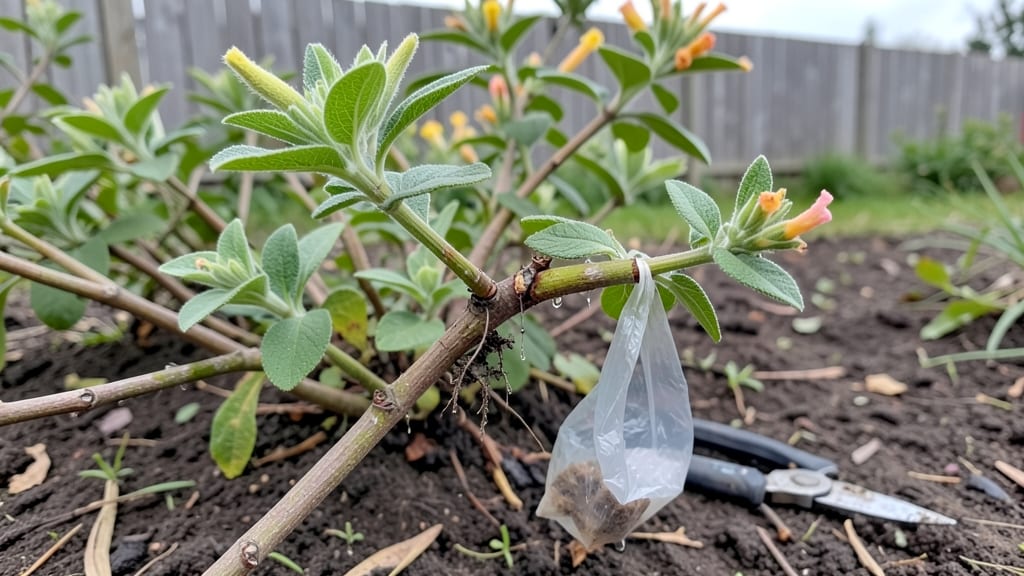
Willy nilly gardening isn’t gardening—it’s letting the land grow wild on its own terms. ✨ I stumbled onto this approach after watching a patch of forgotten soil erupt into a riot of black-eyed Susans and goldenrod, and now I’m hooked on the magic of unplanned beauty.
The philosophy flips traditional gardening: no rigid rows, no meticulous spacing, just a wild embrace of what wants to thrive.
You don’t need fancy tools or a master plan—just a patch of ground, some native seeds, and a willingness to let nature take the lead. Think clumps of coneflowers mingling with wild bergamot, their colors shifting with the seasons without a single instruction from you.
The key is starting with hardy perennials that self-seed and spread, like milkweed or butterfly weed, which attract pollinators while demanding almost no effort.
What you’ll end up with is a garden that feels alive and ever-changing, where every visit reveals something new. The air hums with bees, the colors shift with the weather, and the only maintenance is an occasional weeding session that’s more about enjoying the process than perfecting it.
It’s gardening for people who’d rather spend their time watching fireflies than counting rows.
Perfect for small backyards, neglected corners, or even container gardens—this style thrives anywhere you’re willing to let go of control. The best part? You’ll spend less time fussing and more time marveling at what grows. Let’s make some space for the wild.
📚 In This Guide
- What you need
- Instructions
- Tips and common mistakes
- Wrapping up and next steps
What you need
- ● Wildflower seeds: Choose a native wildflower seed mix (1-2 lbs per 100 sq. ft.). Look for low-maintenance blends like clover, black-eyed Susans, or coneflowers.
- ● Soil: Loose, well-draining topsoil (1-2 inches deep) or compost-amended soil for nutrient boost.
- ● Water source: Hose with a spray nozzle or a watering can (for initial watering).
- ● Mulch or straw: Lightweight mulch (1 inch thick) to retain moisture and suppress weeds.
- ● Garden rake: A sturdy, medium-sized rake (8-12 inches wide) to loosen soil.
- ○ Garden hoe or broadfork: For breaking up compacted soil (optional but helpful for larger areas).
- ● Seed spreader: For even distribution (especially useful for larger plots).
- ● Garden gloves: To protect your hands from prickly plants or rough soil.
- ● String and stakes: To mark planting areas if you’re working with irregular shapes.
- ● Weed barrier cloth: For suppressing weeds in the first few months (if desired).
- ● Pruners or shears: For trimming back spent blooms later in the season.
Instructions for creating a low-maintenance wildflower meadow
Skip the rigid rows and meticulous planning—this approach lets nature take the lead.
🌱 Step 1: Clear and Prepare the Site
Start by removing existing vegetation in your chosen area, which should be at least 4 feet by 4 feet for a balanced meadow effect. I like to use a sod cutter or sharp spade to lift grass and weeds, then rake the soil until it’s smooth but not compacted. The goal is a clean slate where wildflowers can establish without competition.
If your soil is heavy clay or very sandy, mix in 1-2 inches of compost to improve drainage and fertility. Wildflowers thrive in lean soil, so resist the urge to add too much fertilizer—this encourages aggressive grasses over delicate blooms. Mark the boundaries with landscape fabric if you’re worried about encroaching weeds, but leave edges slightly frayed to allow beneficial insects to move in.
☀️ Step 2: Choose and Scatter Wildflower Seeds
Select a native wildflower seed mix designed for your region—this ensures hardiness and attracts local pollinators. Scatter seeds by hand in early spring or fall, when soil temperatures are cool but not frozen. I aim for a density of about 1/4 pound per 100 square feet, spreading them evenly but not pressing them into the soil.
Lightly rake the seeds into the top 1/8 inch of soil to ensure good seed-to-soil contact without burying them too deeply. Water gently with a sprinkler set to a fine mist—this keeps seeds in place while providing just enough moisture to kickstart germination. Avoid heavy watering, which can wash seeds away or create mud.
💧 Step 3: Water and Monitor Early Growth
Keep the soil consistently moist for the first 4-6 weeks, but avoid soggy conditions. You’ll see the first green shoots emerge in 2-4 weeks, depending on the mix and weather. Once seedlings are about 2 inches tall, reduce watering to encourage deep root growth—wildflowers are tough once established but need consistent moisture to get started.
Resist the temptation to thin seedlings. Unlike vegetable gardens, wildflower meadows thrive on density, as the plants support each other against drought and pests. If weeds pop up, pull them by hand when they’re small—large weeds can choke out the delicate wildflowers.
✂️ Step 4: Maintain with Minimal Intervention
After the first year, your meadow will need very little care. In late summer or early fall, cut back the dead growth with a string trimmer or scythe, leaving stems about 4-6 inches tall. This prevents weeds from dominating and provides shelter for overwintering pollinators. I like to do this in late September, just before the first frost.
Mulch lightly with straw or leaves in winter to protect young plants, but avoid heavy mulch that can smother seeds. By the second year, your meadow should be self-sustaining, with wildflowers returning year after year with minimal effort. The key is patience—full bloom often takes 2-3 years, but the payoff is worth it.
Tips & tricks for perfect wildflower meadows
Creating a thriving wildflower meadow doesn't require a botanist's precision—just these key insights to help nature do the heavy lifting for you.
Site Selection Wisdom: Choose areas with at least 6 hours of sunlight daily, as wildflowers need full sun to bloom their best. I've found that slightly sloped areas prevent water pooling, which can drown delicate seedlings. Avoid low-lying spots where frost lingers—these chill-sensitive blooms need to warm up properly in spring.
Seed Scattering Strategy: When scattering your 1/4 pound per 100 square feet of seeds, work in overlapping passes to ensure even distribution. I like to use a simple grid method: walk in one direction scattering seeds, then turn 90 degrees and repeat. This prevents thick clumps that can lead to overcrowding. Remember, these seeds are tiny—think dusting rather than sowing.
Watering Technique: The first 4-6 weeks are critical for moisture control. Use a gentle sprinkler set to a fine mist, watering in the early morning so leaves have time to dry before evening. I've learned the hard way that afternoon watering can lead to fungal issues. Aim for about 1 inch of water per week during this establishment period, but always check soil moisture—wildflowers hate soggy feet.
Weed Prevention: Don't wait until weeds appear to act—prevention is key. After scattering seeds, I cover the area with a thin layer of straw (about 1/4 inch thick) to suppress weeds without smothering the seeds. This creates a mini greenhouse effect that helps retain moisture while keeping unwanted plants at bay. Remove any weeds that do pop up by hand when they're still small, before they can compete for resources.
Pro Tips for Willy Nilly Gardening
- Creating a thriving wildflower meadow doesn't require a botanist's precision—just these key insights to help nature do the heavy lifting for you.
- Site Selection Wisdom: Choose areas with at least 6 hours of sunlight daily, as wildflowers need full sun to bloom their best.
- Seed Scattering Strategy: When scattering your 1/4 pound per 100 square feet of seeds, work in overlapping passes to ensure even distribution.
Frequently asked questions
Got questions about willy-nilly gardening?
Here are some of the most common ones—and how to tackle them with ease!
What’s the best time of year to start a wildflower meadow?
For most climates, late summer to early fall (August–September) is ideal—seeds germinate in cool weather and establish roots before winter. In warmer regions, spring planting works too, but avoid extreme heat or frost. Pro tip: Check seed packets for localized timing—some wildflowers thrive with a winter chill!
How much water do wildflowers really need once established?
Once your meadow is fully grown (year 2+), wildflowers are drought-tolerant! Water deeply once a week during the first growing season to help roots establish. After that, Mother Nature usually does the work—rainfall is enough unless you’re in a severe drought. Overwatering can drown seeds, so let soil dry between waterings.
Do I need to mow my wildflower meadow? If so, when?
Yes! Mowing once a year (late summer/early fall) prevents weeds and encourages perennial blooms. Use a high mower setting (4–6 inches) to avoid scalping plants. Skip mowing the first year—let seeds set naturally. Never mow when flowers are in peak bloom (spring/summer) to protect pollinators!
Will my wildflower meadow attract pests like ticks or mosquitoes?
Not necessarily! Wildflowers support pollinators (bees, butterflies) but don’t create standing water like traditional lawns. To minimize pests:
- Choose native, low-humidity wildflowers (e.g., black-eyed Susans, coneflowers).
- Avoid overwatering—mosquitoes love stagnant water.
- Mow regularly to reduce hiding spots for ticks.
Most “pests” here are helpful—like ladybugs eating aphids!
Can I still grow vegetables or herbs alongside wildflowers?
Willy-nilly gardening thrives with companion planting. Try:
Wildflowers
Great Pairings
Borage
Tomatoes, squash (repels pests)
Calendula
Herbs (marigolds deter nematodes)
Clover
td>Peas, carrots (fixes nitrogen)
Pro tip: Keep veggies in small, contained beds—wildflowers spread freely and may overtake crops if unchecked!
Wrapping up and next steps
Willy Nilly Gardening isn’t just about letting nature take the lead—it’s about embracing the joy of unplanned beauty while making gardening effortless and rewarding. Whether you’re a busy parent, a beginner, or someone who just loves low-maintenance spaces, wildflower meadows prove that great gardens don’t require rigid rules.
Start small, experiment fearlessly, and watch your outdoor space transform into a vibrant, thriving haven—no green thumb required!
Ready to dive in? Grab your seeds, pick a sunny spot, and let the adventure begin! 🌱 Your first patch could be blooming in just a few weeks—why wait?