
Pests
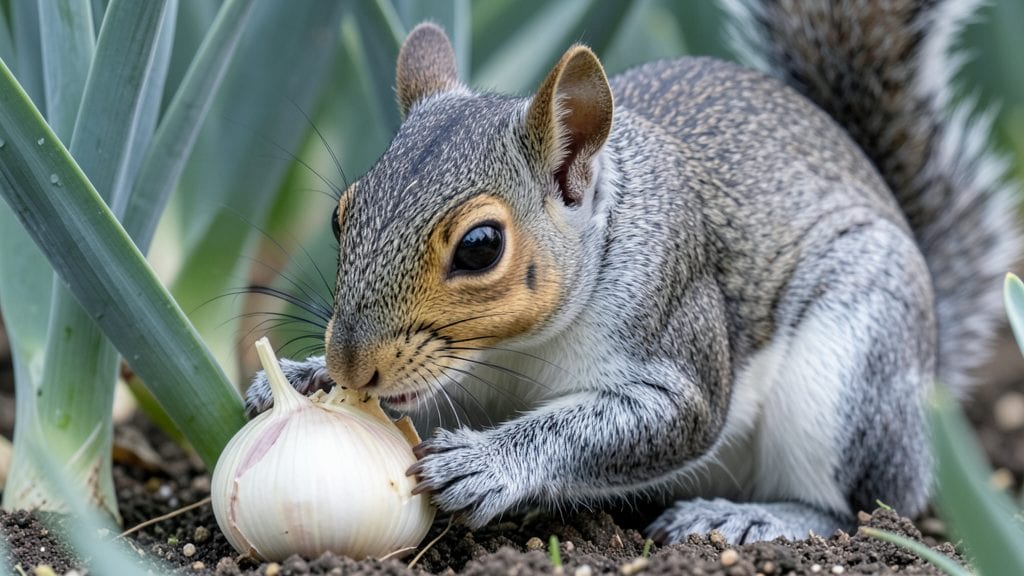
Squirrels have a natural aversion to plants that contain bitter compounds, toxic alkaloids, or pungent aromas. 🌿 For example, daffodils produce lycorine—a chemical that makes them unpalatable—while lavender’s strong fragrance masks the scent of other plants squirrels might target.
I’ve found that even just a few of these deterrents strategically placed around your garden can create a protective barrier. The key is combining scent-based repellents with plants that have physical defenses, like thorny shrubs or prickly foliage.
Native plants often work best because squirrels are less familiar with their unique flavors and textures. 🌱 For instance, while they might ignore snapdragons in one region, they could still nibble on them elsewhere.
Always check which species thrive in your local climate and soil conditions—this ensures your garden stays both squirrel-proof and visually appealing.
💡 In This Article
- Why Squirrels Avoid Certain Garden Plants
- Top 10 Squirrel-Resistant Plants for Gardens
Why squirrels avoid certain garden plants
Squirrels rely on their keen sense of smell and taste to identify food, but many garden plants trigger an instinctive avoidance response. 🌿 The primary deterrents are chemical compounds like alkaloids, glycosides, and essential oils that create bitter, toxic, or overpowering aromas.
For instance, daffodils contain lycorine—a potent neurotoxin that makes them unpalatable and potentially harmful if ingested. Similarly, alliums (like onions and garlic) release sulfur compounds that squirrels find repulsive, even in small amounts.
Strong fragrances play a crucial role too. Plants like lavender, rosemary, and mint produce volatile oils that mask the scent of nearby edible plants, confusing squirrels' foraging instincts. 🌱 These oils aren't just pleasant to humans—they create an olfactory barrier that squirrels actively avoid.
Research shows that squirrels can detect these scents from up to 30 feet away, making them effective deterrents even when planted in clusters rather than solid hedges.
The texture and physical structure of some plants also deter squirrels.
Thorny shrubs like barberry or holly create physical barriers that discourage nibbling, while fuzzy or waxy leaves (common in plants like lamb's ear) feel unappealing to their sensitive paws. 🦝 This tactile feedback reinforces their avoidance behavior, especially when combined with chemical deterrents.
For example, boxwood's dense, leathery leaves are both difficult to chew and contain compounds that squirrels find unpleasant.
Seasonal variations matter too. Many deterrent plants, like daffodils, are most effective in spring when squirrels are actively foraging for bulbs. 🌷 During other seasons, their avoidance might weaken unless you incorporate year-round solutions like evergreen shrubs or perennial herbs.
The key is creating a multi-sensory deterrent system—combining scent, taste, and texture—rather than relying on a single plant type. This approach mimics how wild ecosystems naturally regulate herbivory.
What's fascinating is how these preferences vary by region. A squirrel in the Pacific Northwest might ignore snapdragons, while one in the Southeast could still find them palatable. 🌎 This is why local plant knowledge is invaluable—native species often have co-evolved with local wildlife, creating natural deterrent relationships.
Always check which plants thrive in your specific climate zone for the best results.
Here's what actually happens when a squirrel encounters these plants: their brain registers the scent or taste as a potential threat, triggering an avoidance response similar to how we recoil from something bitter. 🧠 This learned behavior spreads through populations, making these plants increasingly effective over time.
The more you incorporate them into your garden, the stronger this deterrent effect becomes across your neighborhood's squirrel population.