Pests
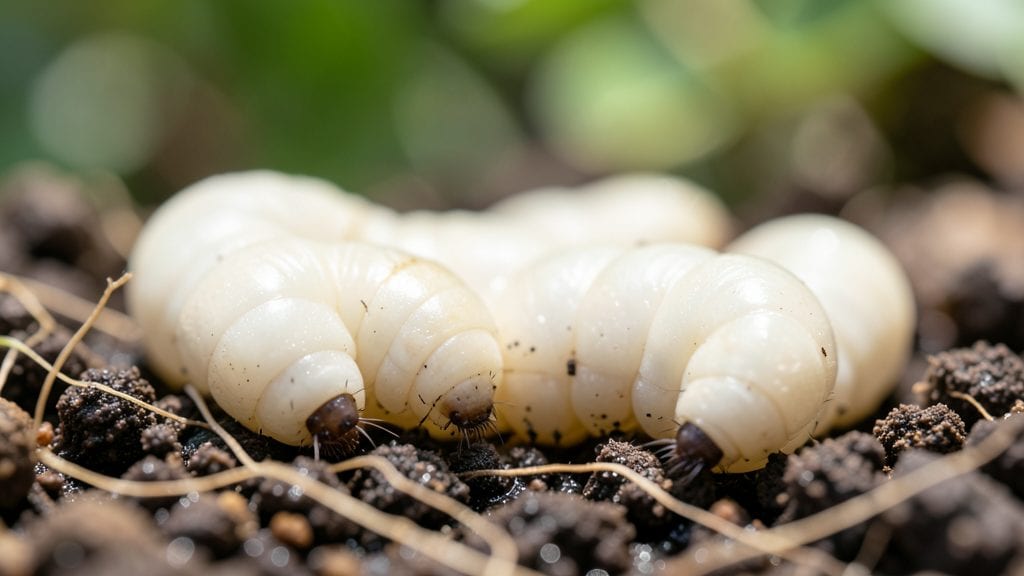
Finding white garden grubs chewing up your lawn isn’t just frustrating—it’s a sign your yard’s struggling beneath the surface. 🌱 These C-shaped larvae tunnel through roots, leaving behind brown patches and wilting plants that look healthy on top but are starving below.
I’ve seen firsthand how they can turn a lush green lawn into a patchwork of damage overnight.
The good news? You don’t need harsh chemicals to win this battle. The key is acting at the right time—late summer or early fall—when grubs are most vulnerable but before they pupate into beetles.
Natural solutions like beneficial nematodes or milky spore bacteria work quietly in the soil, while cultural fixes like proper watering and overseeding can starve them out long-term.
By the time you’re done, your lawn will bounce back with thick, vibrant grass that stays resilient against future invasions. The secret isn’t brute force—it’s understanding their life cycle and outsmarting them before they cause real harm.
Let’s get your yard back to its best without wrecking the soil in the process.
This approach works for both lawns and garden beds, whether you’re dealing with a small infestation or a full-blown grub takeover. The methods here are proven to work in zones 5 through 9, with adjustments for drier climates. Ready to reclaim your green space?
The Hidden Triggers Behind Grubs
White garden grubs—those plump, C-shaped larvae—don’t just appear out of nowhere. They’re the unwelcome result of a perfect storm of conditions that attract their moth parents and fuel their growth. Understanding these triggers is the first step to breaking the cycle without harming your soil or plants.
Let’s dig into the science behind why these pests take up residence in your yard.
Grubs thrive in soil that’s too moist or densely packed, creating an ideal nursery for their development. Here’s why:
- Excess Moisture: Larvae need oxygen, but soggy soil forces them to burrow deeper, where roots can’t reach. Overwatering also weakens grass and plants, making them easier targets for feeding grubs.
- Compacted Soil: Heavy foot traffic, construction, or clay-heavy soil reduces airflow and drainage. Grubs prefer these conditions because they mimic the soft, nutrient-rich layers of their natural habitats (like forest floors).
- Poor Drainage: Areas with standing water or slow-draining soil become grubs’ favorite spots. Even if you don’t see puddles, soil that stays damp for days is a red flag.
💡 Pro Tip: Test your soil’s moisture by squeezing a handful—if water drips out or it feels like a sponge, it’s too wet. Aim for soil that crumbles slightly when pressed.
The grubs you’re battling today started as eggs laid by adult moths—specifically the Japanese beetle or June beetle. These moths are drawn to your yard for three key reasons:
- Grass-Covered Lawns: Moths use grass as a landing strip to spot soft, healthy turf where grubs can feed. A thick, lush lawn is like a neon sign for them.
- Dusk & Dawn Activity: Moths are most active during twilight hours, when they’re less likely to be eaten by predators like birds or bats. If your yard is well-lit at night, it can actually attract them.
- Flowering Plants: Moths are drawn to night-blooming flowers (like jasmine or moonflower) for nectar. These plants can become “moth traps,” increasing egg-laying nearby.
✨ Key Insight: Eggs hatch in 7–10 days, so if you see adult beetles in late spring or summer, grubs could be on their way within weeks.
Grubs are picky eaters—they prefer lawns with:
- High Nitrogen Fertilizer: While nitrogen boosts grass growth, it also attracts grubs. They feast on the tender roots stimulated by excess fertilizer, creating a vicious cycle.
- Lack of Natural Predators: Birds (like robins or starlings), toads, and beneficial nematodes keep grub populations in check. If your yard lacks these helpers—often due to pesticides or habitat loss—grubs multiply unchecked.
- Young or Stressed Grass: Newly seeded lawns or areas recovering from drought, disease, or foot traffic are prime targets. Grubs exploit weakened plants for easy meals.
🔥 Warning: Over-fertilizing in late summer (when moths are active) is a common mistake that invites grubs. Always follow the slow-release, low-nitrogen rule in warm months.
Grubs are cold-blooded—they’re inactive below 50°F (10°C) and thrive in warm, protected spots. Look for these conditions:
- South-Facing Lawns: These areas absorb the most heat, creating a cozy environment for grubs to develop faster.
- Under Mulch or Debris: Leaves, wood chips, or thick mulch layers trap heat and moisture, mimicking the grubs’ natural forest floor habitat.
- Shaded or Dense Plantings: While shade helps your lawn, it also keeps soil temperatures stable—ideal for grub survival through seasonal changes.
🎯 Actionable Fix: Rake up thick mulch layers in high-risk areas and consider aerating compacted, warm spots to improve airflow.
By identifying which of these conditions apply to your yard, you can target the root cause—literally. The next step? Disrupting their lifecycle without resorting to harsh chemicals.
Natural Ways to Remove Them Safely
Now that you understand why those pesky white grubs are invading your garden, it’s time to tackle the problem without harming your soil or beneficial insects. The good news? There are humane, effective solutions that work fast—whether you’re dealing with a small infestation or a full-blown outbreak.
Below, we’ve broken down the best fixes based on the root cause of your problem, plus prevention tips to keep grubs away for good.
Fix: Improve drainage and aerate the soil to make it less inviting for grubs.
- 👨🍳 Loosen the Soil Use a garden fork or aerator to poke holes 6–8 inches deep in affected areas. This helps water drain better and disrupts grubs’ cozy underground tunnels. Do this in early spring or fall when the soil is moist but not soggy.
- 💡 Add Organic Matter Mix in compost, coconut coir, or well-rotted manure to improve soil structure. Grubs thrive in dense, waterlogged soil—fluffier soil means fewer hiding spots.
- 🌡️ Adjust Watering Habits Water deeply 2–3 times per week (instead of daily light sprinkles) to encourage deep root growth and reduce standing water. Avoid overwatering lawns, as grubs love damp conditions.
Fix: Target the grubs directly with non-toxic, soil-friendly treatments.
- 🔪 Handpick in Early Morning On a cool, damp morning, gently lift sections of sod (about 6x6 inches) and pick grubs off by hand. Drop them into soapy water to kill them instantly. This works best for small infestations (under 10 grubs per square foot).
- 🥘 Use Beneficial Nematodes These microscopic worms (Heterorhabditis bacteriophora) are natural predators of grubs. Apply them in late summer or early fall when grubs are young and vulnerable. Follow package instructions—usually, you’ll mix them with water and spray onto soil.
- 🎯 Apply Milky Spore or Beauveria Bassiana - **Milky Spore (Bacillus popilliae): A long-term bacterial solution that infects and kills Japanese beetle grubs. It takes 1–2 years to establish but provides decades of protection.
Best for lawns, not vegetable gardens. - Beauveria Bassiana: A fungal spray that kills grubs on contact. Reapply every 4–6 weeks during grub season (spring/fall).
Fix: Use selective, low-impact chemical options as a last resort.
- 🔪 Imidacloprid or Chlorantraniliprole Granules These systemic insecticides are less harmful to bees and earthworms than traditional chemicals. Apply early fall (when grubs are hatching) and water in lightly. ⚠️ Avoid overuse—only treat small, high-risk areas.
- 💡 Solarize the Soil (For Severe Cases) If grubs are destroying plants in a small garden bed, cover the area with clear plastic sheeting for 4–6 weeks in hot summer weather. The trapped heat kills grubs and eggs without chemicals. Best for vegetable gardens, not lawns.
Once you’ve kicked the grubs out, stop them from coming back with these proactive steps:
- 💡 Choose Grub-Resistant Grass If you have a lawn, opt for tall fescue, fine fescue, or buffalo grass—they’re less appealing to Japanese beetle grubs than Kentucky bluegrass.
- 🔥 Encourage Natural Predators
- Ground beetles & parasitic wasps: Reduce pesticide use to let these free pest controllers thrive.
Final Thought: The key to humane grub control is prevention + targeted action. Start with soil improvements and natural predators, then use selective treatments only if needed. With these steps, you’ll protect your plants without poisoning your soil**—and keep those white invaders out for good!
Frequently asked questions
What do white garden grubs actually look like?
White garden grubs are plump, C-shaped larvae about ½ to 1 inch long with smooth, legless bodies. They’re often mistaken for worms but have a slightly tapered tail. Look for them in moist soil when you lift sod—you’ll spot their creamy-white color and soft texture.
How do I know if my lawn has a grub problem?
Watch for brown patches that pull up easily (roots are chewed off), skunks digging for food, or birds pecking at the ground. Dig up a small section of grass—if you find more than 5-10 grubs per square foot, you’ve got an infestation. These signs appear in late summer or fall when grubs are most active.
Are white grubs harmful to vegetables or just lawns?
They’ll attack both! While lawns are their favorite, grubs chew roots of tomatoes, corn, and other shallow-rooted veggies. Look for wilting plants that seem healthy above ground. For gardens, beneficial nematodes or Beauveria bassiana are safer than lawn treatments.
Can I use coffee grounds to repel white grubs?
Coffee grounds help slightly by improving soil structure, but they’re not a direct grub repellent. For better results, mix in composted manure or catnip mulch—grubs dislike both. The best defense is aerating soil and encouraging natural predators like birds.
How long does it take for milky spore to work?
Milky spore bacteria need 1-2 years to establish in your soil before fully controlling grubs. It’s a long-term solution—apply it in early fall when grubs are young. For immediate results, combine it with beneficial nematodes or handpicking during the first year.