
Picking
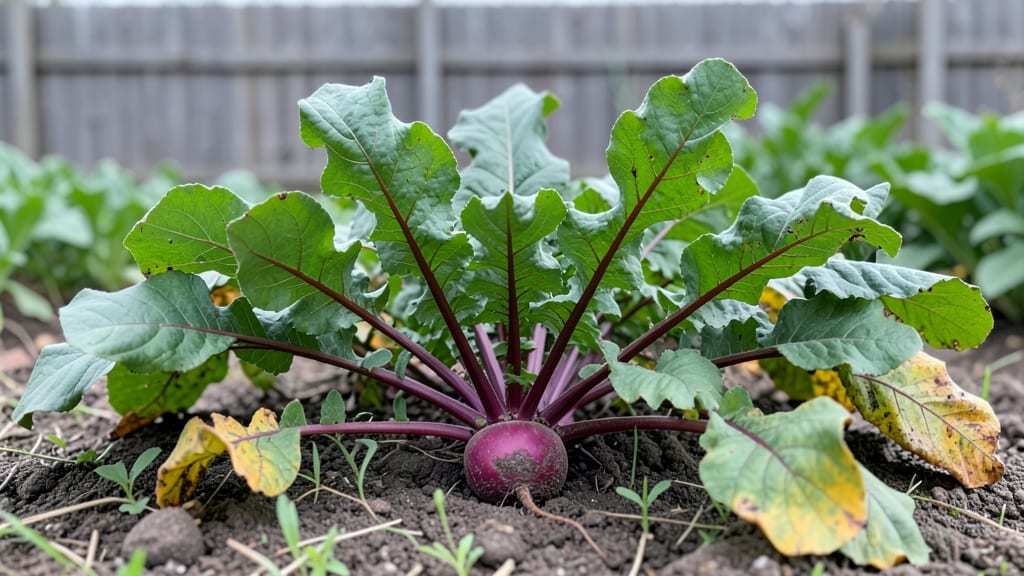
Picking beetroot from the garden at the right moment turns a simple harvest into a flavor-packed victory 🍠—and the clues are hiding in plain sight.
Harvesting too early gives you tiny, underdeveloped roots, while waiting too long means tough, woody textures that ruin even the best recipes. The secret? Watching for that color shift in the leaves and roots—a telltale sign your beetroot is ready to pull.
In USDA Zone 6a, where spring planting kicks off in March, timing matters even more. A late spring frost or scorching summer heat can throw off maturity, so knowing when to check—and when to act—is the difference between a crisp, sweet harvest and a bitter disappointment.
Below, I’ll walk you through the exact visual cues to look for, the best time of day to harvest for peak sweetness, and how to avoid the three biggest mistakes that turn great beetroot into garden flops.


How to use the color shift test for perfect beetroot harvesting
Beetroot harvesting success starts with understanding the color shift test, a simple but powerful method to determine peak maturity. The leaf color transition from vibrant green to subtle red or yellow signals that your beetroot is ready to harvest.
This visual cue works alongside root size and soil conditions to ensure you pick beetroot at its sweetest and most tender stage.
Most gardeners overlook the leaf color shift in favor of root size alone, but this test reveals hidden clues about flavor and texture.
For example, deep red varieties like Detroit Dark Red will show a bronze tint on their leaves, while golden beetroot varieties like Burpee's Golden may develop a yellowish hue. Paying attention to these subtle changes helps you avoid harvesting too early or too late.
Here's the key: when 20-30% of the leaves show these color changes, it's time to check your beetroot's readiness. Combine this with root size benchmarks (1-3 inches in diameter) and firmness tests (skin should resist gentle pressure) for foolproof results.
⚠️ Important Note: Never harvest based solely on leaf color—always verify with root size and firmness. Some varieties may show color changes earlier than others, so always cross-reference with your specific beetroot type.
Soil conditions also play a crucial role in the color shift test. Well-drained, loamy soil with a pH of 6.0-7.0 ensures proper nutrient uptake, which directly impacts leaf color changes. If your soil is too sandy or clay-heavy, the color transitions may appear muted or delayed.
Let's break down the color shift test by variety, as different beetroot types exhibit unique visual cues. For instance, striped varieties like Chioggia may show a pale pink blush on leaves, while heirloom types like Albina Vereduna could develop a creamy white leaf edge before harvest.
Now, let's examine how these visual cues translate into actionable harvest times. The comparison table below shows how leaf color, root size, and soil conditions combine to create the perfect harvesting window for your beetroot crop.
| Harvest Stage | Leaf Color Shift | Root Size (Diameter) | Root Firmness | Soil Condition | Ideal Harvest Time |
|---|---|---|---|---|---|
| Early (Not Ready) | Vibrant green, no color change | Less than 1 inch | Soft, easily pierced | Moist, well-drained | Wait 1-2 weeks |
| Optimal (Ready) | 20-30% color shift (red/yellow/bronze) | 1-3 inches | Firm, resists pressure | Consistently moist | Harvest immediately |
| Late (Overripe) | 50%+ color shift, wilting leaves | Over 3 inches | Woody, tough texture | Drying out | Harvest for storage |
| Variety-Specific |
|
1.5-2.5 inches (varies) | Firm with slight give | pH 6.0-7.0 | Morning after watering |
The optimal harvest stage occurs when you see that 20-30% leaf color shift combined with 1-3 inch roots. At this point, the beetroot will have developed its full sweetness but hasn't become woody.
The root firmness test is particularly important—if you can easily pierce the skin with your fingernail, it's not ready yet.
For continuous harvesting, plant beetroot seeds in successive plantings every 2-3 weeks. This staggered approach ensures you always have fresh beetroot reaching the optimal harvest stage throughout the growing season.
Just remember to check each batch individually, as even slight variations in soil or sunlight can affect the color shift timing.
One common mistake is ignoring the soil moisture during the harvest window. Dry soil can cause premature leaf color changes, making you think the beetroot is ready when it's actually stressed.
Always keep the soil consistently moist (1-2 inches of water per week) leading up to harvest for accurate color shift readings.
To perform the color shift test properly, follow this simple routine: Check your beetroot leaves every 3-5 days starting at 45 days after planting. Look for the subtle color changes first appearing on the older leaves—this is your first sign that the roots are nearing maturity.
Once you've confirmed the optimal harvest stage using the color shift test, harvest your beetroot on a cool morning after watering. This timing preserves the peak sweetness and makes the roots easier to pull from the soil.
Store harvested beetroot in a cool, dark place (50-55°F) for up to 2 weeks to maintain flavor and texture.
Best time of day and season to harvest beetroot for maximum sweetness
Timing your beetroot harvest isn't just about waiting for the right size—it's also about seasonal temperatures and daily light cycles.
Beetroots grown in spring (like my early May plantings) develop sweeter flavors when harvested during cool mornings (60-70°F), while fall varieties (like Detroit Dark Red) peak in mild afternoons (55-65°F). Extreme heat or frost can turn your sweet roots into tough, bitter disappointments.
For the best flavor, avoid harvesting during peak afternoon heat (after 2 PM), as this can concentrate sugars unevenly. Instead, plan to pick in the early morning when temperatures are stable. This is when beetroots have absorbed the most moisture overnight, keeping them crisp and juicy.
Seasonally, spring beetroots (planted in early spring) are ready for harvest 60-70 days after sowing, while fall varieties take slightly longer—70-80 days. My rule of thumb?
Harvest spring beetroots in late May to early June and fall varieties in late August to September, just before the first frost.
- 🌱 Spring Harvest: Pick beetroots in morning hours (6-9 AM) when temps are 60-70°F for peak sweetness.
- 🌿 Fall Harvest: Opt for late afternoon (3-5 PM) when soil stays 55-65°F to avoid stress.
- ☀️ Avoid Midday Heat: Never harvest between 12-4 PM—roots can develop bitter notes from stress.
- ❄️ Pre-Frost Rule: Harvest 2 weeks before the first frost to prevent woody texture.
- 📅 Seasonal Sweetness: Spring beetroots are sweeter when young (1-2 inches), while fall varieties develop deeper flavor at 2-3 inches.
Once harvested, store beetroots in a cool, dark place (like a root cellar) to preserve their sweetness. I wrap mine in damp sand or store them in perforated plastic bags to maintain moisture.
This keeps them fresh for up to 3 months, though I always use the biggest ones first—they’re the sweetest!
Pro tip: If you’re unsure whether your beetroots are ready, dig one up and check the skin firmness. A ripe beetroot should feel firm but slightly give when gently squeezed—like a ripe avocado. If it’s too hard, wait a few days; if it’s too soft, you’ve missed the window.
Remember, the soil temperature plays a huge role too. Beetroots grown in cool soil (55-65°F) develop the most intense flavors. If your soil is too hot, mulch with straw or grass clippings to keep roots cool and sweet.