
Flowers
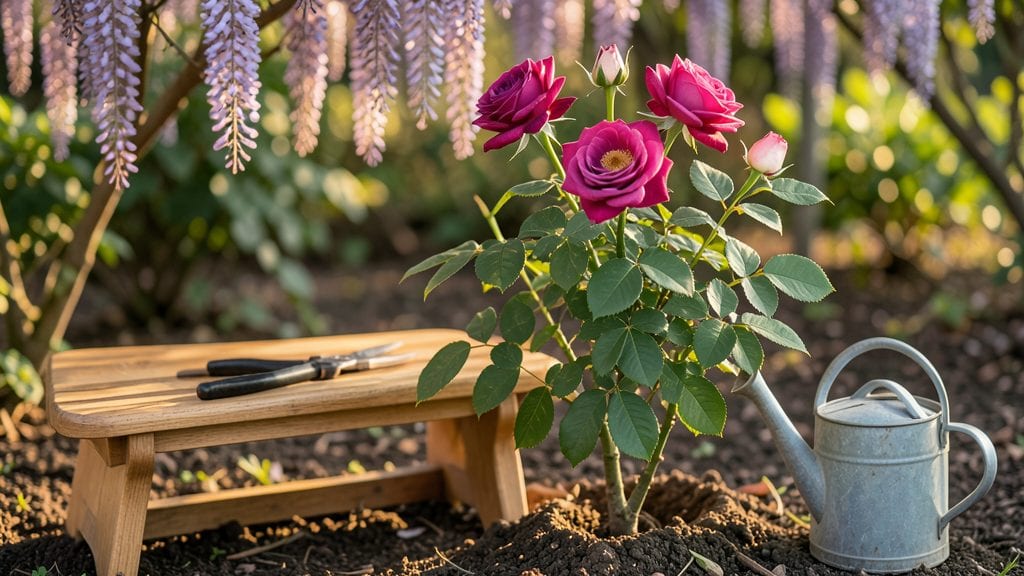
When flower gardening, people focus on seasonal planting, pruning, mulching, and deadheading, while also enriching soil, managing pests, and designing creative layouts to boost both beauty and plant health.
Flower gardening isn't just about planting—it's a year-round craft that blends science and art. 🌸 From spring planting to winter soil prep, each season brings unique tasks like dividing perennials or protecting tender blooms from frost.
Many gardeners also experiment with container gardening or companion planting to maximize space and deter pests naturally. The best part? Every snip of pruning or scoop of mulch directly impacts how vibrant your garden will be next season.
Beyond the basics, creative techniques like color-themed layouts or DIY trellises let you personalize your space while supporting plant growth. For example, pairing marigolds with tomatoes repels pests, and vertical gardens save space in small yards.
The key is balancing structure with spontaneity—whether you're a beginner or a seasoned green thumb.
💡 In This Article
- Seasonal Flower Gardening Tasks by Month
- Creative Flower Gardening Techniques and Design Ideas
Seasonal flower gardening tasks by month
The rhythm of flower gardening shifts dramatically with each season, guided by both plant biology and climate patterns. In spring, gardeners focus on planting annuals like zinnias and petunias when soil reaches 60°F, while perennials such as peonies and daylilies begin emerging from dormancy.
The key here is timing—planting too early risks frost damage, while waiting too long may stress tender roots. 🌱 Most gardeners also divide overcrowded perennials in early spring, using a sharp spade to separate root clumps and replant them for stronger growth.
Summer transforms into a season of pruning and deadheading—removing spent blooms to redirect energy into new flowers. For example, cutting back 30-50% of a bush rose's growth in late spring encourages denser foliage, while deadheading marigolds every 2-3 days extends their bloom time by 3-4 weeks.
The goal is to maintain airflow (reducing fungal diseases) while stimulating continuous flowering. Mulching with 2-3 inches of shredded bark also conserves moisture, a critical strategy during dry spells.
Fall becomes the season for soil enrichment and protective measures. Gardeners incorporate compost or aged manure (about 1-2 inches mixed into the top 6 inches of soil) to replenish nutrients lost during summer blooming.
Planting fall-blooming bulbs like tulips or daffodils—typically between October and November—ensures vibrant spring displays. Meanwhile, tender perennials like salvias get wrapped in burlap or moved to containers to shield them from early frosts.
Winter shifts focus to soil preparation and pest control. Many gardeners spread 10-12 inches of straw mulch over perennials to insulate roots from freezing temperatures. This layer also smothers weeds and prevents soil erosion.
It's also the ideal time to clean and sharpen tools, disinfecting pruners with rubbing alcohol to prevent disease spread. Some gardeners even plant winter-hardy flowers like pansies or hellebores for year-round color, choosing varieties that thrive in 20-30°F conditions.
What most people overlook is how microclimates affect seasonal tasks. A south-facing wall, for example, may allow early spring planting of cold-hardy flowers like snapdragons 2-3 weeks earlier than the general guideline.
Similarly, raised beds warm up faster in spring, extending the growing season by 10-14 days compared to in-ground planting. Paying attention to these nuances lets gardeners push boundaries and enjoy blooms longer.
Each season's tasks build on the last, creating a cycle where proper fall mulching reduces spring weeding, and summer pruning sets up winter's soil health. The science behind these practices—like how mulch insulates roots through temperature fluctuations—makes gardening both a science and an art. 🌿