
Watering
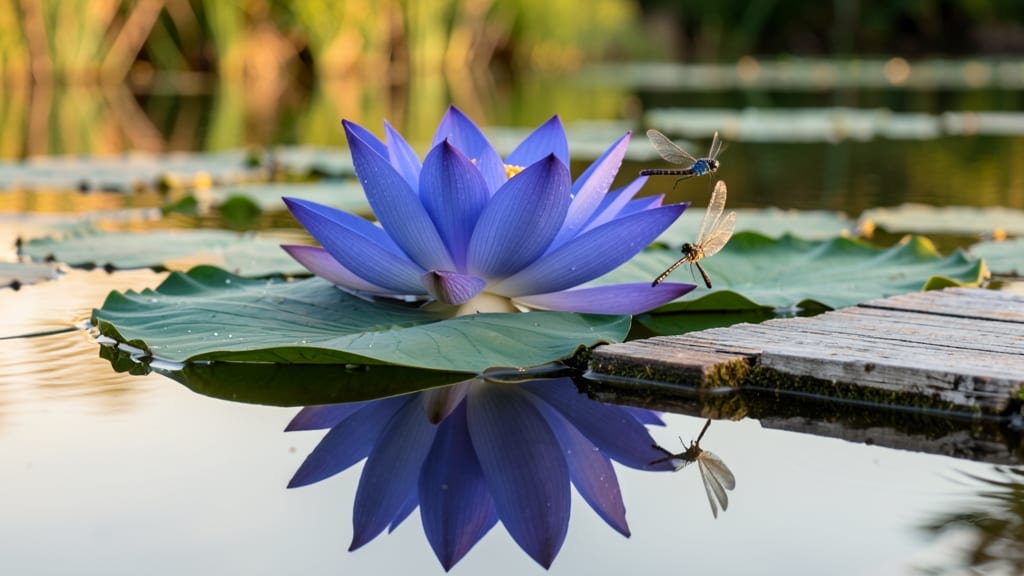
Creating a water garden park turns your backyard into a tranquil escape where the sound of water replaces city noise. ✨ I designed mine around a small pond with lily pads and firefly lights that glow at dusk, turning evenings into peaceful moments.
The key isn’t just the water—it’s the plants that thrive in it, like water hyacinths and lotus flowers, plus the right lighting to highlight everything after dark.
You’ll need a shallow pond (at least 18 inches deep), some floating plants to cover the surface, and solar-powered lights that cast gentle reflections. Start small—even a 4x6-foot pond creates a stunning focal point—and choose plants that attract dragonflies and butterflies for extra magic.
Maintenance is simple: just skim debris and top off water lost to evaporation.
By summer’s end, you’ll have a space where the air hums with cicadas and the water shimmers under twilight lights. The floating plants filter the water naturally, while the lights create a mesmerizing dance on the surface. It’s not just a garden—it’s a living painting that changes with the seasons.
Works for any backyard, from suburban lots to rural acres. The trick is balancing beauty with practicality—so even if you’re new to water gardens, this design stays manageable. Let’s get started with the layout!
📚 In This Guide
- What you need
- Instructions
- Tips and common mistakes
- Wrapping up and next steps
What you need
- ● Pond liner: EPDM rubber or PVC (10–20 mil thickness, size based on pond dimensions).
- ● Floating plants: Water hyacinth, lotus, or water lilies (5–10 plants, depending on pond size).
- ● Substrate: Aquatic soil or gravel (5–10 bags, 20–40 lbs each).
- ○ Water feature: Small fountain or bubbler (optional but adds ambiance).
- ● LED firefly lights: Solar-powered or battery-operated (10–20 lights for a magical glow).
- ● Pump & filter system: Submersible pump (300–600 GPH) + filter media.
- ● Decorative rocks: Smooth river rocks (10–20 lbs, for edges or waterfall features).
- ● Shovel & spade (for digging).
- ● Level (to ensure even pond edges).
- ● Measuring tape (for precise dimensions).
- ● Garden kneeler (for comfort during assembly).
- ● Drill & screws (for securing lights or structures).
- ● Gloves & safety glasses (protection is key!).
- ● Benches or seating areas (for that park-like feel).
- ● Solar-powered misting system (for extra ambiance).
- ● Fish (koi or goldfish, if you want aquatic life!).
- ● Waterproof speaker (for soft background music).
- ● Pond dye (to enhance color and reduce algae).
Step-by-step instructions for designing a floating water garden park
Transform your backyard into a tranquil escape with this easy-to-follow floating garden plan.
🪴 Step 1: Select and Prepare Your Water Feature
Choose a shallow container—kiddie pools, wide bowls, or even a repurposed bathtub work perfectly. The water should be 12-18 inches deep to accommodate floating plants and create a stable environment. Line the bottom with a pond liner if needed to prevent leaks, but skip it if using a sturdy plastic container. I like to add a 1-inch layer of small pebbles at the bottom for natural filtration and to anchor any rooted plants you might add later.
Fill the container with dechlorinated water (let tap water sit for 24 hours or use a water conditioner). Test the water temperature—it should stay between 60-75°F for most aquatic plants. If your climate runs hotter, add a small solar-powered fountain to keep the water circulating and prevent stagnation.
🌿 Step 2: Install Floating Platforms and Plants
Place your floating platforms (like foam rafts or coconut fiber mats) evenly across the water’s surface. These create habitats for plants and prevent them from sinking. Start by adding water hyacinths or water lettuce—they spread quickly and provide shade for fish or insects. I like to space them 6-8 inches apart so they don’t overcrowd and compete for nutrients.
For a magical touch, tuck firefly-attracting plants like water lilies or pickerelweed into the edges of the platforms. These plants thrive in shallow water and will draw beneficial insects naturally. Avoid overplanting; 3-4 plants per platform is plenty to start. Watch for new growth within 2-3 weeks—that’s your sign the plants are happy.
✂️ Step 3: Add Lighting and Finishing Touches
Install your solar-powered firefly lights along the edges of the water feature, securing them with waterproof stakes. Place them 12-18 inches apart for even illumination. I like to weave them through nearby plants or drape them over the rim for a soft glow. Test the lights during the day to ensure they charge properly—most need 6-8 hours of sunlight for full nighttime brightness.
Add smooth river rocks or driftwood around the perimeter for texture and to create microhabitats. Skip anything sharp or jagged—it can damage the liner or harm any small creatures that might visit. Finally, trim any overgrown plants weekly to keep the space looking intentional and serene.
💧 Step 4: Maintain Water Quality and Ecosystem Balance
Check the water level weekly and top off with dechlorinated water as needed. Over time, floating plants will absorb nutrients, so add a liquid aquatic fertilizer every 4-6 weeks to keep them thriving. I like to use a low-dose formula—too much can cause algae blooms and disrupt the balance.
Remove any dead leaves or debris promptly to prevent stagnation. If you notice cloudy water or strong odors, it’s time for a partial water change (replace 20-30% of the water). A small pond vacuum makes this easy—just skim the surface and stir the bottom gently. With consistent care, your floating garden will stay vibrant and inviting for seasons to come.
Tips & tricks for perfect floating water garden parks
Here’s what I’ve learned after creating these serene backyard retreats—simple secrets that make all the difference.
Water Preparation: The 24-hour dechlorination time is crucial for aquatic life. If you’re short on time, use a water conditioner instead—it neutralizes chlorine in just minutes. I also recommend testing water temperature before adding plants, especially in hotter climates. Aim for that 60-75°F range; plants can get stressed outside this zone.
Plant Spacing: Those 6-8 inch spacing guidelines between water hyacinths might seem generous, but trust me—crowding leads to competition and weak growth. For firefly-attracting plants like water lilies, give them extra room (up to 12 inches apart) since they’ll spread over time. Watch for new growth after 2-3 weeks to confirm you’ve got the right balance.
Lighting Placement: When installing those solar-powered firefly lights, position them where they’ll catch 6-8 hours of direct sunlight daily. I like to angle them slightly toward the water’s edge so the reflections create a magical shimmer at night. Test them during the day to ensure they’re charging properly—dim lights at night mean they didn’t get enough sunlight.
Maintenance Shortcuts: For the 4-6 week fertilization schedule, I’ve found that a low-dose formula works best—over-fertilizing can actually harm your plants. When doing partial water changes, I use a simple siphon hose instead of a pond vacuum to make the process quicker and less messy. Just place one end in the container and the other in a bucket.
Pro Tips for Water Garden Park
- Here’s what I’ve learned after creating these serene backyard retreats—simple secrets that make all the difference.
- Water Preparation: The 24-hour dechlorination time is crucial for aquatic life.
- Plant Spacing: Those 6-8 inch spacing guidelines between water hyacinths might seem generous, but trust me—crowding leads to competition and weak growth.
Frequently asked questions
Got questions about creating your own water garden park?
Here are answers to the most common ones—from planning to maintenance—so you can dive in with confidence!
What are the best floating plants for a water garden park?
Start with hardy, low-maintenance options like water hyacinth, water lettuce, or duckweed for natural filtration and shade. For aesthetics, try lotus or water lilies—just ensure they’re native to your climate to avoid invasive spread. Pro tip: Rotate plants seasonally to keep your garden vibrant!
How long does it take to design and install a water garden park?
Timing varies! A small DIY project (like a koi pond with floating plants) can take 1–2 weekends, while a full-scale park with lighting, pathways, and aquatic features may span 3–6 months. Factor in curing time for liners (2–4 weeks) and plant acclimation. Plan ahead for weather delays—spring or early fall is ideal!
Can I add firefly lights to an existing pond?
Use battery-operated LED string lights (waterproof, rated IP67+) or solar-powered floats for a magical glow. Anchor them gently with rocks or weights to avoid disturbing plants. For safety, keep lights 12+ inches above water and check connections regularly. Pair with bioluminescent plants like GloFish for extra enchantment!
What’s the easiest way to keep pests (like mosquitoes) out?
Combine floating plants (they shade water, blocking breeding sites) with a small fountain or aerator ($50–$150) to keep water moving. Add mosquito dunks (natural bacteria) or introduce goldfish (they eat larvae!). Avoid stagnant edges—keep water depths 12+ inches where possible.
Are there budget-friendly alternatives to expensive water features?
Yes! Swap pricey pumps for solar-powered fountains ($30–$80) or DIY a "bubble wall" with an aquarium air stone ($15). Use recycled materials like old bathtubs (for ponds) or wine barrels (for planters). Thrift stores often have terracotta pots or glass floats for decor. Start small—even a $50 setup with plants and lights can feel luxurious!
How do I winterize a water garden park?
Drain and store non-hardy plants in containers. Remove 30–50% of water (or use a pond de-icer) to prevent freezing damage. Cover with floating insulation mats ($20–$50) or bubble wrap. Turn off pumps/fountains and disconnect power. In cold climates, add aeration to keep water from becoming anaerobic. Spring cleanup will be easier!
Wrapping up and next steps
Creating your own water garden park is a rewarding journey that blends nature, tranquility, and creativity into one serene retreat. With the right floating plants, firefly-inspired lighting, and thoughtful design, you’ve got everything needed to transform your space into a peaceful oasis. 🌿✨
Now that you’re equipped with the materials, tips, and answers to common questions, it’s time to roll up your sleeves and bring your vision to life!
Start small—perhaps with a single pond or a corner of your garden—and let your passion grow as you witness the magic unfold. Happy designing! 🌊💡