
Tools
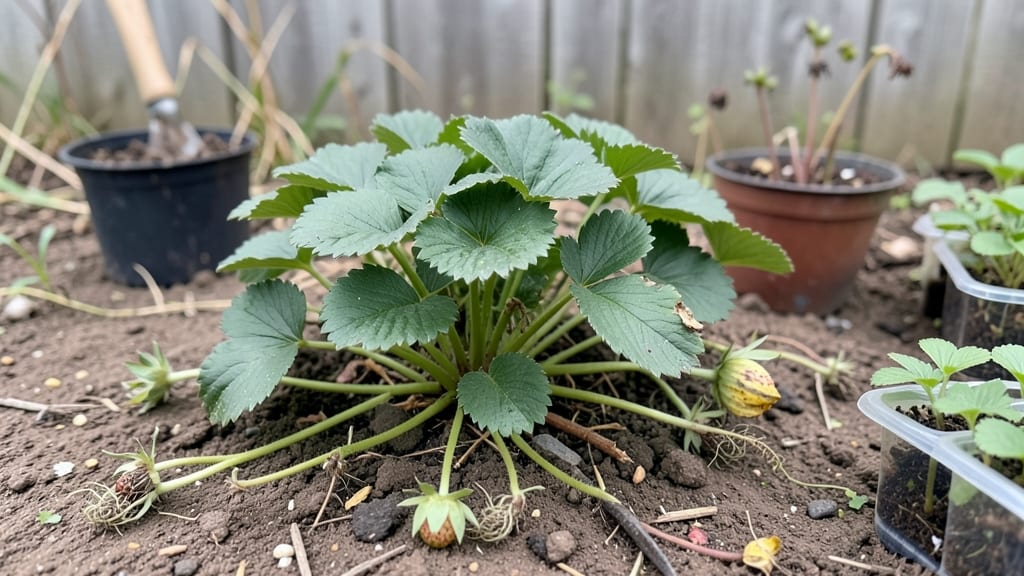
A vertical strawberry garden turns tiny balconies into bountiful harvests. 🌱 I built mine last spring after my patio space refused to grow more than a handful of plants—and now I’m drowning in berries by July.
The secret isn’t fancy equipment; it’s stacking plants vertically to free up floor space while keeping them happy.
You’ll need sturdy containers or a DIY trellis system, everbearing or day-neutral strawberry varieties, and about 30 minutes to assemble everything. The right setup prevents soil-borne diseases, deters slugs, and lets you grow where you’d normally struggle.
My 3-tier tower fits where a single pot once lived, and the berries ripen in waves all season.
By midsummer, you’ll be picking sweet, plump strawberries from every level without bending over. The plants stay compact, the fruit stays clean, and your neighbors will ask how you fit so much into so little space. Plus, the cascading foliage turns a simple structure into a lush, edible curtain.
Works for urban balconies, small yards, or even sunny windowsills with the right light. Here’s how to stack your first harvest—no green thumb required, just a little creativity and some sturdy containers.
📚 In This Guide
- What you need
- Instructions
- Tips and common mistakes
- Wrapping up and next steps
What you need
- ● Vertical Planter: Choose a sturdy, weather-resistant planter (e.g., wooden pallets, PVC pipes, or pre-made vertical garden kits). Dimensions: At least 3–4 feet tall and 12–18 inches wide per tier.
- ● Growing Medium: Potting Soil: 2–3 bags (1–2 cubic feet each) of high-quality, well-draining potting mix (look for "organic" or "strawberry-specific" blends).
- ○ Coco Coir or Perlite: 1 bag (for aeration, optional but recommended for drainage).
- ● Strawberry Plants: 6–12 June-bearing or everbearing strawberry plants (bare-root or potted). Choose day-neutral varieties for continuous harvests!
- ● Hardware: 4–6 1/4-inch galvanized screws (for securing wood/plastic planters).
- ● Waterproof sealant (if using wood).
- ● Watering System: Drip irrigation kit or a watering can with a long spout.
- ● 1–2 5-gallon watering jugs (for deep watering).
- ● Basic Tools: Drill + drill bits (for pre-made planters).
- ● Scissors or utility knife (for cutting landscape fabric, if used).
- ● Gloves + trowel (for planting).
- ○ Optional Upgrades: Landscape Fabric: 1 roll (to line tiers and prevent soil spillage).
- ● Slow-Release Fertilizer: 1–2 packets (strawberry-specific or balanced 10-10-10).
- ● Mulch: Straw or shredded bark (to retain moisture).
- ● Trellis or Netting: For trailing varieties (e.g., alpine strawberries).
- ● Sunlight: 6+ hours of direct sun daily (south-facing walls or balconies are ideal).
- ● Space: Minimum 12 inches of clearance behind the planter for maintenance.
- ● Climate Check: Ensure your zone is USDA 5–10 (or equivalent) for outdoor setups. For colder zones, use a greenhouse or cold frame.
Step-by-step instructions for building a vertical strawberry garden
Here’s how to transform limited space into a bountiful harvest using a tiered design.
🪴 Step 1: Choose and Assemble the Vertical Structure
Select a sturdy, weather-resistant frame—wooden crates, plastic pallets, or a pre-made vertical planter work well. I prefer cedar because it resists rot and adds natural pest deterrence. Ensure each tier has drainage holes drilled ¼ inch in diameter spaced 6 inches apart to prevent waterlogging.
Stack tiers at least 12 inches apart to allow room for roots and easy harvesting. Secure the structure with non-toxic screws or brackets, and line the bottom of each tier with landscape fabric to prevent soil from falling through. This keeps your strawberries contained while allowing excess water to drain freely.
🌱 Step 2: Prepare the Growing Medium and Planting Sites
Fill each tier with a mix of 50% potting soil and 50% compost—strawberries thrive in loose, nutrient-rich soil that drains well. Avoid garden soil; it compacts too easily in containers and can harbor diseases. Moisten the mix until it’s damp like a wrung-out sponge, but not soggy.
Plant 1-2 strawberry plants per tier, spacing them 8 inches apart to allow airflow and prevent crowding. Use June-bearing varieties for the top tiers and everbearing types for lower levels to extend your harvest season. Press the crown (the area where leaves meet roots) just below the soil line—this ensures strong root establishment.
☀️ Step 3: Position for Maximum Sun and Water Efficiency
Place your vertical garden in a location that receives 6-8 hours of direct sunlight daily. South-facing walls or rooftops are ideal, but even east or west exposures work if you supplement with a small grow light during cloudy days. Strawberries need consistent light to produce sweet, flavorful fruit.
Water deeply 2-3 times per week, ensuring the soil stays evenly moist but never waterlogged. I use a watering can with a long spout to reach all tiers evenly—top watering can leave lower levels dry. Check soil moisture by sticking your finger 1 inch deep; if it feels dry, it’s time to water again.
🌿 Step 4: Prune and Maintain for Continuous Growth
Remove any flowers that appear on the first year’s growth—this redirects energy into establishing strong roots and foliage. Once plants are well-established (after 6-8 weeks
Fertilize every 4-6 weeks with a balanced, organic fertilizer (like fish emulsion) to support steady growth. Mulch the top of each tier with 1 inch of straw mulch to retain moisture, suppress weeds, and protect berries from rotting when they touch the soil. This also keeps your harvest clean and reduces pests. Pick strawberries when they’re fully red and slightly soft to the touch—this ensures peak sweetness. Use clean scissors or your fingers to avoid damaging the plant. Harvest in the morning when berries are coolest for the best flavor. Once the first flush of fruit is done, trim back any yellow or diseased leaves to encourage new growth. In late fall, cut back foliage to 2 inches above the crown and add a fresh layer of compost to the tiers. This prepares your vertical garden for winter and sets the stage for a stronger harvest next season. With proper care, your stacked strawberries will produce fruit for years to come!✂️ Step 5: Harvest and Prune for Next Season’s Growth
Tips & tricks for perfect vertical strawberry garden
These game-changing strategies will help you maximize your compact space while ensuring a thriving strawberry harvest that rivals traditional gardens.
Structural Stability: When assembling your vertical tiers, use corner brackets at each intersection for added reinforcement—especially if you're using lightweight materials like plastic pallets. I learned this the hard way when my first DIY cedar frame wobbled under the weight of wet soil. For extra security, consider adding a horizontal support beam halfway up the structure to prevent sagging over time.
Soil Mix Secrets: The 50/50 potting soil to compost ratio is non-negotiable, but here's the pro move: add 1 part perlite to that mix for every 4 parts total. This creates perfect drainage while maintaining moisture retention. I also recommend adding a handful of worm castings to each tier—they're packed with nutrients strawberries love and help establish beneficial microbes in your new growing medium.
Sunlight Optimization: Those 6-8 hours of direct sunlight are critical, but don't overlook the importance of reflective surfaces. Place your vertical garden against a white or light-colored wall to bounce extra light onto the lower tiers. If you're using a grow light supplement, position it 6-12 inches from the plants and use a timer for 12-14 hours of light per day during cloudy periods. This mimics natural daylight cycles and prevents leggy growth.
Watering System Upgrade: The 2-3 times per week watering guideline works, but consider installing a drip irrigation system with emitters at each tier. This ensures even moisture distribution without the risk of overwatering lower levels. If using a watering can, fill it only halfway—overfilling makes it difficult to reach all tiers without spilling. Always water in the morning to allow foliage to dry before evening, reducing disease risk.
Pro Tips for Vertical Strawberry Garden
- These game-changing strategies will help you maximize your compact space while ensuring a thriving strawberry harvest that rivals traditional gardens.
- Structural Stability: When assembling your vertical tiers, use corner brackets at each intersection for added reinforcement—especially if you're using lightweight materials like plastic pallets.
- Soil Mix Secrets: The 50/50 potting soil to compost ratio is non-negotiable, but here's the pro move: add 1 part perlite to that mix for every 4 parts total.
Frequently asked questions
Got questions about growing strawberries vertically? You’re not alone! Here are some of the most common queries—and their straightforward answers—to help you get started with confidence.
How deep should my vertical strawberry planters be?
For most vertical strawberry gardens, aim for 6–12 inches deep. Deeper pockets (like in tiered planters or hanging systems) allow roots to spread comfortably, while shallower setups work for smaller varieties like alpine strawberries. Just ensure drainage holes are present—no soggy roots here!
When’s the best time to plant strawberries in a vertical garden?
Plant in early spring or late summer for optimal results. Spring gives berries time to establish roots before summer heat, while late summer avoids winter stress. Check your last frost date—strawberries hate cold snaps! If using hanging planters, wait until all frost risk has passed.
Can I grow strawberries vertically indoors?
Use a sunny windowsill, grow lights, or a greenhouse for 6–8 hours of light daily. Dwarf or alpine varieties thrive indoors, but expect smaller yields. Monitor humidity—mist leaves occasionally to mimic outdoor conditions. Just avoid overwatering; indoor pots dry out faster!
How do I keep pests away from my vertical strawberry plants?
Prevent pests with row covers, neem oil, or companion planting (try basil or thyme). Check undersides of leaves for aphids or spider mites weekly. Prune damaged foliage immediately. For birds, use netting—vertical gardens are tempting snacks!
What can I do if my strawberries aren’t fruiting?
Lack of fruit often means insufficient light, poor pollination, or young plants. Move to a sunnier spot, hand-pollinate with a brush, or add a pollinator-friendly plant nearby. Strawberries need 1–2 years to mature—be patient! If using containers, ensure they’re large enough (roots need room to grow).
Still stumped? Drop your question in the comments—we’re happy to help you troubleshoot!
Wrapping up and next steps
A vertical strawberry garden isn’t just a clever way to grow more in less space—it’s a rewarding project that brings fresh, sweet strawberries right to your doorstep!
Whether you’re a city dweller with limited yard space or a gardener looking to maximize efficiency, this method proves that big harvests don’t require big plots. 🌱
Ready to turn your vision into a thriving garden? Start small—pick a design, gather your supplies, and let your creativity (and strawberries!) grow. Happy planting! 🍓✨