
Vegetables
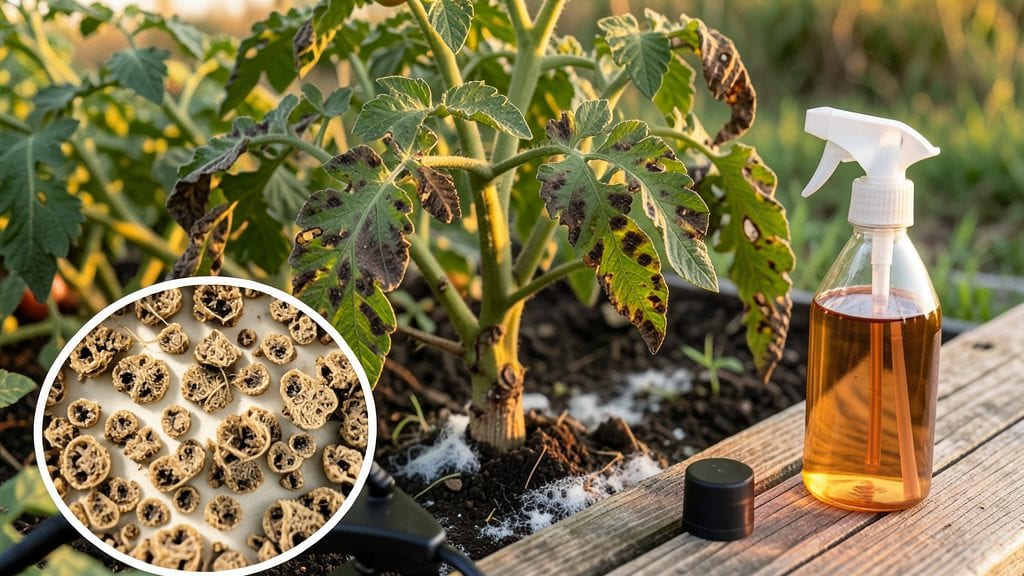
Vegetable garden fungus is the silent thief that turns lush plants into sad, spotted messes overnight. I’ve watched my tomatoes, peppers, and zucchini go from thriving to tragic in just a few days—until I discovered these 24-hour preventive sprays that actually work.
The key isn’t just spraying; it’s understanding which fungi attack which plants and how to stop them before they spread.
Most gardeners panic when they see white powder or brown spots, but the real secret is prevention. Proper spacing, watering at the base (not overhead), and removing infected leaves early can cut fungus risks by half.
My go-to spray—neem oil mixed with baking soda—stops powdery mildew in its tracks, and copper fungicide handles early blight like a champ. No more tossing out half the harvest!
You’ll see results fast: within 24 hours, new growth stays crisp, and existing spots stop spreading. The garden stays productive, and you avoid the heartbreak of ruined crops.
Best part? These sprays are safe for edibles once they dry, so you can harvest without worry. Let’s get your plants back to their best!
Works for tomatoes, peppers, cucumbers, and leafy greens—basically any veggie that loves warm weather. The same principles apply whether you’re dealing with a small container garden or a full-size plot. Here’s how to keep your garden fungus-free all season long.
Root Causes Of Fungal Spread
Fungal outbreaks in your vegetable garden aren’t random—they’re the result of specific conditions that create the perfect storm for spores to thrive. Understanding these triggers is the first step to stopping them before they ruin your harvest.
Below, we break down the three primary culprits behind fungal growth, backed by science and actionable insights.
Poor air circulation is a fungus’s best friend. When plants are packed too closely together, moisture lingers on leaves and stems, creating a damp, humid microclimate that fungi like Botrytis (gray mold) and Powdery Mildew love. Here’s why it happens:
- Reduced Evaporation: Dense foliage traps water vapor from soil and dew, keeping surfaces wet for extended periods.
- Blocked Sunlight: Shady spots stay cooler and damper, slowing drying and encouraging fungal spores to germinate.
- Physical Stress: Overcrowded plants compete for nutrients, weakening their natural defenses (like waxy cuticles) and making them more susceptible to infection.
Actionable Fix:
- Follow spacing guidelines for each vegetable (e.g., tomatoes need 18–24 inches apart; lettuce, 6–12 inches).
- Prune lower leaves to improve airflow, especially in tall plants like peppers or cucumbers.
- Use vertical trellises for vining plants (e.g., beans, squash) to lift them off the ground.
Fungi thrive in wet conditions, and overwatering or poor watering practices are often the direct cause. Here’s how moisture fuels fungal growth:
- Foliar Wetness: Water droplets on leaves (from overhead sprinklers or morning dew) create a film that spores latch onto. Phytophthora (root rot) and Alternaria (leaf spot) exploit this. - Saturated Soil: Waterlogged roots suffocate plants, weakening their immune response.
Fungi like Pythium seize the opportunity to invade. - Poor Drainage: Clay-heavy or compacted soil holds excess water, creating anaerobic conditions that stress plants and invite fungal pathogens.
Actionable Fix:
- Water at the base using drip irrigation or soaker hoses to avoid wetting leaves.
- Water in the morning (not evening) to allow foliage to dry by nightfall.
- Improve soil drainage by amending with compost or sand if your garden retains too much moisture.
- Mulch properly: Use straw or wood chips to regulate soil temperature and reduce evaporation, but avoid piling mulch against stems (which traps moisture).
Fungi don’t just need moisture—they also thrive in specific temperature ranges. Most garden fungi (like Fusarium or Rhizoctonia) are most aggressive when:
- Temperatures hover between 60–80°F (ideal for spore germination and growth).
- Humidity stays above 70% for prolonged periods (common in summer or after rain).
Why it happens:
- Slow Evaporation: High humidity means water evaporates slower, keeping plants damp longer.
- Stress from Heat: Plants under heat stress produce less protective compounds (e.g., phenolics), making them easier targets.
- Post-Rain Surges: Heavy rainfall followed by warm nights creates the perfect fungal feast.
Actionable Fix:
- Monitor forecasts and adjust watering if rain is predicted (skip irrigation to avoid over-saturating soil).
- Use shade cloth (30–50%) for heat-sensitive crops (e.g., lettuce, spinach) to lower leaf temperatures.
- Prune for sunlight: Thin out dense canopies to allow hot air to circulate and dry leaves faster.
- Choose resistant varieties: Some plants (e.g., ‘Defiant’ phlox or ‘Tyee’ tomato) are bred to tolerate humidity better.
Fungal spores are sneaky—they hitchhike on garden tools, compost, or even infected plant debris.
Here’s how contamination spreads: - Reused Tools: Pruners, trowels, or gloves contaminated with Verticillium wilt or Sclerotinia can transfer spores to healthy plants. - Old Compost: Improperly heated compost piles may not kill fungal spores, especially if they’re buried deep or shaded. - Infected Plant Debris: Leaving diseased leaves or roots in the soil (e.g., tomato stems with early blight) provides a reservoir for next year’s spores.
Actionable Fix:
- Sterilize tools between uses with a 10% bleach solution (1 part bleach to 9 parts water) or rubbing alcohol.
- Test compost temps: Ensure piles reach 140–160°F for at least 3 days to kill pathogens (use a compost thermometer).
- Practice crop rotation: Avoid planting the same family (e.g., nightshades like tomatoes/peppers) in the same spot for 3 years to starve soil-borne fungi.
- Solarize soil in late summer: Cover infected beds with clear plastic for 4–6 weeks to bake out pathogens.
Quick Fixes for Garden Fungus
Fungus in your vegetable garden doesn’t have to mean the end of your harvest—with the right approach, you can reverse the damage fast and keep your plants thriving.
Below, we’ve mapped out practical, step-by-step solutions for the most common causes of fungal infections, along with prevention tips to stop future outbreaks. Think of this as your fungus-fighting toolkit—ready to tackle problems before they spread.
Cause: Overwatering, poor drainage, or dense foliage trapping humidity creates the perfect breeding ground for fungi like powdery mildew or downy mildew.
How to Fix It:
- 🔥 Adjust Your Watering Routine Water deeply but less frequently—aim for 1 inch per week (including rain). Use a soaker hose or drip irrigation to deliver water at the soil level, avoiding wet leaves.
- Pro Tip: Water in the early morning (before 10 AM) so foliage dries quickly. Evening watering = fungal party.
- 👨🍳 Improve Drainage Amend heavy clay soil with compost, sand, or perlite to help water drain faster. If containers are the issue, add drainage holes or elevate pots.
- 🥘 Prune for Airflow Thin out crowded plants (especially tomatoes, cucumbers, and squash) to reduce humidity buildup. Remove yellow or diseased leaves immediately—don’t compost them!
Prevent Future Outbreaks: ✅ Mulch with straw or wood chips (keep 2–3 inches away from stems to prevent rot). ✅ Space plants properly—follow seed packet guidelines for airflow. ✅ Avoid overhead watering—use a spray nozzle with a gentle rain setting if you must water leaves.
Cause: Fungal spores (like early blight or late blight) thrive in warm, damp conditions. You’ll spot dark lesions, yellowing, or white powder on leaves.
How to Fix It:
- 🍳 Mix a Baking Soda Spray (Works in 24 Hours!) Combine:
- 1 tbsp baking soda
- 1 quart water
- 1 tsp dish soap (or horticultural oil)
- 1 tbsp vinegar (optional, for extra antifungal power) Spray directly on affected areas every 5–7 days until symptoms fade.
- 🔪 Remove & Destroy Infected Plant Parts Snip off spotted leaves with sterilized scissors (wipe with rubbing alcohol between cuts). Do not compost—bag and trash them to prevent spores from spreading.
- 🌿 Apply Copper or Neem Oil For stubborn infections, use a store-bought copper fungicide (like Bonide Copper Fungicide) or a neem oil spray (1 tbsp neem oil + 1 tsp soap per quart of water). Spray at dusk to avoid burning leaves.
Prevent Future Outbreaks: ✅ Rotate crops—don’t plant tomatoes, potatoes, or peppers in the same spot yearly. ✅ Plant resistant varieties (e.g., ‘Defiant PhR’ tomatoes for blight resistance). ✅ Sanitize tools between uses with bleach water (1:10 ratio).
Cause: Overwatering + poor drainage leads to Phytophthora or Pythium, causing mushy stems and wilting.
How to Fix It:
- ⏰ Stop Watering Immediately Let the soil dry out completely before watering again. Stick your finger 1–2 inches deep—if it’s damp, wait.
- 🌱 Repot or Hill Soil Around Stems For container plants, remove excess soil and repot in fresh, sterile potting mix. For in-ground plants, pile extra soil around the base to encourage new root growth.
- 💡 Use Hydrogen Peroxide (3%) Mix 1 tbsp 3% hydrogen peroxide per gallon of water and water the soil (not leaves). This oxygenates roots and fights fungus.
Prevent Future Outbreaks: ✅ Use raised beds for heavy clay soil. ✅ Test your soil’s drainage—if water pools after 6 hours, amend it. ✅ Choose drought-tolerant veggies (like rosemary, thyme, or Swiss chard) if you struggle with soggy soil.
For immediate protection, try these preventative sprays (apply every 7–14 days or after rain):
- Milk Spray: 1 part milk to 9 parts water (contains fungal-fighting compounds).
- Chamomile Tea: Steep 4 chamomile tea bags in 1 quart of water, strain, and spray.
- Garlic Spray: Blend 2 cloves garlic + 1 tsp cayenne + 1 quart water; strain and spray.
Final Reminder: Fungus hates clean, dry, and well-aerated gardens. Act fast at the first sign of trouble, and your veggies will bounce back stronger! 🚀
Frequently asked questions
What’s the fastest way to tell if my vegetable plants have fungus?
Check for white powdery spots (powdery mildew), dark brown/black lesions (early blight), or yellowing leaves with gray fuzz (gray mold). Fungal infections often start on lower leaves first—examine stems and soil level for signs of rot. If leaves feel slimy or have irregular spots, it’s likely fungus.
Can I still eat vegetables with fungus, or should I remove the whole plant?
Only remove severely infected plants—but harvest and eat healthy parts of affected veggies immediately. For example, you can still pick tomatoes with a few blight spots (just wash thoroughly), but discard leaves with heavy mold. Never eat plants with mushy stems or root rot—these indicate systemic infection.
Why does fungus keep coming back even after I treat it?
Fungi thrive in hidden reservoirs—like infected plant debris in soil or spores on garden tools. Sterilize tools with bleach, remove all diseased plants (don’t compost them!), and rotate crops yearly. Also, check for overwatering or poor drainage, which fuels regrowth.
Are homemade sprays as effective as store-bought fungicides?
Yes! Baking soda + neem oil or copper fungicide work well for early-stage infections. For severe cases, commercial fungicides (like Bonide Copper) provide stronger protection. Always apply preventatively (every 7–14 days) and at dawn/dusk to avoid leaf burn.
How do I prevent fungus in containers vs. in-ground gardens?
Containers: Use sterile potting mix, ensure drainage holes, and avoid overhead watering. In-ground: Improve soil drainage, mulch properly, and space plants for airflow. Both need regular pruning to remove infected leaves—just don’t compost them!