
Tools
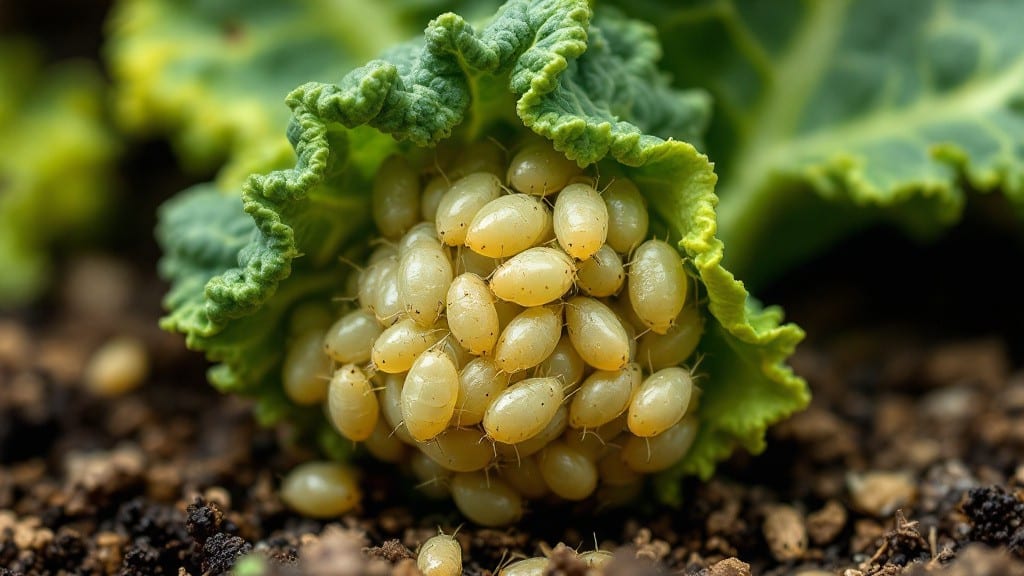
Tiny garden pests like aphids and thrips can turn your thriving plants into a chewed-up mess faster than you can say "organic spray." 🌱 I've battled these microscopic menaces for years, and the key isn't brute force—it's smart, humane traps that protect your plants without harming the ecosystem.
The right setup catches hundreds of pests before they become a full-blown infestation, and you won't need harsh chemicals to do it.
Most people reach for sprays first, but that kills beneficial insects too. Instead, I rely on sticky traps, yellow pans filled with soapy water, and pheromone traps that disrupt mating cycles. These methods work because they target the pests' behavior—not just their bodies.
You'll see results within days, with fewer pests and healthier plants that bounce back faster. The best part? These traps are reusable and cost pennies compared to chemical treatments.
Early signs of tiny pests include webbing on leaves, tiny black specks (frass), or leaves curling like they've been crimped. Catch them early, and you'll avoid stunted growth or plant death. My go-to setup—yellow traps near plants and pheromone dispensers—has kept my garden pest-free for entire growing seasons.
The traps themselves are invisible to humans but irresistible to pests, making them the ultimate stealth defense.
Works for any garden size, from patio containers to full backyard beds. Once you see how effective these traps are, you'll wonder why you ever used anything else. Here's how to set them up for maximum impact this season.
Root Causes Of Garden Invaders
Tiny garden pests don’t just appear out of nowhere—they’re drawn to your plants for specific reasons. Understanding these triggers is the first step to preventing infestations before they start.
Below, we break down the key factors that turn your garden into a buffet for unwanted critters, from soil conditions to human habits.
Healthy plants are naturally resistant to pests, but when they’re stressed, they become easy targets. Overcrowding reduces airflow, creating damp, shaded conditions that invite mites, aphids, and fungus gnats. Weak plants also lack the energy to fight off attacks, making them prime prey.
- Why it happens: Poor spacing, excessive watering, or nutrient deficiencies weaken plant defenses.
- Actionable fix:
- Space plants according to their mature size (check seed packets for guidelines).
- Prune regularly to improve airflow and sunlight exposure.
- Use compost or slow-release fertilizer to boost plant vitality.
Many tiny pests, like slugs, snails, and fungus gnats, thrive in soggy soil. Overwatering—or poorly draining containers—creates the perfect breeding ground. Even well-draining soil can become a problem if water pools after heavy rain.
- Why it happens:
- Clay-heavy soil retains too much water.
- Containers without drainage holes trap excess moisture.
- Mulch piled too thickly suffocates roots and holds dampness.
- Actionable fix:
- Test your soil’s drainage by digging a hole, filling it with water, and timing how long it takes to drain (ideal: <6 hours).
- Amend heavy soil with perlite or sand.
- Water deeply but infrequently—aim for 1 inch per week (adjust for climate).
Leaves, fallen fruit, and thick mulch layers aren’t just eyesores—they’re pest hideouts. Decaying matter attracts slugs, earwigs, and even rodents, while mulch piled too high can trap moisture and invite fungal pests like root-knot nematodes.
- Why it happens:
- Natural decomposition creates a microclimate for pests.
- Mulch acts as a bridge for crawling insects to reach plants.
- Compost piles (if too wet) can become breeding grounds for fungus gnats.
- Actionable fix:
- Remove fallen leaves and fruit promptly (especially citrus or tomato waste—pests love these!).
- Keep mulch 2–3 inches thick and at least 6 inches away from plant stems.
- Turn compost piles regularly to balance moisture and heat.
Some plants are like neon signs to pests. Soft-stemmed veggies (like lettuce or basil), fragrant herbs (such as mint or dill), and flowering plants (especially marigolds or nasturtiums) are magnets for aphids, whiteflies, and caterpillars. Even beneficial plants can backfire if overplanted.
Pro tip: 🌡️ Monitor which plants get hit hardest in your garden—this reveals your specific pest patterns!
- Why it happens:
- Sap-rich plants (e.g., squash, cucumbers) are aphid favorites.
- Herbs like cilantro or parsley attract whiteflies.
- Deadheading flowers removes pest eggs before they hatch.
- Actionable fix:
- Interplant repellent crops (e.g., basil near tomatoes deters whiteflies).
- Avoid planting large monocultures (e.g., rows of broccoli invite cabbage worms).
- Rotate crops yearly to disrupt pest life cycles.
Even the best-intentioned gardener can accidentally create a pest paradise. Bringing in infested plants, using contaminated tools, or ignoring early signs all play a role. For example, aphids can hitchhike on new nursery plants, while slugs are drawn to beer traps left too close to veggie beds.
- Why it happens:
- Buying already infested plants or seeds.
- Reusing pots or tools without sterilizing them (pests hide in soil residue!).
- Ignoring early signs (e.g., chewed leaves = slugs; sticky residue = aphids).
- Actionable fix:
- Inspect new plants for pests before bringing them home (quarantine for 2 weeks).
- Clean tools with 70% isopropyl alcohol or a 10% bleach solution between uses.
- Remove traps or bait stations after use—don’t leave them as pest attractants.
Quick Fixes for Common Garden Menaces
Tiny invaders don’t have to mean the end of your lush garden—with the right approach, you can outsmart them without harming your plants or the environment. Below are targeted solutions for the most common culprits, from sneaky slugs to voracious aphids.
Each fix includes step-by-step action and preventive strategies to keep your garden thriving long-term.
Cause: These mucus-covered pests leave telltale slime trails and ragged holes in leaves, especially after rain or at night.
Fix:
- 🔥 Beer Trap (Humane & Effective) Bury a shallow container (like a yogurt cup) filled with beer up to its rim. Slugs and snails are drawn to the yeast, crawl in, and drown—no harm to your plants or pets. Pro Tip: Refresh the beer every 2–3 days for maximum effectiveness. 🍺
- 🥗 Copper Barrier (Electrifying Defense) Slugs hate copper! Bend a copper tape (available at garden stores) around pots or raised beds. The slight electric charge repels them naturally. Pro Tip: Combine with diatomaceous earth (food-grade) around the base of plants for a double barrier. ✨
- 🌙 Hand-Picking at Night Grab a flashlight and a bucket of soapy water. Slugs are slow—collect them and release them far from your garden (or let birds enjoy a snack!).
Prevention: ✅ Mulch alternatives: Use gravel or pine needles instead of organic mulch, which attracts slugs. ✅ Water wisely: Water in the morning so soil dries faster, making it less inviting for slugs. ✅ Remove hiding spots: Clear dense debris and board piles where they lurk during the day.
Cause: These tiny green, black, or white bugs cluster on new growth, leaving behind a sticky residue (honeydew) that attracts mold and ants.
Fix:
- 💦 Blast Them Away Spray aphids directly with a strong stream of water from your hose. Repeat every few days until they’re gone. Pro Tip: Do this in the early morning so leaves dry quickly, preventing fungal growth. 🌞
- 🍋 Homemade Soap Spray (Non-Toxic) Mix 1 tbsp mild liquid soap (like castile soap) with 1 quart water in a spray bottle. Test on a small leaf first, then spray aphids thoroughly.
Reapply after rain. Pro Tip: Add a few drops of neem oil (1 tsp per quart) to deter future infestations. 🌿
- 🐞 Ladybugs & Lacewings (Nature’s Pest Control) Release beneficial insects like ladybugs or lacewing larvae (available online or at garden centers). They love eating aphids! Pro Tip: Plant dill, fennel, or marigolds to attract these helpful predators naturally. 🌼
Prevention: ✅ Encourage predators: Plant alyssum, cosmos, or yarrow to attract ladybugs and parasitic wasps. ✅ Inspect new plants: Quarantine newly purchased plants for 2 weeks to catch hitchhiking aphids early. ✅ Prune regularly: Remove heavily infested leaves and dispose of them in sealed bags.
Cause: These tiny white moth-like insects swarm when disturbed and weaken plants by sucking sap, often found on the undersides of leaves.
Fix:
- 🕯️ Yellow Sticky Traps Hang yellow sticky cards near infested plants. Whiteflies are drawn to the color and get trapped. Pro Tip: Place traps above the plant canopy for best results. 🎯
- 🌿 Neem Oil Spray (Knocks Them Out) Mix 1 tbsp neem oil + 1 tsp mild soap + 1 quart water. Spray both sides of leaves thoroughly. Repeat every 5–7 days. Pro Tip: Spray in the early evening to avoid harming bees. 🐝
- 💨 Fan Them Out Whiteflies are weak fliers. Place a box fan on low near the plant and watch them flutter away. Repeat daily until the population drops.
Prevention: ✅ Isolate infested plants: Keep them away from healthy ones to prevent spread. ✅ Use reflective mulch: White plastic mulch confuses whiteflies and reduces egg-laying. ✅ Encourage wasps: Parasitic wasps (like Encarsia formosa) lay eggs inside whitefly larvae—invite them with diverse plantings!
Cause: These microscopic red or yellow pests spin webs and cause stippling (tiny white dots) on leaves, thriving in hot, dry conditions.
Fix:
- 💦 Water Blast (First Line of Defense) Spider mites hate humidity. Wet the undersides of leaves daily with a hose or spray bottle to disrupt their life cycle. Pro Tip: Use a soft brush to dislodge webs before spraying. 🧹
- 🌿 Neem Oil or Insecticidal Soap Mix 1 tbsp neem oil + 1 tsp soap per quart of water. Spray every 3–4 days until mites disappear. Pro Tip: Add 1 tsp baking soda to the mix for extra effectiveness. 🍳
- 🕷️ Predatory Mites (Biological Control) Release phytoseiulus persimilis (beneficial mites) to hunt down spider mites. They’re tiny but mighty! Pro Tip: Keep your garden diverse—predatory mites thrive in environments with pollen and other small prey. 🌻
Prevention: ✅ Mulch to retain moisture: Spider mites love dry conditions—keep soil hydrated. ✅ Avoid over-fertilizing: Too much nitrogen attracts mites. Use balanced, organic fertilizers. ✅ Prune for airflow: Crowded plants trap heat and humidity—mites’ favorite conditions.
Keep these humane, DIY-friendly tools on hand for quick action:
- Magnifying glass (to identify pests accurately).
- Spray bottle (for homemade remedies).
- Sticky traps (for flying insects).
- Diatomaceous earth (food-grade, for crawling pests).
- Garden hose with nozzle (for water blasts).
Remember: The key to long-term success is prevention + quick action. Once you spot the first signs of tiny troublemakers, act fast—your plants will thank you! 🌱💚
Frequently asked questions
What are the most common tiny garden pests I should watch for?
The most troublesome tiny pests include aphids (tiny green/black bugs), whiteflies (tiny white moths), spider mites (microscopic red/yellow dots), and fungus gnats (small black flies). Slugs and snails also qualify as tiny troublemakers despite their size.
How do I know if my plants have a tiny pest problem?
Look for sticky residue (honeydew from aphids), tiny webs (spider mites), chewed leaves (slugs), or whiteflies swarming when you disturb plants. Check leaf undersides with a magnifying glass for early signs.
Are homemade remedies like soap spray safe for all plants?
Most plants tolerate mild soap sprays (like castile soap), but always test on a small leaf first. Avoid using soap on delicate plants like orchids or succulents, which can absorb soap and burn. Neem oil is safer for most plants.
Why do sticky traps work better in yellow?
Many tiny pests, like whiteflies and aphids, are attracted to yellow because it mimics the color of healthy plants. The traps exploit this behavior to lure pests away from your garden. Place them near infested plants for best results.
Can I reuse traps like sticky cards or beer traps?
Yes! Sticky cards can be wiped clean with rubbing alcohol and reused multiple times. Beer traps should be refreshed every 2-3 days with fresh beer. Both methods are cost-effective and eco-friendly.