
Flowers
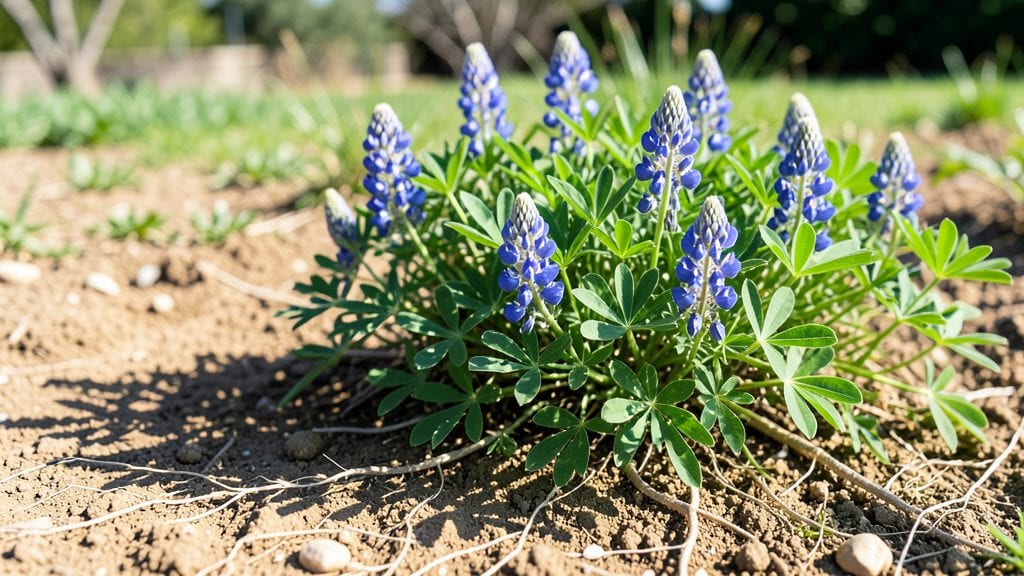
Texas flower gardening isn't about fighting the heat—it's about choosing the right plants that thrive when others wilt. After years of trial and error in my own backyard, I've learned which native blooms deliver season-long color with almost no maintenance once established.
The key is matching plants to your specific region, whether you're in the Hill Country's rocky soil or the Gulf Coast's humid air.
You'll need just three things to get started: a sunny spot (at least 6 hours of direct sun daily), well-draining soil, and a watering schedule that mimics Texas rains—deep but infrequent.
Native Texas flowers like blackfoot daisies, Mexican feathergrass, and Turk's cap don't just survive the heat; they flourish in it, requiring far less water than imported varieties. The right plant pairings create natural ecosystems that repel pests and attract pollinators without any extra work.
Imagine a garden that stays vibrant from early spring's bluebonnets through fall's salvias, with almost no deadheading or fertilizing. The colors shift beautifully—pinks and purples in spring, fiery reds and oranges in summer, and deep golds in autumn—while the fragrance fills the air even on the hottest days.
You'll end up with a landscape that looks intentional but feels effortless, exactly what Texas gardening should be.
This approach works everywhere in the state, from the Panhandle's alkaline soils to the Rio Grande Valley's tropical climate. The only real mistake is overcomplicating it—stick with natives, and your garden will reward you with zero-fuss beauty year after year.
📚 In This Guide
- What you need
- Instructions
- Tips and common mistakes
- Wrapping up and next steps
What you need
- ● Soil amendments: Compost (2–3 inches mixed into topsoil)
- ● Native Texas soil (or a blend with 50% compost)
- ● Mulch: 2–3 inches of organic mulch (pine bark or shredded leaves)
- ● Flower seeds/transplants: Drought-tolerant picks: Bluebonnets, Blackfoot Daisy, Lantana, Salvia, or Zinnias (choose 3–5 varieties)
- ● Quantity: 10–20 plants per square foot (or follow seed packet spacing)
- ● Basic tools: Garden trowel (for transplanting)
- ● Pruning shears (sharp, for trimming)
- ● Garden gloves (to protect your hands)
- ○ Optional (but helpful!): Hose with adjustable nozzle (for gentle watering)
- ● Soil pH tester (to check acidity/alkalinity)
- ● Drip irrigation kit (for hands-off watering)
- ● Sunlight: Full sun (6+ hours/day) for most Texas flowers
- ● Water access: Drought-resistant plants need deep watering 1–2x/week (not daily)
- ● Climate prep: Plant in fall or early spring to avoid peak Texas heat
- ● Local know-how: Check Wildflower Center for Texas-specific tips!
Instructions for Texas flower gardening: season-long color with zero-fuss planting
Here's how to create a vibrant, low-maintenance garden that thrives in Texas' heat and humidity.
Select Drought-Tolerant, Heat-Loving Annuals and Perennials
Texas' intense sun and dry spells demand flowers that drink less but still deliver bold color. I focus on native species like Mexican feather grass and blackfoot daisy, which handle our climate beautifully. For instant impact, add salvia, zinnia, and lantana—they bloom nonstop with minimal water once established.
Choose plants with silvery foliage like Texas bluebonnet or yarrow to reflect sunlight and reduce soil heat. These selections cut water needs by 30-50% while keeping your garden lush. Avoid fussy imports like impatiens—they wilt in Texas' heat within days.
Amend Soil for Better Drainage and Nutrient Retention
Texas soil often compacts into heavy clay, which suffocates roots and traps moisture. Loosen the top 12 inches with a broadfork, then mix in 3 inches of compost to improve structure. For containers, blend 50% native soil with 50% perlite to prevent soggy roots.
Test your soil's pH—most Texas natives prefer slightly acidic to neutral (6.0-7.0). If your soil tests alkaline, amend with sulfur or peat moss to help plants access nutrients. Mulch with 2-3 inches of shredded bark to lock in moisture and regulate temperature.
Plant in Late Winter to Avoid Peak Heat Stress
Timing is everything in Texas. Plant annuals in February or early March when soil warms but air remains mild. Perennials can go in October or November to establish roots before summer. Space plants 12-18 inches apart—crowding leads to fungal issues in our humid summers.
Water deeply at planting to settle soil around roots, then let the top 2 inches dry out before watering again. Overwatering now drowns tender roots. Use drip irrigation or soaker hoses to deliver moisture directly to roots without wetting foliage, which reduces disease risk.
Water Deeply and Infrequently to Encourage Deep Roots
Texas gardens thrive on deep, infrequent watering. Aim for 1-1.5 inches per week, delivered in one long session rather than daily sprinkles. Water in the early morning to minimize evaporation and fungal growth. Let the soil dry between waterings—most Texas natives hate soggy feet.
Check moisture by digging 2 inches down—if the soil feels dry, it's time to water. Once plants establish (after 4-6 weeks), they'll need water only every 10-14 days, depending on rain. Mulch helps retain moisture and keeps roots cool.
Deadhead and Prune for Continuous Blooms
Regular pruning keeps Texas flowers blooming longer. Snip spent blooms just above the next set of leaves to encourage new growth. For salvia and zinnia, cut back one-third in early summer to promote a second flush of flowers before fall.
Remove any yellow or diseased leaves immediately—Texas' humidity turns minor issues into major problems fast. Prune in the early morning when plants are hydrated and temperatures are cooler. Avoid heavy pruning in peak heat, which stresses plants.
Tips & tricks for perfect Texas flower gardening
A few strategic moves will help you avoid common pitfalls and create a garden that thrives year-round with minimal effort. Here's what I've learned from years of growing in Texas' challenging climate.
Plant Selection Strategy: When choosing your drought-tolerant species in Step 1, prioritize plants with different bloom times. For example, pair early bloomers like Mexican feather grass with mid-season salvia and late-season lantana. This creates continuous color without gaps. I also recommend adding yarrow and blackfoot daisy to your mix—they're native workhorses that handle our heat beautifully while attracting pollinators.
Soil Preparation Secret: In Step 2, don't just amend the top 3 inches of soil—focus on breaking up compaction down to the full 12-inch depth mentioned. Use a broadfork to loosen clay soil in sections, then mix in compost. For containers, I've found that using 60% native soil and 40% perlite creates even better drainage than the 50/50 ratio suggested, especially in our heavy clay areas. The key is preventing waterlogging while maintaining nutrient retention.
Timing Precision: The February-March planting window in Step 3 is critical for annuals, but don't be rigid about dates. Monitor your local weather—plant when soil temperatures reach 60°F at 4 inches deep, even if that means waiting until mid-March. For perennials, I've had great success planting in late November if we get an early cold snap, as the roots establish better with cooler soil temperatures before summer heat arrives.
Watering Technique: When implementing the deep watering method in Step 4, use a rain gauge to measure exactly 1-1.5 inches of water per week. I place my gauge in the garden to track accumulation from both irrigation and rain. For new plantings, consider using oasis soaker hoses instead of drip irrigation—they deliver water more evenly to the root zone while keeping foliage dry, which is crucial in our humid summers.
Pro Tips for Texas Flower Gardening
- A few strategic moves will help you avoid common pitfalls and create a garden that thrives year-round with minimal effort.
- Plant Selection Strategy: When choosing your drought-tolerant species in Step 1, prioritize plants with different bloom times.
- Soil Preparation Secret: In Step 2, don't just amend the top 3 inches of soil—focus on breaking up compaction down to the full 12-inch depth mentioned.
Frequently asked questions
Got questions about keeping your Texas flower garden thriving with minimal effort? Here are some of the most common concerns—and their solutions!
What are the best low-maintenance flowers for Texas gardens?
Opt for native Texas beauties like Blackfoot Daisy, Mexican Feather Grass, or Lantana. These drought-tolerant picks need little water once established and thrive in Texas heat. Salvia and Zinnias are also great choices—they bloom nonstop with minimal care!
When is the ideal time to plant flowers in Texas?
For spring blooms, plant in late winter to early spring (Feb–March) after the last frost. Fall planting (Sept–Oct) is ideal for perennials and bulbs, giving roots time to establish before winter. Avoid summer planting—heat stress can stunt growth. Pro tip: Check your local frost dates for precision!
How often should I water my Texas flower garden?
Water deeply 2–3 times per week in summer (early morning is best) and taper to once a week in cooler months. New plants need more frequent watering, but native species (like Bluebonnets) often thrive with rainfall alone once established. Mulch helps retain moisture—just 2–3 inches does the trick!
What pests should I watch for in Texas flower gardens?
Keep an eye out for aphids, spider mites, and whiteflies—they love Texas heat! Neem oil or insecticidal soap works well for mild infestations. Ladybugs and lacewings are natural predators—invite them with dill or fennel plants! For tougher pests like deer, try deer-resistant varieties like Lantana or Texas Sage.
How do I protect flowers from Texas heat and drought?
Choose heat-tolerant varieties (e.g., Portulaca, Gaillardia) and water at the roots, not the leaves, to reduce evaporation. Shade cloth (30–50%) can help delicate blooms, and mulching locks in moisture. Group plants by water needs—succulents with succulents, thirsty blooms together—to streamline care!
Can I grow flowers in containers in Texas?
Containers work great for Petunias, Vinca, or Coleus—just use well-draining soil and large pots (at least 12 inches deep). Place them in partial shade to protect from scorching. Self-watering pots are a game-changer for busy gardeners!
Wrapping up and next steps
Texas flower gardening doesn’t have to be complicated—just rewarding! With the right zero-fuss plants and a little seasonal know-how, you can enjoy vibrant blooms year-round, even in the Lone Star State’s unique climate.
Whether you’re a beginner or a seasoned gardener, start small, experiment, and let your garden shine with minimal effort.
Ready to dive in? Pick one plant from this guide and give it a try this week—your future garden (and pollinators!) will thank you. 🌸🌻