
Tools
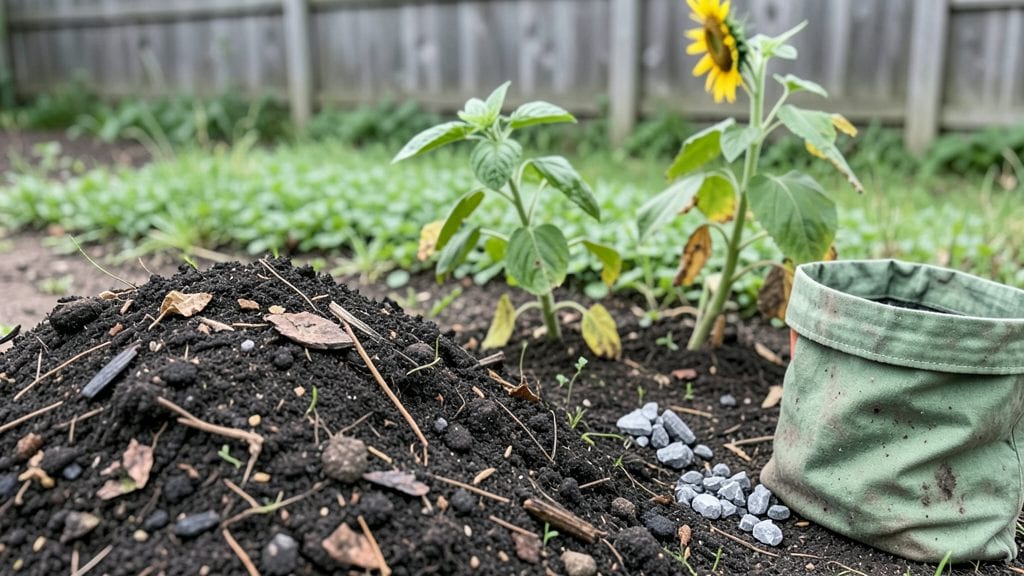
My first sustainable garden supplies purchase changed how I garden forever—no more plastic pots or synthetic fertilizers clogging landfills. The right tools don’t just grow plants; they nurture the soil, save water, and keep ecosystems thriving while you work.
I swapped disposable trays for seed-starting pots made from coconut coir, and my seedlings now transplant with zero shock because the roots stay intact.
You don’t need to break the bank or hunt for obscure brands. Start with basics like recycled containers, bamboo stakes, and organic mulch—all available at garden centers or even your local hardware store’s eco-section. My favorite find?
A solar-powered watering timer that cuts my electric bill by $20 a year while keeping plants hydrated exactly when they need it. Even homemade compost tea replaces chemical fertilizers, and the process takes 10 minutes once you get the hang of it.
What you’ll notice first is healthier soil—dark, crumbly, and teeming with life instead of compacted and chemical-laden. Plants grow faster, resist pests better, and produce food that’s more nutritious because the whole ecosystem works together.
Plus, your garden becomes a magnet for pollinators, turning a simple yard into a thriving mini-ecosystem.
This approach works for any space, from urban balconies to rural homesteads. The key is starting small—maybe one sustainable swap at a time—and letting those changes inspire bigger shifts. Ready to see what your garden can grow when you support it the right way?
📚 In This Guide
- What you need
- Instructions
- Tips and common mistakes
- Wrapping up and next steps
What you need
- ● Compost: 5–10 gallons (homemade or store-bought, certified organic)
- ● Organic Mulch: 2–3 yards (cedar, straw, or wood chips)
- ● Seedlings or Seeds: Native or heirloom varieties (quantities based on garden size)
- ● Rain Barrels: 1–2 (55-gallon capacity, for water conservation)
- ● Sustainable Soil Amendments: Worm castings (1–2 pounds)
- ● Seaweed fertilizer (1–2 gallons, liquid or granular)
- ● Hand Tools: Bypass pruners (ergonomic, stainless steel)
- ● Trowel (stainless steel, 4–6 inches)
- ● Garden fork (heavy-duty, 18–24 inches)
- ● Watering Solutions: Drip irrigation kit (adjustable flow, 50–100 ft. length)
- ● Watering can (5–10 gallons, with rose attachment)
- ● Protective Gear: Knee pads (gel or foam, for comfort)
- ● Gloves (breathable, organic cotton or biodegradable)
- ● Solar-Powered Lights: 2–4 (for evening ambiance and pest deterrence)
- ● Bee & Butterfly Houses: 1–2 (to support pollinators)
- ● Reusable Fabric Row Covers: 1–2 (for frost protection or pest control)
- ● DIY Compost Bin: Wooden or wire mesh (3–5 cubic feet)
- ● Seed Saving Kits: Paper envelopes or glass jars (for preserving heirloom seeds)
How to select and use sustainable garden supplies for natural plant growth
Building a garden that thrives without synthetic inputs starts with the right tools—here’s how to choose and use them effectively.
Prioritize Organic Soil Amendments for Nutrient-Rich Foundation
Skip chemical fertilizers and opt for compost instead. A 2-3 inch layer of finished compost mixed into the top 12 inches of soil replenishes organic matter while improving water retention. I always test soil pH first—most vegetables prefer 6.0-7.0, while blueberries thrive in 4.5-5.5. Adjust with crushed eggshells for alkalinity or pine needles for acidity if needed.
Compost tea brewed from 1 part compost to 5 parts water (steeped for 3-5 days) provides liquid nutrients without synthetic runoff. Apply this weekly during active growth to support microbial activity in the soil. The key is patience—organic matter breaks down slowly, so amending soil annually keeps it fertile naturally.
Use Mulch to Conserve Water and Suppress Weeds
Spread 2-4 inches of organic mulch—like shredded leaves, straw, or wood chips—around plants to lock in moisture and block weeds. I prefer 3 inches for annuals and 4 inches for perennials, as deeper mulch insulates roots during temperature swings. Avoid plastic mulch; it traps heat and suffocates soil life.
Replenish mulch seasonally—spring after rains and fall before frost—to maintain coverage. Over time, mulch decomposes, adding nutrients back to the soil. Watch for signs of decomposition (darkening mulch, earthy scent) as a cue to refresh. This method cuts water use by 30-50% while reducing tillage needs.
Choose Hand Tools Made from Durable, Natural Materials
Invest in tools with stainless steel or bamboo handles and carbon steel blades—they resist rust and last decades. I’ve used the same bamboo-handled pruners for over 10 years without replacement. Avoid plastic tools; they degrade quickly and leach microplastics into the soil.
Keep blades sharp with a stone whetstone (not electric sharpeners) to make clean cuts that heal faster. Store tools in a dry, shaded area to prevent warping. A well-maintained toolset reduces soil compaction and minimizes the need for synthetic pesticides by enabling precise, healthy pruning.
Implement Companion Planting to Reduce Pests Naturally
Design planting schemes where marigolds deter nematodes, basil repels flies, and nasturtiums confuse aphids. I pair tomatoes with basil and onions to improve flavor and reduce blight. Research companion pairings for your climate—some combinations vary by region.
Rotate crops annually to disrupt pest life cycles and prevent soil depletion. Keep a planting journal to track which pairings work best in your garden. This approach eliminates the need for chemical sprays while boosting biodiversity.
Collect Rainwater for Irrigation
Set up 55-gallon barrels with fine mesh screens to capture rainwater from gutters. I place mine under downspouts near the garden to minimize hose use. Rainwater lacks chlorine and minerals that tap water introduces, making it ideal for plants.
Use the collected water for deep irrigation at the base of plants during dry spells. Avoid overhead watering to prevent fungal diseases. A 5-gallon watering can with a rose attachment helps distribute rainwater evenly. This method conserves municipal water and keeps plants healthier by mimicking natural rainfall patterns.
Tips & tricks for sustainable garden supplies
A few strategic approaches will help you maximize the effectiveness of your eco-friendly garden tools and create a thriving, chemical-free garden.
Soil Testing and Adjustment: Before amending your soil, conduct a simple pH test using a home kit or send a sample to your local cooperative extension service. I've found that most garden centers sell affordable test kits, and knowing your exact pH allows for precise adjustments. For example, if your soil tests at 5.5, you'll need to add more crushed eggshells to raise the pH to the ideal 6.0-7.0 range for vegetables. This precision prevents over-amending, which can disrupt soil microbial balance.
Compost Tea Application Technique: When brewing compost tea from the recommended 1 part compost to 5 parts water ratio, use a breathable bag or cheesecloth to contain the compost rather than leaving it loose in the water. This creates a more concentrated nutrient solution while preventing clogging. I steep mine for exactly 3-5 days, stirring daily to maintain oxygen levels. Apply this tea in the early morning or late evening to prevent rapid evaporation and maximize nutrient uptake by your plants.
Mulch Layering Strategy: The depth of your mulch matters more than you might think. For annuals, maintain that 3-inch layer consistently around the plant base, but create a slight depression in the center to prevent water pooling. For perennials, the 4-inch layer should extend out to the drip line of the plant's mature size. I've noticed that properly layered mulch not only conserves water but also creates a microclimate that protects roots from extreme temperature fluctuations, which is particularly beneficial in regions with hot summers or cold winters.
Tool Maintenance Routine: Establish a quarterly maintenance schedule for your garden tools. After each gardening session, wipe blades with a damp cloth to remove soil and debris, then apply a thin layer of food-grade mineral oil to prevent rust. I store my tools in a dedicated wooden rack in a dry, shaded garage area. This simple routine extends the life of your tools and ensures they're always ready for precise, healthy pruning when needed.
Pro Tips for Sustainable Garden Supplies
- A few strategic approaches will help you maximize the effectiveness of your eco-friendly garden tools and create a thriving, chemical-free garden.
- Soil Testing and Adjustment: Before amending your soil, conduct a simple pH test using a home kit or send a sample to your local cooperative extension service.
- This creates a more concentrated nutrient solution while preventing clogging.
Frequently asked questions
Got questions about sustainable garden supplies?
You’re not alone! Here are answers to the most common queries to help you make eco-friendly choices for your green space.
What are the best sustainable alternatives to plastic garden pots?
Opt for biodegradable or recycled materials like coconut coir pots, terracotta, or seed paper pots. These break down naturally and reduce waste. For long-term use, try reusable ceramic or metal containers—just ensure they’re free of toxic coatings!
How long do sustainable garden tools last compared to conventional ones?
High-quality sustainable tools (e.g., bamboo handles, recycled metal) often last longer than cheap plastic or treated wood alternatives. With proper care—like oiling metal blades and storing them dry—they can outlast conventional tools by years while staying eco-friendly.
Are sustainable garden supplies more expensive upfront?
Yes, some sustainable options (like organic mulch or heirloom seeds) may cost more initially, but they save money long-term. For example, compost reduces fertilizer costs, and durable tools cut replacement expenses. Start with small swaps—like reusable cloth bags for soil—to ease into budget-friendly sustainability.
Can I DIY sustainable garden supplies at home?
Try making compost bins from pallet wood, seedling markers from recycled cardboard, or mulch from yard waste. Even repurposing old containers (like tin cans for seed starters) works. Check local recycling centers for free materials too!
What should I avoid when buying “eco-friendly” garden supplies?
Watch for greenwashing—some products claim to be sustainable but contain hidden plastics or synthetic dyes. Always check for certifications like FSC (Forest Stewardship Council) for wood or USDA Organic for soil amendments. When in doubt, choose local, unprocessed materials!
Still curious? Drop your questions in the comments—we’re happy to help you garden greener!
Wrapping up and next steps
Creating a sustainable garden isn’t just about the plants—it’s about the tools and supplies you use to nurture them! By choosing eco-friendly garden supplies, you’re reducing waste, conserving resources, and fostering healthier soil and growth.
Every small step, from compostable pots to reusable tools, makes a big difference for the planet and your garden’s success.
Ready to take the next step? Start by swapping out just one non-sustainable item in your garden toolkit this season—your plants (and the Earth!) will thank you. Happy gardening! 🌱💚