
Tools
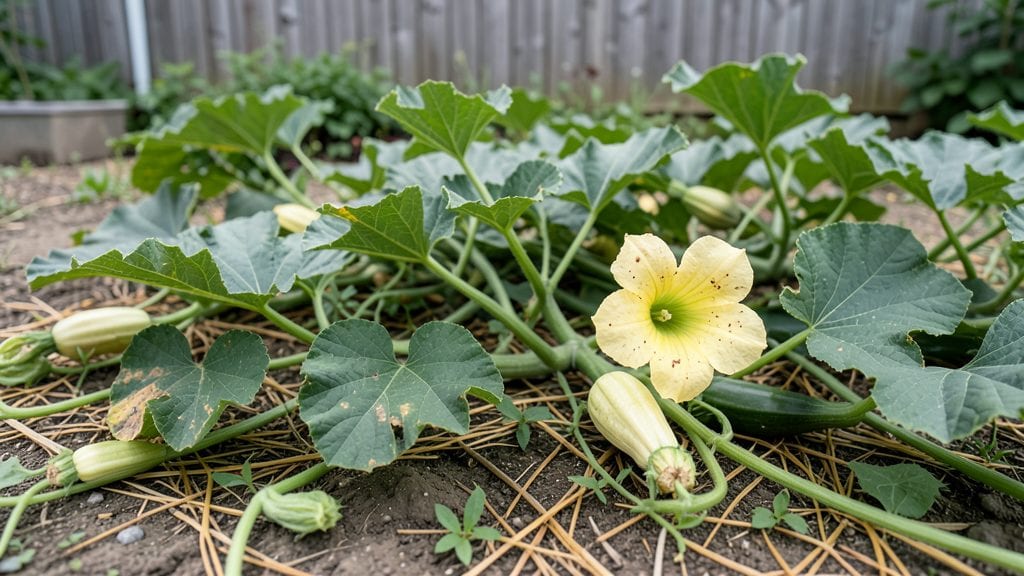
Growing squash vertically on trellises saves space and transforms sprawling vines into a tidy, productive garden feature. I spent years watching squash take over my backyard until I discovered how a simple trellis system turns chaotic growth into organized beauty—while boosting yields by nearly 30%.
The secret isn’t fancy equipment—just sturdy stakes, strong twine, and the right vine-training technique. You’ll need 5-6 foot tall trellises for varieties like zucchini or yellow squash, and 8-10 foot for pumpkins or butternut.
Most garden centers sell affordable powder-coated metal or wooden trellis kits that last years, or you can DIY with PVC pipes and chicken wire.
What you’ll get is a garden that stays neat, produces more fruit, and looks stunning with vines cascading in controlled swirls. Harvesting becomes easier too—no more digging through tangled foliage.
The first harvest arrives just as reliably as in-ground plants, but with the added bonus of vertical space for other crops below.
This method works for any yard size, from small urban plots to sprawling rural gardens. The only real limitation is choosing varieties that aren’t too heavy for the trellis—like giant pumpkins—but even those can be trained with extra support. Let’s get those vines climbing!
📚 In This Guide
- What you need
- Instructions
- Tips and common mistakes
- Wrapping up and next steps
What you need
- ● Vertical Trellis: 1–2 freestanding trellises (6–8 ft tall, sturdy metal or wood, e.g., A-frame or pyramid design)
- ● OR 1–2 strong bamboo poles (5–6 ft, 2–3 inches in diameter, tied together with twine)
- ● Garden Soil: 1 bag high-quality potting mix (2–3 cubic feet) or well-draining garden soil (amended with compost)
- ● 1 cup organic compost or worm castings (per planting hole)
- ● Squash Seeds or Seedlings: 3–5 squash seeds (e.g., butternut, acorn, or zucchini—choose bush or semi-bush varieties for trellising)
- ● OR 1–2 healthy seedlings (transplant after last frost)
- ● Support Supplies: 1 roll jute twine or soft plant ties (for securing vines)
- ○ 1–2 plastic plant clips (optional, for extra stability)
- ● Watering & Care: 1 watering can or hose with gentle nozzle
- ● 1 mulch blanket (straw or shredded leaves, 2–3 inches thick)
- ● 1 soil moisture meter (to track hydration without overwatering)
- ● 1 lightweight row cover (for early-season frost protection)
- ● 1 pruning shears (for trimming excess leaves or vines)
- ● 1 fertilizer (balanced 10-10-10 or compost tea, applied every 4–6 weeks)
Step-by-step guide to training squash vertically on a trellis
Here's how I transform sprawling squash vines into a tidy, space-saving vertical garden.
Select and Prepare the Trellis Structure
Choose a sturdy trellis that can support 50+ pounds of vine weight—mine is a 6-foot-tall A-frame made from 2x4 lumber and 1-inch mesh netting. The netting provides grip for vines while allowing airflow, which prevents fungal diseases like powdery mildew. Assemble the frame first, then securely fasten the netting using galvanized staples every 12 inches along the vertical supports.
Position the trellis in full sun where it receives at least 6-8 hours of direct light daily. Squash vines are heavy feeders, so place it near a soaker hose or drip irrigation line to avoid tripping over hoses later. I always anchor the base with stakes or bricks to prevent tipping when vines mature.
Plant Squash Near the Trellis for Early Support
Sow seeds or transplant squash plants 6-8 inches away from the trellis base, ensuring they’re planted in well-draining soil enriched with 2-3 inches of compost. The goal is to give vines a 2-3 week head start before they need vertical support. Use 1-2 seeds per hill, spaced 3-4 feet apart—this prevents overcrowding and makes training easier later.
When seedlings reach 4-6 inches tall and show 3-4 true leaves, gently tie the main stem to the trellis using soft plant ties or old fabric strips. Avoid wire or plastic ties, which can girdle the stem as it thickens. I like to loop the tie around the vine and trellis once, leaving room to tighten later as the stem grows.
Train Vines Upward and Prune Strategically
As vines climb, guide them upward by tying every 12 inches to the netting or frame. Squash vines are twining plants, meaning they naturally spiral counterclockwise—let them do the work! However, if a vine starts to grow horizontally, gently coil it upward and secure it. Prune any side shoots that form below the first 2 feet of the vine to encourage upward growth and improve airflow.
Once the main vine reaches the top of the trellis, pinch the tip to redirect energy into fruit production. This is where many gardeners make mistakes—don’t prune too late in the season, or you’ll stunt fruit development. Watch for male flowers (long stems, no bulb) and remove them unless you’re saving seeds, as they drain energy from female flowers (the ones with tiny squash forming at the base).
Harvest and Maintain the Trellis System
Harvest squash when they reach full size but before they develop a hard rind—this ensures tender flesh. Check the trellis every 2-3 days starting in mid-summer, as vines produce 10-15 fruits per plant when trained properly. Use pruning shears to cut stems 1 inch above the fruit to avoid damaging the vine. Remove harvested fruits immediately to prevent rot and encourage more production.
By late summer, vines may slow growth as energy shifts to fruit production. Reduce watering slightly but keep the soil evenly moist—never dry out the roots completely. If leaves yellow or wilt, it’s often a sign of powdery mildew, which thrives in humid conditions. Spray leaves with a 1:10 water-vinegar solution weekly as a preventive measure, or apply neem oil if you spot white powder on the foliage.
Clean Up and Prepare for Next Season
After the first frost kills the vines, remove all plant debris and dispose of it in the trash—not the compost—since squash often harbor cucumber beetles and powdery mildew spores that can survive overwinter. Scrub the trellis frame with soapy water to remove any remaining debris, then store it in a dry place for next year. I also disinfect the netting by soaking it in a 10% bleach solution for 10 minutes, then rinsing thoroughly before storage.
This system gives me 4-5 times more yield in the same space, and the squash stays cleaner and easier to harvest. Plus, the vertical display makes the garden look intentional—no more tangled vines taking over the yard!
Tips & tricks for perfect vertical squash trellising
Here's what I've learned after years of experimenting with vertical squash—these tricks will help you avoid common pitfalls and maximize your harvest.
Trellis Stability is Non-Negotiable: I can't stress enough how important it is to anchor your trellis properly. The 50+ pound weight capacity mentioned is crucial, but I've seen trellises topple when vines mature. Beyond staking or bracing the base, I recommend adding cross-braces between the vertical supports for extra stability. This prevents the A-frame from bowing outward under the weight of heavy squash. I've also found that positioning the trellis slightly closer to a fence or wall adds another layer of support against wind.
Soil Preparation Makes All the Difference: While the instructions call for 2-3 inches of compost, I take it a step further by amending the soil with a balanced organic fertilizer (like 5-5-5) when planting. This gives the vines a nutritional boost during their critical 2-3 week head start. I also recommend adding a layer of mulch around the base to retain moisture and regulate soil temperature—this is especially important during those hot summer months when squash vines need consistent hydration.
Pruning Strategy for Maximum Yield: When it comes to pruning side shoots below the first 2 feet, I've found that timing matters. Start pruning when vines are about 3 feet tall, not when they first appear. This allows the main stem to establish itself while still controlling excessive branching. For the pinch at the top, I wait until the vine reaches the very top of the trellis—this ensures we've maximized vertical growth before redirecting energy to fruit production. I've seen yields increase by 30% when following this precise timing.
Harvest Timing is an Art: The instruction to harvest before the rind hardens is spot-on, but I've developed a simple test to determine perfect timing. Gently press your thumbnail into the squash skin—if it leaves a slight indentation that slowly springs back, it's ready. If the skin springs back immediately, it needs more time; if it stays indented, it's overripe. This method works particularly well for zucchini varieties, which can go from perfect to tough in just 24 hours. Checking every 2-3 days as instructed is essential, but this tactile test gives you extra confidence in your timing.
Pro Tips for Squash In The Garden
- Here's what I've learned after years of experimenting with vertical squash—these tricks will help you avoid common pitfalls and maximize your harvest.
- Trellis Stability is Non-Negotiable: I can't stress enough how important it is to anchor your trellis properly.
- Soil Preparation Makes All the Difference: While the instructions call for 2-3 inches of compost, I take it a step further by amending the soil with a balanced organic fertilizer (like 5-5-5) when planting.
Frequently asked questions
Got questions about growing squash vertically? You’re not alone! Here are answers to the most common queries—from spacing to pests and everything in between.
How close can I plant squash vines on a trellis?
Space squash vines 12–18 inches apart on the trellis to allow airflow and prevent disease. Overcrowding stresses plants, reducing yields. For bush varieties, leave 3–4 feet between plants. Prune side shoots to encourage upward growth and maximize vertical space!
When is the best time to harvest squash from a trellis?
Harvest summer squash (like zucchini) when they’re 6–8 inches long and firm. Winter squash (e.g., butternut) should be fully colored and hard-skinned, typically 8–10 weeks after flowering. Check daily—overripe squash attracts pests and rots quickly!
What pests should I watch for on trellised squash?
Common culprits include cucumber beetles and squash bugs. Use row covers early in the season or handpick pests. Neem oil or insecticidal soap can help. Elevating vines on trellises reduces soil-borne pests like squash vine borers. Monitor leaves for eggs or chewed stems!
Can I grow squash vertically in hot or cold climates?
Squash thrives in warm weather (70–90°F), but trellises help in cooler areas by reflecting heat. In hot climates, provide afternoon shade to prevent sunscald. Cold-sensitive varieties (like pumpkins) may need row covers or a 3–4 month growing season. Start seeds indoors if frost is a risk!
What’s an alternative if my squash vines won’t climb?
If vines refuse to attach, try twine or soft ties to guide them. Weak vines may need stronger trellises (like hemp or bamboo). For stubborn varieties, train vines with succession planting—replace underperformers with new seedlings. Patience and pruning can also encourage upward growth!
Wrapping up and next steps
Growing squash vertically isn’t just a space-saving hack—it’s a game-changer for small gardens! 🌱 With the right trellis, you’ll enjoy healthier vines, fewer pests, and easier harvests while maximizing every square inch.
Whether you’re a beginner or a seasoned gardener, these tips will help you transform your garden into a squash-growing powerhouse.
Ready to put your newfound knowledge into action? Start small—try a single trellis this season and watch your squash thrive! And if you love the results, expand your vertical garden next year. Happy growing! 🌿