
Pests
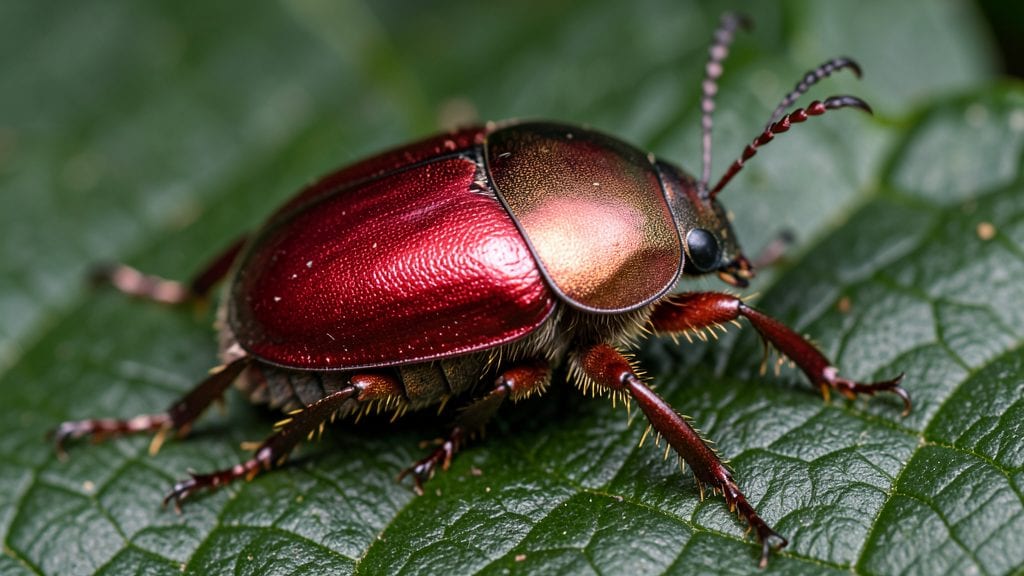
The red beetle garden starts with a simple barrier that keeps pests from ever reaching your potatoes and tomatoes. I learned this trick after watching my entire crop get devoured by striped beetles last summer—until I planted a ring of marigolds around the edge.
The bright flowers act as a natural repellent, confusing beetles and luring them away from your prized plants.
This method works best when you combine it with other tricks: handpick beetles early in the morning, use neem oil on affected leaves, and rotate crops yearly to break their life cycle.
The key is acting fast—once those yellow-and-black larvae appear, you’re already behind. My garden stayed beetle-free all season after implementing these steps.
You’ll notice fewer chewed leaves within a week, and your plants will grow stronger without chemical damage. The marigolds even add color to your garden while doing double duty as pest control. For best results, plant them in a 3-foot-wide band around vulnerable crops.
This works for Colorado potato beetles, red beetle larvae, and even Mexican bean beetles. The same approach protects eggplants and peppers too—just expand the marigold barrier. Early intervention is everything, so don’t wait until you see damage to act.
Root Causes Of Beetle Attraction
If your garden has become a hotspot for beetles—especially the red beetle variety—understanding the underlying reasons is key to creating an effective natural defense. These insects don’t invade randomly; they’re drawn by specific conditions in your garden. Below, we break down the science-backed triggers and why they happen.
Beetles, including many species of red beetles, are attracted to gardens where organic material is breaking down. This includes:
- Fallen fruit: Overripe tomatoes, squash, or berries release sugars and alcohols that signal food to beetles.
- Dead leaves and mulch: As leaves decompose, they emit volatile organic compounds (VOCs) that beetles detect from afar.
- Compost piles: While compost is great for soil, an unmanaged pile can become a beetle breeding ground due to moisture and decay.
Why it happens: Beetles rely on scent trails to locate food sources. Decaying plant matter releases ethyl acetate and other esters, which mimic the scent of fermenting fruit—an irresistible cue for beetles.
Actionable fix: Regularly clear fallen fruit and leaves. Turn compost frequently to reduce moisture buildup and discourage beetle activity.
Red beetles thrive in damp conditions because moisture:
- Softens soil, making it easier for larvae to burrow.
- Encourages fungal growth, which some beetle species feed on.
- Creates ideal humidity levels for egg-laying.
Why it happens: Beetles like the red sunflower seed weevil or colorado potato beetle larvae require high moisture to survive. Overwatering or poor drainage turns your garden into a beetle buffet.
Actionable fix:
- Improve drainage by amending soil with perlite or sand.
- Avoid watering at night to reduce humidity around plants.
- Use drip irrigation instead of overhead sprinklers to keep foliage dry.
Beetles often overrun gardens when their predators—like birds, ladybugs, or ground beetles—are missing. This imbalance happens due to:
- Pesticide use: Chemicals kill both pests and their natural enemies.
- Monoculture planting: Large patches of a single plant (e.g., potatoes or sunflowers) attract beetles in swarms but offer no habitat for predators.
- Urbanization: Fewer wildflowers and hedgerows mean fewer insects that prey on beetles.
Why it happens: Beetles reproduce quickly, but their populations are usually kept in check by parasitoid wasps, spiders, and birds. Remove these predators, and beetles multiply unchecked.
Actionable fix:
- Plant diverse pollinator-friendly flowers (e.g., marigolds, alyssum) to attract predator insects.
- Install birdhouses or bat boxes to encourage natural pest control.
- Avoid broad-spectrum pesticides; opt for neem oil or kaolin clay instead.
Some beetles target particular plants because they’ve evolved to feed on them. For example:
| Beetle Type | Attracted To | Why? |
|---|---|---|
| Colorado Potato Beetle | Potatoes, tomatoes, eggplants | Larvae feed on solanine, a compound in nightshade plants. |
| Red Sunflower Seed Weevil | Sunflowers, safflower | Adults lay eggs in flower buds, where larvae consume seeds. |
| Japanese Beetle | Roses, grapes, beans | Adults are drawn to volatile organic compounds (VOCs) like linalool in roses. |
Why it happens: Beetles use pheromones and plant scent receptors to locate their preferred hosts. If your garden is a buffet of their favorite meals, they’ll stay—and multiply.
Actionable fix:
- Rotate crops annually to disrupt beetle life cycles.
- Use row covers early in the season to block adult beetles from laying eggs.
- Plant trap crops (e.g., nasturtiums for aphids) to divert beetles away from prized plants.
Beetles seek out gardens with:
- South-facing exposure: Warmer soil speeds up larval development.
- Dense foliage: Provides shade and moisture retention.
- Rocky or wooded edges: Offers hiding spots for adults.
Why it happens: Beetles are ectothermic, meaning they rely on external heat to become active. Gardens with consistent warmth (70–85°F) accelerate their life cycle, leading to faster reproduction.
Actionable fix:
- Thin out dense plantings to reduce humidity and sunlight trapping.
- Use light-colored mulch (e.g., straw) to reflect heat instead of absorbing it.
- Install windbreaks strategically to avoid creating stagnant, beetle-friendly zones.
Practical Ways to Manage Beetle Infestations
Now that you understand the causes behind beetle invasions in your garden, let’s tackle the solutions—naturally and effectively. Whether you’re dealing with Japanese beetles, Colorado potato beetles, or other garden pests, these methods will help you reclaim your space without harsh chemicals.
Below, we’ve mapped out cause-specific fixes, along with prevention tips to keep your garden thriving long-term.
Problem: Beetles thrive where plants are weak or overcrowded, making them easier targets.
Fix:
- 🌱 Prune and Thin Plants: Remove overgrown or diseased foliage to improve airflow and reduce hiding spots. Thin dense plantings to allow sunlight to reach the soil.
- 💧 Water Deeply but Less Often: Beetles love stressed plants. Water at the base early in the morning to encourage strong root growth and deter pests.
- 🌿 Use Companion Planting: Interplant with marigolds, basil, or catnip—their strong scents repel beetles naturally.
Prevention Tip: > 💡 Pro Tip: Rotate crops annually to prevent soil depletion and weaken beetle populations over time.
Problem: Rotting fruit, fallen leaves, or compost piles create a beetle buffet.
Fix:
- 🗑️ Remove Debris Immediately: Clear away fallen fruit, rotting vegetables, and leaf litter from your garden beds.
- 🍎 Harvest Promptly: Pick fruits and vegetables as soon as they ripen to avoid attracting beetles.
- 🌡️ Maintain Clean Compost: Turn compost piles regularly and avoid adding meat or dairy, which can attract pests.
Prevention Tip: > ✨ Quick Fix: Spread diatomaceous earth (food-grade) around the base of plants—it’s a natural desiccant that kills beetles on contact.
Problem: Without predators like birds, ladybugs, or parasitic wasps, beetle populations explode.
Fix:
- 🐦 Install Birdhouses & Feeders: Birds like robins, starlings, and sparrows devour beetle grubs and adults.
- 🐞 Encourage Beneficial Insects: Plant dill, fennel, or yarrow to attract ladybugs and lacewings, which prey on beetles.
- 🌿 Avoid Broad-Spectrum Pesticides: These kill beneficial insects too. Stick to neem oil or insecticidal soap for targeted treatment.
Prevention Tip: > 🎯 Long-Term Strategy: Plant a pollinator-friendly border around your garden to sustain a healthy ecosystem.
Problem: Poor soil quality makes plants more susceptible to beetle damage.
Fix:
- 🌱 Test Your Soil: Use a home test kit to check pH and nutrient levels. Amend with compost or organic fertilizer to boost plant resilience.
- 🍃 Use Mulch: A 3-inch layer of straw or wood chips suppresses weeds (which attract beetles) and retains moisture.
- 💪 Feed Plants Regularly: A balanced fish emulsion or worm castings can fortify plants against pests.
Prevention Tip: > 🔥 Hot Tip: Beetle traps with pheromones (like those for Japanese beetles) can reduce mating success—place them away from your garden to avoid luring more beetles in.
Problem: Waiting too long lets beetles multiply and devastate plants.
Fix:
- 🔪 Handpick Beetles Early: Drop them into soapy water (1 tbsp dish soap per gallon) to kill them instantly.
- 🌿 Use Row Covers: Lightweight floating row covers protect plants while allowing sunlight and water through.
- 🛡️ Apply Natural Sprays: Mix 1 tsp cayenne pepper + 1 tbsp dish soap per gallon of water and spray on leaves (reapply after rain).
Prevention Tip: > 🚨 Emergency Move: If an infestation is severe, quarantine affected plants and treat them separately to prevent spread.
Final Thought: Beetle control is all about proactive care—healthy plants, clean gardens, and a balanced ecosystem are your best defenses. Start with one or two methods that fit your garden’s needs, then build from there.
With consistency, you’ll see fewer beetles and more vibrant, pest-free plants in no time! 🌿💚
Frequently asked questions
What plants naturally repel red beetles from my garden?
Marigolds, basil, and catnip are the most effective natural barriers. Their strong scents confuse beetles and mask the smell of your vulnerable crops. Plant them in a 3-foot-wide band around potatoes, tomatoes, and eggplants for best results.
How do I know if my beetle problem is Colorado potato beetles or another type?
Colorado potato beetles have yellow-and-black striped larvae that look like tiny alligators. Adults are oval with 10 black stripes on reddish wings. Check for these on nightshade plants (potatoes, tomatoes, eggplants). Other red beetles may lack stripes or target different crops.
Can I use neem oil on beetle eggs or just adult beetles?
Neem oil works on all life stages—eggs, larvae, and adults. Mix 1 tbsp per gallon of water and spray thoroughly on undersides of leaves where eggs are laid. Reapply every 5-7 days or after rain, as it breaks down quickly.
Why do beetles keep coming back even after I've treated my garden?
Beetles often return because they're drawn to decaying matter or stressed plants. Check for hidden compost piles, fallen fruit, or overwatered areas. Also ensure you're not using broad-spectrum pesticides that kill beneficial predators like ladybugs.
What's the best time of day to handpick beetles for maximum effectiveness?
Early morning is ideal—beetles are slow and sluggish from overnight cooling. Wait until dew dries (around 7-8 AM) for easiest removal. Drop them into soapy water immediately to prevent escape.