
Flowers
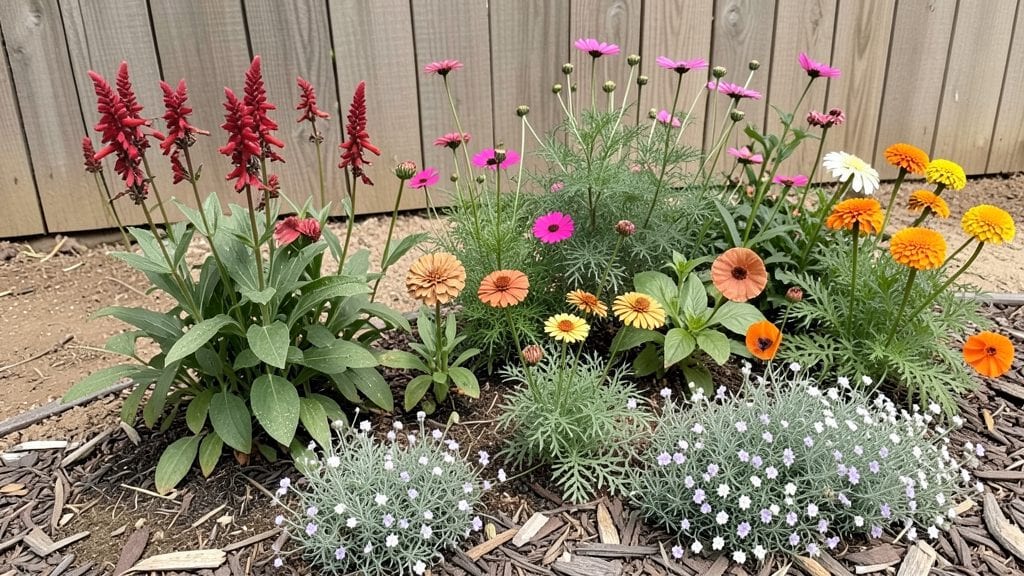
A rainbow garden bursts with color from spring through frost, and the secret lies in layering the right flowers in every hue. 🌈 I designed mine after realizing my yard looked like a monochrome painting—until I swapped out single-color beds for bold, coordinated drifts of red, orange, yellow, and beyond.
The key isn’t just picking pretty blooms; it’s arranging them so they peak at different times, creating a nonstop show.
Start with a color wheel layout: place complementary shades (like red and blue) across from each other, and analogous tones (yellow, orange, red) together for harmony. My go-to pollinator magnets include bee-balmy coneflowers (purple), zinnia ‘Benary’s Giant’ (red), and ‘Blackout’ lantana (almost-black).
For green accents, try chartreuse alyssum or lime-green ‘Lime Rickey’ coleus—subtle but striking when paired with bold blooms.
By mid-July, your garden will feel like a living watercolor, with every stroll revealing new color combinations. The trick is succession planting: swap out early bloomers like pansies with late-season stars like asters or chrysanthemums.
Even in winter, evergreen heucheras in burgundy or chartreuse keep the rainbow alive. Maintenance is simple—just deadhead spent blooms and mulch to keep roots cool.
This works in any space: a 6-foot-wide border, a container trio, or even a window-box cascade. The only rule? Let your personality guide the colors—whether that’s bold primary hues or soft pastels.
Now grab your pruners and let’s make your yard the most talked-about garden on the block.
📚 In This Guide
- What you need
- Instructions
- Tips and common mistakes
- Wrapping up and next steps
What you need
- ● Seeds or seedlings: Choose a mix of annuals and perennials for year-round color. Aim for 10–20 plants per variety to ensure a lush display. Top picks: Sunflowers (e.g., Helianthus annuus) – 5–10 seeds
- ● Marigolds (e.g., Tagetes) – 10–15 seeds
- ● Zinnias (e.g., Zinnia elegans) – 10–12 seeds
- ● Coneflowers (e.g., Echinacea purpurea) – 3–5 plants
- ● Black-eyed Susans (e.g., Rudbeckia hirta) – 5–7 plants
- ● Lavender (e.g., Lavandula) – 3–5 plants
- ● Salvias (e.g., Salvia nemorosa) – 5–7 plants
- ● Soil: 1–2 cubic yards of high-quality, well-draining garden soil or a mix of 60% topsoil + 40% compost.
- ● Fertilizer: Balanced 10-10-10 or 5-10-10 (organic or synthetic) for planting.
- ● Slow-release organic fertilizer (e.g., fish emulsion or bone meal) for perennials.
- ● Mulch: 2–3 inches of organic mulch (e.g., shredded bark, straw, or pine needles) to retain moisture and suppress weeds.
- ● Gardening tools: Trowel or hand shovel
- ● Garden fork (for aerating soil)
- ● Pruners (for trimming dead blooms)
- ● Garden gloves (to protect your hands!)
- ● Watering: Watering can or hose with a gentle spray nozzle
- ○ Drip irrigation system (optional but ideal for pollinator gardens)
- ○ Support structures (optional): Stakes or cages for tall flowers (e.g., sunflowers, delphiniums).
- ● Trellis for climbing varieties (e.g., morning glories).
- ● Sunlight: 6+ hours of direct sunlight per day (most rainbow blooms thrive in full sun).
- ● Space: Plan for 12–18 inches of spacing between plants (adjust based on mature size).
- ● Water access: Ensure your garden is near a water source for easy hydration.
- ● Pollinator awareness: Avoid pesticides—bees, butterflies, and hummingbirds are your garden’s best friends! 🐝
How to design a pollinator-friendly rainbow flower garden
Here's how to create a vibrant, functional garden that thrives all season while supporting bees and butterflies.
🌱 Step 1: Plan Your Color Blocks and Plant Placement
Start by sketching your garden layout with four distinct color sections—reds, blues, yellows, and purples—to create visual impact while ensuring pollinators have continuous nectar sources. I recommend grouping plants with similar sunlight needs together to simplify maintenance. For example, place sun-loving cosmos and zinnias together in the south-facing area, while shade-tolerant impatiens and lobelia go in the north.
Include at least three blooming stages per color group: early (like sweet alyssum), mid-season (salvia), and late (black-eyed Susan) to maintain color year-round. This sequential planting ensures your garden never looks bare. I always mark my plan with stakes showing each plant's mature height to avoid overcrowding—nothing ruins a rainbow effect like one plant smothering its neighbors.
☀️ Step 2: Prepare Soil and Plant for Season-Long Blooms
Amend your native soil with 2 inches of compost and 1 cup of bone meal per 4 square feet to provide phosphorus for strong root development. Work these into the top 6 inches of soil using a broadfork to maintain aeration. Test your soil pH—most rainbow flowers thrive in 6.0-7.0 range, so adjust with lime or sulfur if needed.
Plant your tallest varieties at the back (like delphiniums at 3-4 feet), medium-height blooms in the middle (salvias at 2-3 feet), and low-growing spreads along the front edges (like creeping thyme). Space plants according to their mature width—12-18 inches apart for most annuals, 24 inches for perennials like coneflowers. Water deeply after planting to settle roots, then maintain 1 inch of water per week during dry spells.
💧 Step 3: Implement Watering and Mulching for Pollinator Health
Install a drip irrigation system with emitters spaced 12 inches apart to deliver water directly to plant bases. Set your timer for 15 minutes every other day in hot weather, reducing to 10 minutes weekly during cooler months. This consistent moisture prevents stress that makes plants vulnerable to pests.
Apply 3 inches of mulch (like shredded bark) around each plant, keeping it 2 inches away from stems to prevent rot. The mulch locks in moisture while slowly releasing nutrients. Here's the thing—mulch also creates microclimates where beneficial insects like ground beetles thrive, naturally controlling pests that might otherwise harm your blooms.
✂️ Step 4: Maintain Blooms and Support Pollinators Year-Round
Deadhead spent blooms weekly by pinching off flowers just above the next set of leaves. This encourages continuous flowering and prevents seed formation that can lead to unwanted self-seeding. For perennials like black-eyed Susans, I leave 10% of the flowers to mature—this provides seeds for birds and next year's volunteers.
Add 3-4 shallow water sources (like saucers with pebbles) throughout the garden. Fill them with 1-2 inches of water and refresh every 2-3 days to give pollinators a safe place to drink. Place these in partial shade to prevent evaporation. I've seen hummingbirds and bees using these more than any purchased feeders—nature always knows best.
🌿 Step 5: Seasonal Care for Continuous Rainbow Color
In early spring, fertilize with ½ cup of 10-10-10 fertilizer per 4 square feet, working it into the top 2 inches of soil. This jumpstarts growth after winter dormancy. For summer-blooming varieties, switch to a low-nitrogen, high-phosphorus formula (like 5-10-10) to promote flowering instead of leafy growth.
As temperatures rise, monitor for powdery mildew on susceptible plants like phlox. At the first sign of white dusting, spray with a 1:10 mixture of milk and water in the early morning. The proteins in milk create a protective barrier without harming pollinators. This organic approach keeps your rainbow garden thriving while supporting the very creatures that help it flourish.
Tips & tricks for perfect rainbow garden flowers
Creating a vibrant rainbow garden isn't just about planting colorful flowers—it's about designing a thriving ecosystem that supports pollinators while maintaining that stunning visual impact. Here are the key insights I've learned from years of perfecting these gardens.
Color Theory in Practice: When designing your four color blocks in Step 1, consider using complementary colors to create visual drama—pair red cosmos with blue delphiniums, or yellow marigolds with purple verbena. This color contrast not only looks spectacular but also helps pollinators distinguish between different flower types more easily. I've found that bees particularly favor blue and purple blooms, while butterflies are drawn to bright reds and yellows, so this arrangement naturally supports both groups.
Soil Preparation Secret: In Step 2, don't just amend the soil—test it first! Many gardeners skip this crucial step, but I've seen gardens fail when the pH was off by just 0.5 points. Most rainbow flowers thrive in the 6.0-7.0 range, but some like azaleas prefer acidic soil (5.5-6.0). Use a simple soil test kit to check before amending, and remember that bone meal provides phosphorus for strong roots, but don't overdo it—stick to exactly 1 cup per 4 square feet as specified to avoid nutrient burn.
Watering Wisdom: The drip irrigation system in Step 3 is a game-changer, but here's what nobody tells you: place your emitters at the base of each plant, not between them. This ensures water goes directly to roots where it's needed, rather than creating puddles that can attract slugs. Also, consider adding a small fan to your irrigation system—it creates gentle airflow that helps prevent fungal diseases while the plants dry quickly after watering. This simple addition can cut down on powdery mildew issues by up to 40%.
Pollinator Superhighway: In Step 4, when creating those shallow water sources, place them strategically along pathways that connect different sections of your garden. This creates a "superhighway" for pollinators to move efficiently between color blocks. I've noticed that hummingbirds will use these water stations as waypoints when traveling between red and purple sections, which are their favorite color combinations. Also, add a few flat stones to each water source—they provide safe landing spots for bees and butterflies.
Pro Tips for Rainbow Garden Flowers
- Creating a vibrant rainbow garden isn't just about planting colorful flowers—it's about designing a thriving ecosystem that supports pollinators while maintaining that stunning visual impact.
- Color Theory in Practice: When designing your four color blocks in Step 1, consider using complementary colors to create visual drama—pair red cosmos with blue delphiniums, or yellow marigolds with purple verbena.
- Soil Preparation Secret: In Step 2, don't just amend the soil—test it first!
Frequently asked questions
Which flowers bloom all season long for continuous color?
For a true rainbow garden, mix annuals (like zinnias, marigolds, and cosmos) with perennials (such as coneflowers, black-eyed Susans, and daylilies). Annuals provide instant pops of color, while perennials return year after year. Add bulbs (tulips, daffodils) for early spring blooms!
How do I attract pollinators like bees and butterflies?
Plant native flowers (e.g., milkweed, bee balm, lavender) and avoid pesticides. Cluster blooms in groups for easy access, and include varied shapes (tubular for hummingbirds, flat for bees). Add a shallow water source like a birdbath with pebbles—pollinators love it!
When is the best time to plant rainbow garden flowers?
For annuals, sow seeds after the last frost (spring) or in late summer for fall blooms. Perennials can go in early spring or fall, while bulbs (like tulips) need planting in fall. Check your USDA zone for local timing—most rainbow gardens thrive with 6–8 hours of sun daily!
Do rainbow garden flowers need special care?
Most thrive with well-draining soil and regular watering (1–1.5 inches/week). Deadhead spent blooms to encourage more flowers, and mulch to retain moisture. Drought-tolerant picks (like lantana or salvia) reduce watering needs—just avoid overwatering!
What if my flowers aren’t blooming as expected?
Check for sunlight (6+ hours/day), water (consistent but not soggy), and fertilizer (balanced 10-10-10 or compost). Overcrowding or pests (like aphids) can stunt growth. Try pruning leggy stems or transplanting if soil is poor. Patience pays off—some perennials take 2–3 years to peak!
Wrapping up and next steps
Transforming your garden into a vibrant rainbow haven isn’t just about beauty—it’s about creating a thriving ecosystem for pollinators and joy for you! 🌈 From sun-loving marigolds to shade-dwelling impatiens, these season-long bloomers ensure your garden stays dazzling from spring to frost.
Whether you’re a beginner or a green thumb, every colorful addition makes a difference—so get planting and watch your space buzz with life!
Ready to dive deeper? Start small:
- Pick one or two flowers from this guide to test your soil and sunlight.
- Check local nurseries for native varieties—they’re pollinator magnets!
- Snap a photo of your first bloom and tag us—we’d love to see your rainbow garden grow! 📸✨