
Size
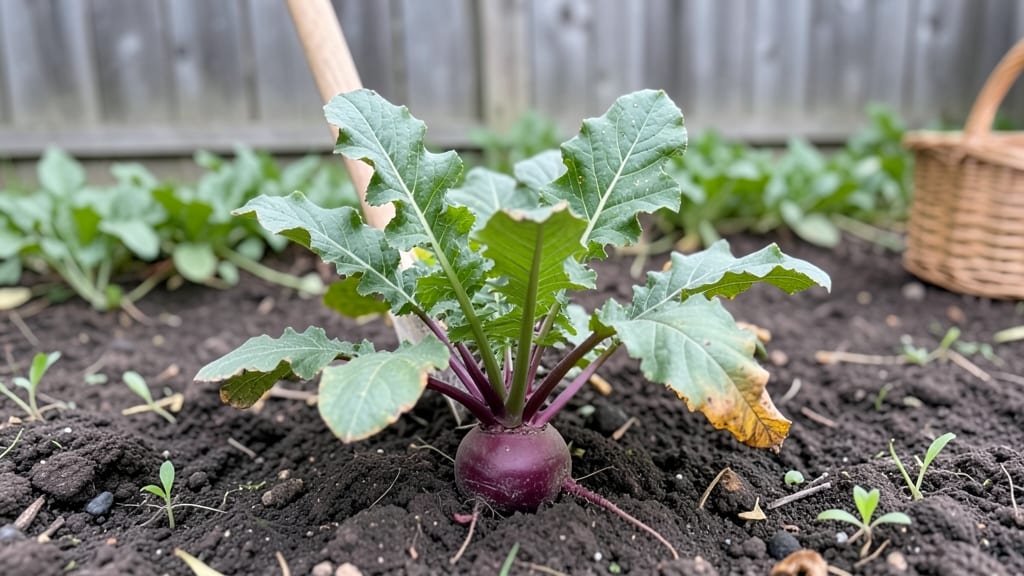
Growing radishes in your garden delivers crisp, peppery greens in 30 days—faster than most annuals. I’ve grown them every spring for years, and the secret lies in choosing quick varieties like ‘Cherry Belle’ or ‘French Breakfast,’ which mature in just 25 days.
The key isn’t fancy soil or perfect timing—it’s knowing when to plant, how deep to sow, and when to harvest before they get tough.
You’ll need loose, well-draining soil (mix compost into garden beds or containers) and a sunny spot with at least 6 hours of light daily. Radishes tolerate cooler weather better than most vegetables, so start seeds 2-3 weeks before your last frost—they’ll sprout quickly in 4-7 days.
Thin seedlings to 1-2 inches apart once they’re an inch tall to prevent crowding, which leads to leggy, bitter roots.
Water consistently to keep soil moist but not soggy—radishes need 1 inch of water per week, more if your area is dry. Mulch with straw to retain moisture and suppress weeds.
By day 25, you’ll be pulling bright red, crisp roots straight from the soil, ready to slice into salads or snack on raw. The greens are edible too, adding a peppery kick to stir-fries.
Watch for flea beetles (tiny holes in leaves) and aphids—spray off pests with water or use row covers early in the season. Overcrowding and uneven watering cause the biggest problems, so stay vigilant.
With this method, you’ll harvest 3-4 times in a single season, making radishes the ultimate fast, foolproof garden crop.
📚 In This Guide
- What you need
- Instructions
- Tips and common mistakes
- Wrapping up and next steps
What you need
- ● Radish Seeds: Choose fast varieties like Cherry Belle or French Breakfast (1–2 oz per 10 sq ft).
- ● Garden Soil: Well-draining, loose soil (amend with compost for nutrients).
- ● Fertilizer: Balanced organic fertilizer (5-5-5 ratio) or compost tea.
- ● Water: Consistent access to water (drip irrigation or watering can).
- ● Garden Plot or Containers: 6-inch-deep beds or pots (at least 12" wide).
- ● Gloves & Trowel: For planting and soil prep.
- ○ Row Cover or Mulch: To retain moisture (optional but helpful).
- ● Seedling heat mat (for cooler climates).
- ● Organic pest deterrents (like neem oil or companion plants).
- ● Garden markers (to track planting dates).
Step-by-Step instructions for growing radishes in 30 days
Here's the quick method I use to get crisp, flavorful radishes from seed to harvest in just a month.
Prepare the Soil and Planting Area
Radishes thrive in loose, well-draining soil with plenty of organic matter. Work the 2 cubic feet of garden soil and 1 gallon of compost into the top 6 inches of your planting bed until the mix looks dark and crumbly. Radishes hate compacted soil, so break up any clumps with a garden fork. I like to add a handful of 1 cup of granular fertilizer (5-10-10) to the soil mix—this gives them a nutrient boost without overfeeding.
Choose a sunny spot that gets at least 6 hours of direct sunlight daily. Radishes grow best when the soil stays consistently moist but not soggy. If your soil drains poorly, mix in ½ gallon of perlite to improve aeration. Once the soil is prepped, smooth the surface with a rake—you want it level so seeds don’t roll into uneven spots.
Sow Seeds at the Right Depth and Spacing
Radish seeds are tiny, so I like to scatter them loosely over the prepared bed. Use the 1 packet of radish seeds (about ¼ cup seeds) and sprinkle them ¼ inch deep—any deeper and they’ll struggle to emerge. Space rows 12 inches apart to allow for easy weeding and harvesting later. I plant seeds in 2-inch-wide rows to keep them organized.
After sowing, cover the seeds lightly with soil and press down gently to ensure good seed-to-soil contact. Water immediately with a fine spray nozzle until the soil feels evenly moist to the touch. Avoid using a heavy stream, which can wash seeds away. You’ll see seedlings emerge in 3-7 days—watch for tiny green shoots pushing through the soil.
Thin Seedlings for Optimal Growth
Once the seedlings reach 1 inch tall (about 2-3 weeks after sowing), it’s time to thin them. Use a pair of clean scissors or your fingers to snip or gently pull the weakest seedlings, leaving the strongest ones 1 inch apart in the row. This prevents overcrowding, which leads to small, woody radishes. I always harvest the thinned seedlings and add them to salads—they’re just as tasty!
After thinning, water the remaining seedlings at the base to avoid disturbing their roots. Keep the soil moist but not waterlogged—radishes grow best when the top 1 inch of soil stays slightly damp. If the weather is dry, water every 2-3 days, but check the soil first. Overwatering can cause the radishes to split or rot.
Monitor for Pests and Harvest at Peak Freshness
Radishes mature quickly, so stay vigilant for pests like flea beetles or aphids. If you spot holes in the leaves, spray the plants with 1 quart of neem oil solution (mix 1 tablespoon neem oil with 1 quart of water) to deter insects. I also like to lay 1 roll of row cover fabric over young plants if pests are a problem in your area.
Harvest radishes when they reach 1-1½ inches in diameter—this is their sweetest stage. Use a small trowel to dig carefully around the radish to avoid damaging nearby plants. Pull gently but firmly; if the radish resists, wiggle it free. Harvest in the morning when the soil is cool and moist—this ensures the radishes stay crisp. Store them in the refrigerator for up to 1 week or enjoy them fresh in salads and sandwiches.
Succeedive Planting for a Continuous Harvest
To keep a steady supply of radishes, plant a new batch every 2 weeks after the first sowing. This staggered approach ensures you always have fresh radishes ready to harvest. Choose quick-maturing varieties like Cherry Belle or French Breakfast for the fastest results. With this method, you’ll have homegrown radishes on your table nearly year-round in most climates.
If you’re growing radishes in cool-season climates, plant in early spring or late summer for fall harvests. In warm climates, focus on fall and winter plantings to avoid the heat, which can cause radishes to bolt (go to seed) prematurely. With these steps, you’ll have a bountiful radish garden in just 30 days—no waiting required!
Tips & tricks for fast radish growth in 30 days
These simple tricks will help you grow radishes faster and more successfully than you might expect—no green thumb required.
Soil Preparation Secret: The key to that 30-day harvest starts in Step 1 with your soil mix. I can't stress enough how important it is to work the perlite into the soil thoroughly—this creates tiny air pockets that prevent waterlogging, which is radishes' worst enemy. After mixing, press down firmly with your hands to eliminate air pockets. This ensures even moisture distribution and faster germination. Those first 3-7 days of seedling emergence will happen more consistently when your soil is perfectly prepped.
Timing is Everything: In Step 2, when you're sowing those tiny seeds, resist the urge to plant too densely. The 12-inch row spacing and 2-inch-wide rows might seem excessive, but trust me—this gives your radishes room to grow to their full 1-1½ inch diameter without competing for nutrients. I've learned the hard way that crowded radishes become tough and pithy. The extra space also makes thinning in Step 3 much easier when those seedlings reach 1 inch tall. You'll appreciate the cleaner rows when harvest time comes.
Watering Wisdom: The 2-3 day watering schedule in Step 3 might seem frequent, but radishes are surprisingly thirsty plants. Here's my trick: water in the morning so any excess moisture evaporates during the day. This prevents the soil from staying soggy, which can cause rot. I like to use a gentle spray nozzle to avoid disturbing the soil surface—this keeps those tiny seedlings anchored while maintaining consistent moisture. The top 1 inch of soil should always feel like a damp sponge, not a wet towel.
Harvesting Hack: When you reach Step 4 and it's time to harvest, here's what I do: pull a few radishes and check their size. If they're still small, leave them—radishes continue growing after reaching harvest size. But if you see any starting to split (which happens when they get too big for their skin), harvest immediately. I've found that harvesting in the morning gives me the crispest radishes, and I always store them in the fridge wrapped in a slightly damp paper towel to keep them fresh for that full week.
Pro Tips for Radish Grow A Garden
- These simple tricks will help you grow radishes faster and more successfully than you might expect—no green thumb required.
- Soil Preparation Secret: The key to that 30-day harvest starts in Step 1 with your soil mix.
- Timing is Everything: In Step 2, when you're sowing those tiny seeds, resist the urge to plant too densely.
Frequently asked questions
Got questions about growing radishes in your garden?
You’re not alone! Here are answers to the most common queries to help you cultivate a thriving radish patch with ease.
How long does it take for radishes to grow?
Radishes are one of the fastest vegetables to harvest—most varieties mature in 25 to 30 days from seed! Quick-growing types like 'Cherry Belle' or 'French Breakfast' are perfect for impatient gardeners. Check the seed packet for exact timelines, as some heirloom varieties may take slightly longer (up to 40 days).
Can I grow radishes in cold weather?
Radishes thrive in cool temperatures (45–75°F) and can even tolerate light frosts. In fact, they hate summer heat, which causes them to bolt (go to seed) early. Plant them in early spring or fall for the best results. If you live in a hot climate, opt for shade cloth or grow them in late summer for a fall harvest.
What can I plant with radishes to improve growth?
Radishes are companion plants that pair well with herbs like dill, mint, and cilantro, as well as leafy greens such as lettuce and spinach. Avoid planting them near potatoes or cabbage, as these can stunt their growth. For a space-saving hack, interplant radishes with slower-growing crops like carrots—the radishes will be harvested before the carrots need the space!
Why are my radish plants wilting or turning yellow?
Wilting or yellowing radishes often signal overcrowding, drought, or pests. Thin seedlings to 1–2 inches apart to improve airflow and reduce competition. Check the soil moisture—radishes need consistent water (about 1 inch per week). If pests like flea beetles are the culprit, use row covers or neem oil to protect your plants. For yellowing leaves, test your soil pH (radishes prefer 6.0–7.0).
Are radishes easy to grow in containers?
Yes! Radishes are container-friendly and perfect for small spaces. Use a pot at least 6 inches deep with well-draining soil. Plant 2–3 seeds per container, thin to the strongest seedling, and keep them in a sunny spot (6+ hours of light daily). Dwarf varieties like 'Easter Egg' or 'Rapsodie' are ideal for pots. Just ensure the container has drainage holes to prevent root rot.
Pro Tip:
For a continuous harvest, sow radish seeds every 2 weeks in succession. This ensures a steady supply of fresh, crisp radishes straight from your garden all season long!
Wrapping up and next steps
Growing radishes in your garden is a quick, rewarding, and delicious way to enjoy fresh, homegrown veggies in just 30 days! With the right soil, sunlight, and care, you’ll harvest vibrant, crunchy radishes that add flavor and nutrition to your meals.
Whether you’re a beginner or a seasoned gardener, radishes are the perfect fast-growing crop to boost your confidence and connection to the earth.
Now that you’re armed with tips and tricks, it’s time to roll up your sleeves and plant! Start small with a few seeds, experiment with varieties, and watch your garden transform. Happy growing—your taste buds (and future salads!) will thank you. 🌱💚