
Tools
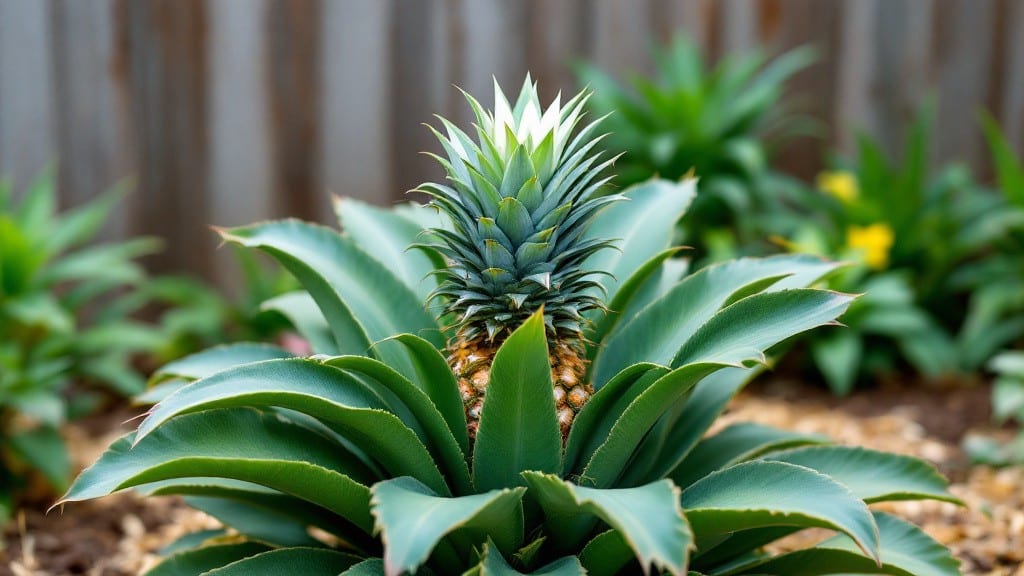
Growing pineapple in your garden means sweet tropical rewards—right in your own backyard. 🌱 I tried it last summer, and while it’s not as simple as planting tomatoes, the process is surprisingly straightforward once you know the tricks.
The key is mimicking their native tropical conditions, whether you’re in a warm climate or using containers to bring them indoors during cooler months.
Pineapples thrive in full sun, well-draining soil, and warm temperatures—ideally between 60-90°F. If you live in a cooler zone, a large container lets you move the plant indoors when temperatures dip.
The soil mix should be light and airy, with a touch of sand or perlite to prevent root rot. Overwatering is the biggest mistake beginners make, so let the top inch of soil dry out between waterings.
With patience, your plant will eventually produce a flower spike, followed by a pineapple in 18-24 months. The first fruit might be small, but each subsequent harvest grows larger.
Imagine slicing into a pineapple you grew yourself—no grocery store needed. The real magic happens when you see those spiky crowns develop, ready to propagate into new plants.
Even if you’re not in a tropical climate, pineapples can still succeed with the right setup. Whether you’re experimenting in a greenhouse or keeping one as a houseplant, the journey from seedling to fruit is worth every step. Let’s get those tropical vibes growing in your garden!
📚 In This Guide
- What you need
- Instructions
- Tips and common mistakes
- Wrapping up and next steps
What you need
- ● Pineapple plant: A healthy, mature pineapple plant (or a crown from a store-bought pineapple—see tips below!)
- ● Well-draining soil: A mix of 50% cactus/succulent soil and 50% perlite or coarse sand (about 2-3 gallons per plant). Avoid heavy clay soil!
- ● Pot or garden bed: For containers: A 5-gallon pot or larger with drainage holes (terracotta or plastic). 1-2 pots per plant.
- ● For in-ground planting: A sunny, sheltered spot with 6+ hours of sunlight daily and protection from strong winds.
- ● Fertilizer: A balanced, slow-release fertilizer (e.g., 10-10-10 or 8-3-9) or organic options like composted manure or worm castings (apply every 2-3 months during growing season).
- ● Pruning shears or sharp knife: For trimming dead leaves or harvesting the fruit.
- ● Watering can or hose with gentle spray nozzle: Pineapples hate soggy roots—water deeply but infrequently!
- ○ Mulch (optional but helpful): Pine bark or straw to retain moisture and regulate soil temperature.
- ● Grow lights: If your climate is cool (below 60°F/15°C), a full-spectrum LED grow light can extend the growing season indoors.
- ● Plant supports: A small stake or cage to help the pineapple plant stand upright as it grows.
- ● pH test kit: Pineapples thrive in acidic soil (pH 4.5–6.5). Adjust with sulfur or lime if needed.
- ● Pineapple crown from a grocery store: Free! Just remove the top of a store-bought pineapple, let it dry for 2-3 days, and root it—no purchase necessary!
Step-by-Step guide to growing pineapples in your garden
Here's how I've successfully grown pineapples in containers—no greenhouse needed.
🌱 Step 1: Select and Prepare the Crown
Choose a ripe pineapple from the grocery store with a healthy, green crown still attached. The crown is the top third of the fruit where the leaves grow out. Cut it off carefully, leaving about 1-2 inches of fruit below the base of the leaves.
Remove the lower leaves until you expose the base where the crown meets the fruit. This bare stem will eventually form roots. Let the crown dry for 2-3 days in a warm, shaded spot. This drying process prevents rot when you plant it later.
🪴 Step 2: Plant the Crown in a Container
Fill a 6-inch diameter pot with a well-draining potting mix. I use a blend of 50% peat moss and 50% perlite to ensure good drainage—pineapples hate soggy roots. Make a small hole in the center of the pot and insert the crown about 1 inch deep.
Gently press the soil around the base of the crown to secure it. Water lightly until the soil feels moist but not waterlogged. Place the pot in a warm, sunny spot with at least 6 hours of direct sunlight daily. A south-facing window or a shaded outdoor patio works well.
💧 Step 3: Maintain Moisture and Humidity
Keep the soil consistently moist but never soggy. Water when the top 1 inch of soil feels dry to the touch. Pineapples are tropical plants and thrive in humidity. If your home is dry, mist the leaves lightly with water a few times a week or place the pot on a tray filled with pebbles and water.
After about 2-3 weeks, you'll notice small roots forming at the base of the crown. This is your signal that the plant is establishing itself. Once roots appear, you can fertilize lightly with a balanced, water-soluble fertilizer diluted to half strength every 4-6 weeks.
☀️ Step 4: Encourage Growth and Flowering
Pineapples need plenty of sunlight to grow strong and produce flowers. If you're growing indoors, supplement with a grow light for 12-14 hours per day during shorter winter days. Outdoor plants should be moved to a location with full sun exposure once temperatures stay consistently above 50°F.
After about 12-18 months, your pineapple plant may produce a flower spike. This is a long, stalk-like structure that emerges from the center of the plant. Once the flower appears, it will take about 3-4 months for the fruit to ripen. Be patient—rushing the process won't help.
✂️ Step 5: Harvest and Care for Future Plants
When the pineapple fruit turns golden yellow and smells sweet, it's ready to harvest. Cut the fruit from the plant, leaving the crown intact if you want to propagate more plants. The first pineapple you grow from a crown may be small, but each subsequent plant will produce larger, more robust fruit.
After harvesting, you can replant the crown from the fruit to grow another pineapple. Simply follow the same steps you used for the first plant. With proper care, you can enjoy fresh pineapples straight from your garden for years to come.
Tips & tricks for growing pineapples in containers
Growing tropical pineapples at home takes patience, but these key strategies will help you avoid common pitfalls and maximize your success.
The Drying Process Matters: That 2-3 day drying period in Step 1 is absolutely critical for preventing rot. Place your crown on a paper towel-lined tray in a warm, shaded spot with good airflow. I've seen crowns rot within days when skipped—trust me, this step saves you from starting over! The dried base will turn slightly brown and feel firm to the touch when ready.
Sunlight is Non-Negotiable: Pineapples demand serious sunlight—at least 6 hours daily as specified in Step 2. If growing indoors, position your plant within 2 feet of the brightest window (south-facing is ideal). For winter months, supplement with a grow light for 12-14 hours daily to maintain the tropical conditions they crave. I learned this the hard way when my first attempt produced only sad, leggy growth.
Root Development Timeline: Those 2-3 weeks mentioned in Step 3 can feel like an eternity, but resist the urge to check constantly. Gently tug on the plant after 2 weeks—if you feel slight resistance, roots are forming. Once established, reduce watering slightly as the roots will need room to breathe. Overwatering at this stage is the #1 killer of young pineapple plants.
Fertilizer Strategy: When you begin fertilizing every 4-6 weeks in Step 3, use a balanced 10-10-10 formula diluted to half strength. I've found that pineapples respond better to frequent light feedings than heavy infrequent doses. Stop fertilizing completely once you see flower spikes emerge—this helps redirect energy to fruit development rather than foliage growth.
Pro Tips for Pineapple In Garden
- Growing tropical pineapples at home takes patience, but these key strategies will help you avoid common pitfalls and maximize your success.
- The Drying Process Matters: That 2-3 day drying period in Step 1 is absolutely critical for preventing rot.
- Sunlight is Non-Negotiable: Pineapples demand serious sunlight—at least 6 hours daily as specified in Step 2.
Frequently asked questions
Got questions about growing pineapples in your garden? You’re not alone! Here are some of the most common queries—plus straightforward answers to help you succeed.
How long does it take for a pineapple plant to bear fruit?
A pineapple plant typically takes 18–24 months to produce its first fruit after planting, depending on climate and care. Tropical zones (like USDA zones 10–12) speed up growth, while cooler areas may extend the timeline. Patience is key—your first harvest is worth the wait!
Can I grow a pineapple from a store-bought fruit?
The crown (leafy top) of a pineapple is perfect for propagation. Simply twist it off, remove lower leaves, let it dry for 2–3 days, then plant in well-draining soil. Just know it’ll take years to fruit—store-bought pineapples are bred for speed, not homegrown patience!
How do I protect my pineapple plant in cold weather?
Pineapples are tropical and cannot tolerate frost. In cooler climates, grow them in containers so you can move them indoors or under cover when temperatures dip below 50°F (10°C). Mulch the soil and use a greenhouse or cold frame for extra insulation.
What’s the easiest pineapple variety for beginners?
The ‘Smooth Cayenne’ variety is the most beginner-friendly, thanks to its hardiness and reliable fruiting. Other good options include ‘Queen’ (smaller fruit, faster growth) and ‘Red Spanish’ (sweeter but slower). Avoid hybrid grocery-store varieties—they’re sterile and won’t regrow!
Why are my pineapple leaves turning yellow or brown?
Yellowing leaves often signal overwatering or poor drainage. Brown tips? That’s usually underwatering or fluoride buildup from tap water. Check soil moisture (it should stay slightly dry between waterings) and switch to rainwater or distilled water if needed. Pests like mealybugs can also cause stress—inspect leaves regularly!
Wrapping up and next steps
Growing pineapples in your garden is a rewarding adventure that brings a taste of the tropics right to your doorstep! 🌱 With the right soil, sunlight, and a little patience, you can enjoy homegrown pineapples—whether for fresh eating, sharing with neighbors, or even gifting.
Whether you’re a seasoned gardener or a beginner, this tropical fruit is a fun and delicious way to experiment with edible landscaping.
Ready to take the next step? Start by planting your pineapple pup or slip and keep an eye on its progress. Before you know it, you’ll be savoring the sweet, tangy reward of your hard work—and maybe even inspiring others to try their hand at growing pineapples too! 🍍✨