
Tools
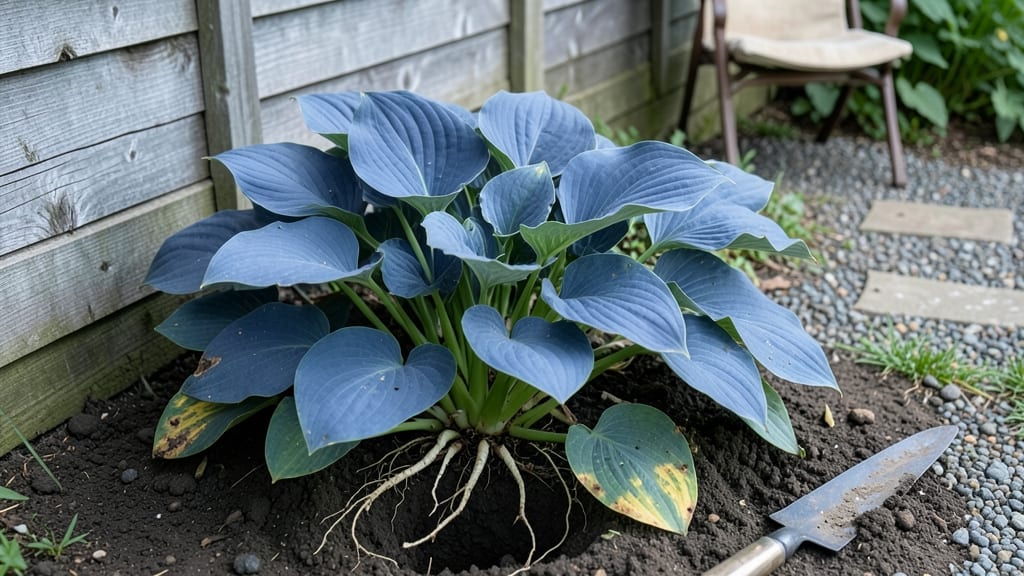
The PBS Garden Show demonstrates how to transform limited spaces into productive gardens by choosing space-efficient plants, optimizing container layouts, and applying expert strategies for light management and soil vitality.
The show's approach focuses on plants that deliver big results in small footprints—think basil that grows bushier in pots, cherry tomatoes that stay compact, and leafy greens like kale that thrive in vertical towers. 🌱 What makes their techniques stand out is how they combine science with simplicity: using reflective surfaces to double sunlight exposure, selecting self-watering containers to reduce maintenance, and rotating crops to prevent soil depletion.
Their emphasis on soil health—like adding compost tea—proves that even tiny gardens can produce abundant harvests with the right care.
For beginners, their tiered system recommendations (like stacking pots at different heights) solve two problems at once: maximizing vertical real estate while keeping plants accessible for harvesting.
The show also debunks common myths, such as needing deep soil for root crops—many dwarf varieties thrive in just 6-8 inches of quality potting mix. Whether you're working with a balcony, windowsill, or backyard corner, their methods prove that space constraints shouldn't limit your gardening ambitions.
💡 In This Article
- Best Compact Plants for Small-Space Gardening
- Expert Container Gardening Techniques from PBS
Best compact plants for small-space gardening
Here's what makes certain plants perfect for small spaces: their natural growth habits. Herbs like thyme and basil grow in dense, bushy forms rather than tall stems, allowing them to fill containers without sprawling.
Their shallow root systems (typically 6-12 inches deep) thrive in pots, while their rapid growth cycles mean you get harvests in as little as 4-6 weeks. The key factor is their determinate growth pattern—they grow to a fixed size, unlike indeterminate varieties that keep climbing.
Microgreens take this concept further with their fast maturation (ready in 7-14 days) and high nutrient density. Varieties like pea shoots and sunflower microgreens grow just 2-4 inches tall but pack 40 times more nutrients than mature greens.
Their fibrous root systems don't require deep soil, making them ideal for shallow trays. The science behind this is their rapid cell division during the seedling stage, which concentrates nutrients in the small edible portion.
Dwarf vegetables like 'Tumbling Tom' cherry tomatoes and 'Patio' bush beans are engineered to stay compact (typically 2-3 feet tall) while producing abundant yields. What's remarkable is their fruit-to-leaf ratio: these varieties channel energy into producing more tomatoes or beans rather than growing taller vines.
For example, a 5-gallon container can yield 20-30 lbs of cherry tomatoes in a season—comparable to full-size plants in larger beds.
Sunlight needs vary dramatically between these categories. Herbs generally need 4-6 hours of direct sun, while microgreens thrive with 6-8 hours but can tolerate partial shade.
Dwarf vegetables require 6-8 hours minimum, but reflective surfaces (like white walls) can effectively double the usable light by bouncing 30-50% more photons onto leaves. This is why PBS experts recommend placing containers near south-facing windows or using aluminum foil-lined boxes behind plants.
Soil health becomes critical in small spaces because there's no room for error. The show emphasizes using well-draining potting mixes with 30-40% perlite or vermiculite to prevent root rot.
Adding compost tea (a liquid fertilizer) provides 3-4 times more microbial activity than dry compost, which is essential for nutrient uptake in confined root zones. The texture difference is noticeable—healthy soil feels like a moist sponge, while compacted soil repels water like a brick.
What most people don't realize is how crop rotation affects small-space gardens. Even in containers, alternating plant families (like tomatoes after herbs) prevents soil-borne diseases from building up.
The show's experts demonstrate how a 3-year rotation can maintain soil vitality in the same pot, using cover crops like clover between seasons to fix nitrogen naturally. This is particularly valuable when space is limited—you're not just growing plants, you're nurturing an ecosystem.
For maximum productivity, consider these high-yield varieties that perform exceptionally well in small spaces: bush cucumbers ('Bush Champion'), dwarf peppers ('Jalapeño M'), and leaf lettuce ('Black Seeded Simpson'). Each delivers 2-3 times the yield per square foot compared to their full-size counterparts, proving that small doesn't mean limited. 🌿