My childhood was spent chasing fireflies in my grandfather’s garden, where he’d let me dig up potatoes and pull weeds with the promise of a sun tea reward. Those afternoons taught me that gardening isn’t just about growing plants—it’s about growing patience, curiosity, and a little bit of magic along the way.
Here, I share the lessons I’ve learned from years of dirt under my nails and blooms in my hands, because the best gardens are the ones that feel like home.
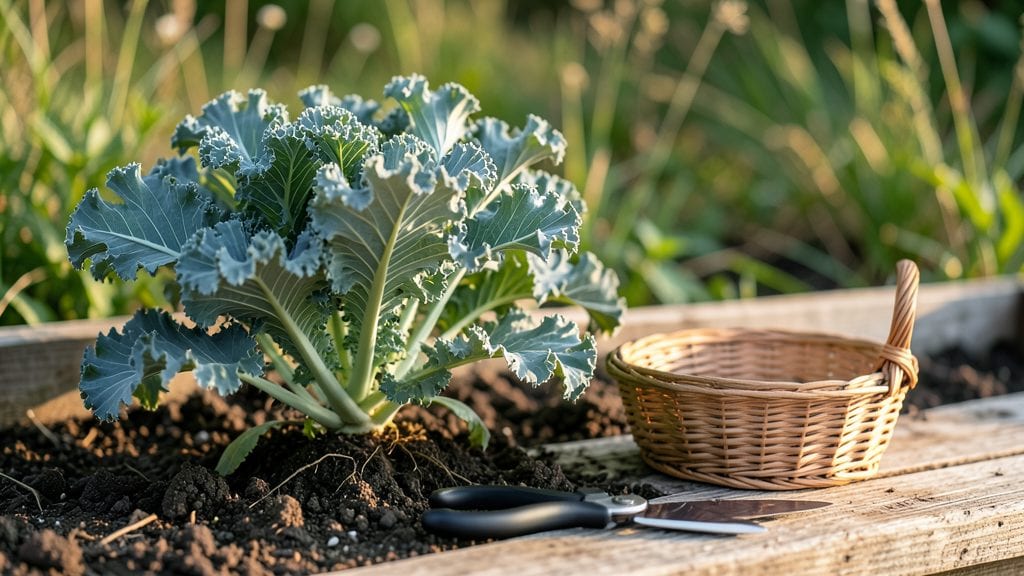
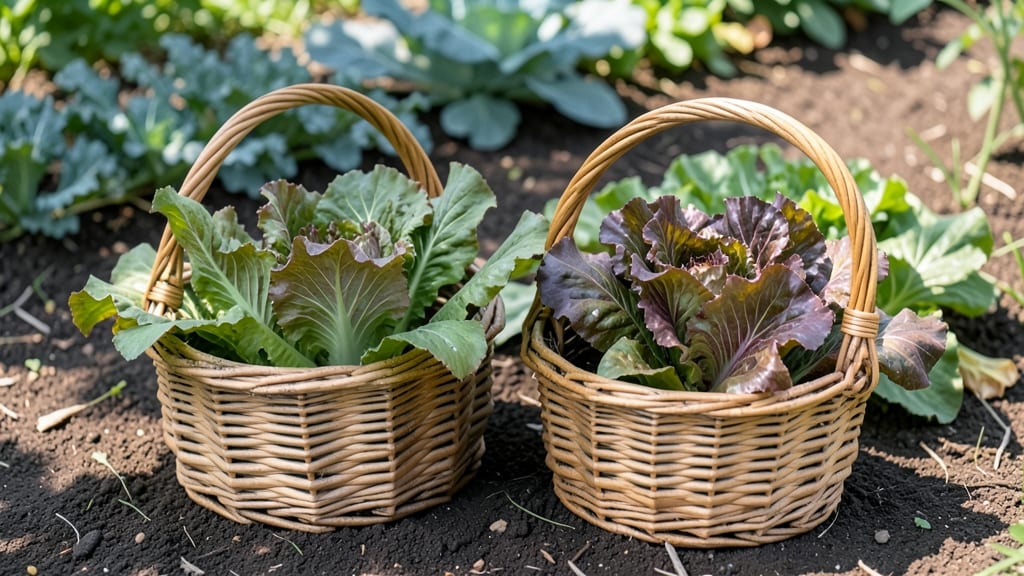
Picking kale from your garden the right way keeps those 🥬 leaves crisp and your plants producing for weeks—so you’re not left with bitter stalks or a sad, bare patch. Harvesting kale at the wrong time turns your hard…
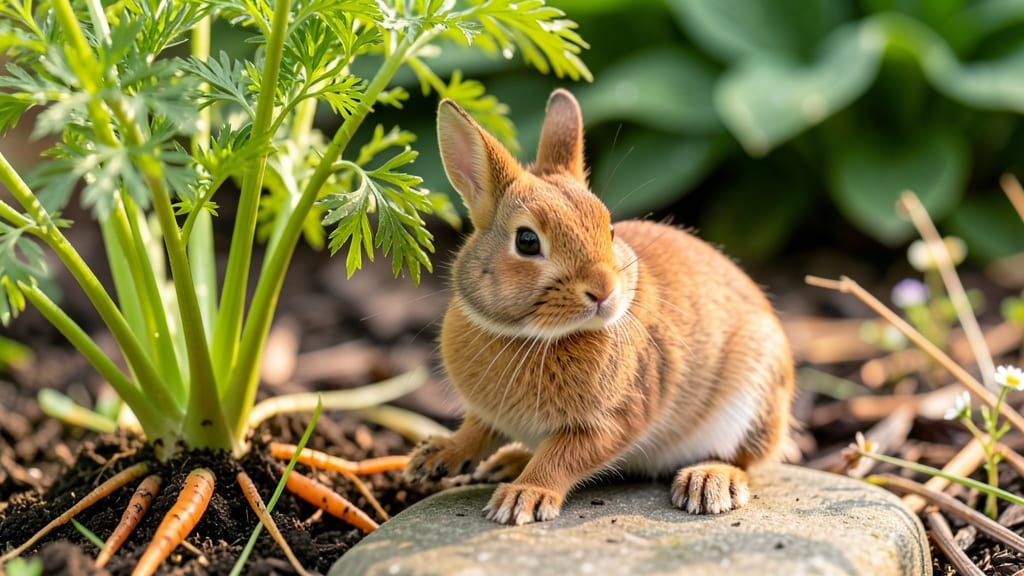
💥 Quick Answer Peter Rabbit gardening focuses on eco-friendly pest management that keeps wildlife safe while protecting your plants. Use raised beds, companion planting with strong herbs like mint or garlic, and organic…
💥 Quick Answer The meaning of victory gardens centers on community-driven vegetable cultivation during wartime shortages, originally launched in World War I and II to boost food security. Today, they symbolize…
💥 Quick Answer Human gardens exist because they fulfill deep psychological and social needs—reducing stress, fostering creativity, and strengthening community bonds through shared green spaces. Their beauty and…
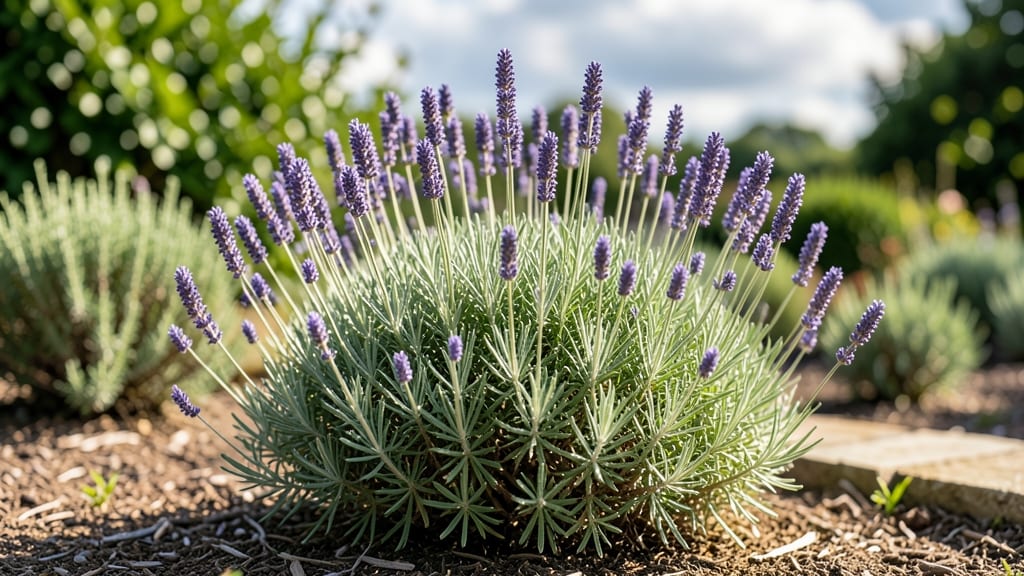
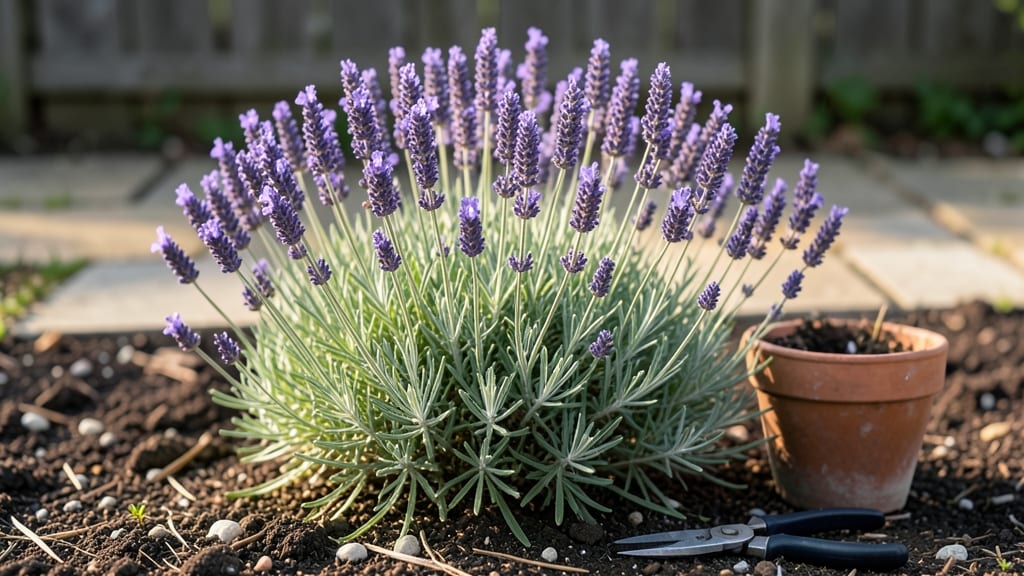
💥 Quick Answer Zone 4 gardening thrives with frost-resistant perennials like coneflowers, Russian sage, and lavender, alongside strategic planting techniques such as mulching, raised beds, and late-spring cold frames to…
💥 Quick Answer Backyard garden lovers can transform their outdoor space by matching plants to their local climate, cycling through seasonal varieties, and choosing hardy perennials that stay vibrant all year. Begin with…
💥 Quick Answer A big garden in Omaha thrives by aligning with Nebraska’s USDA zones 5b-6a, where frost-free seasons run from mid-April through mid-October. Begin with cool-season crops like spinach in early spring…
💥 Quick Answer Getting scabies from gardening is possible through exposure to contaminated soil or shared tools, since the mites survive best in warm, damp conditions like compost heaps or gardening equipment. While…
💥 Quick Answer You can plant garden mums directly in the ground across USDA hardiness zones 3-9, where they grow as hardy perennials in well-drained soil with full sun exposure. Cold-hardy varieties like 'Autumn Joy…
💥 Quick Answer Children’s garden projects encourage creativity while teaching sustainability, using recycled materials like plastic bottles, cardboard tubes, or tin cans to grow herbs, flowers, or veggies. Start with…