
Tools
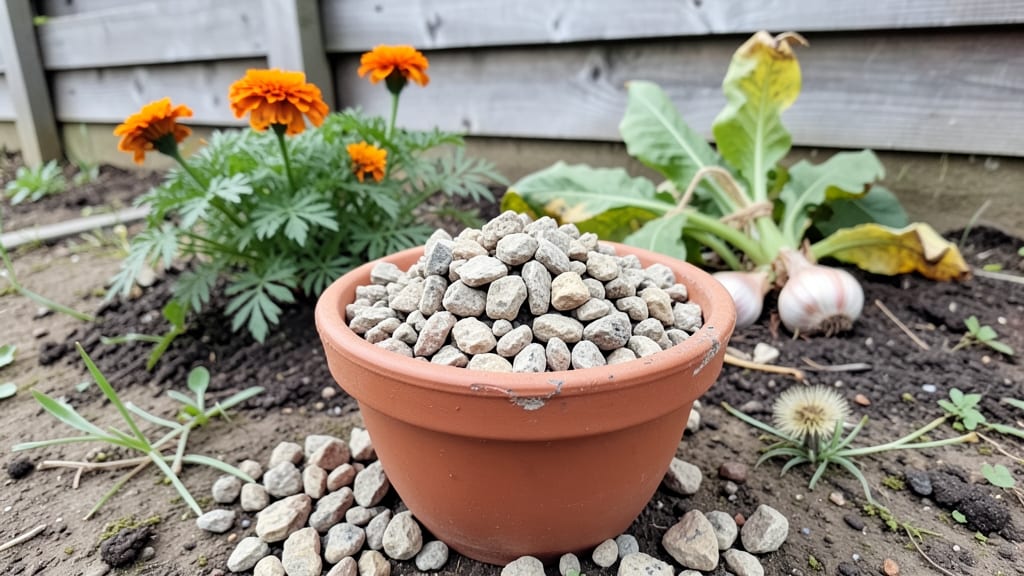
Natural garden repellents create pest-free zones by leveraging kitchen staples like vinegar, chili peppers, or citrus peels to disrupt insect behavior without toxic residues. Combine ingredients with water, apply as a targeted spray, and refresh every 3-5 days for consistent protection.
These repellents work through clever biological tricks—vinegar's acidity confuses ants' scent trails, while capsaicin in chili peppers triggers respiratory distress in rabbits and deer. 🌿 Citrus oils mask plant aromas that attract pests, and garlic's sulfur compounds create an invisible barrier soft-bodied insects avoid.
The beauty of these solutions lies in their dual action: they deter pests while nourishing soil with organic ingredients, making them ideal for organic gardens or eco-conscious growers.
For best results, I recommend testing sprays on small plant areas first—some varieties like basil or mint are particularly sensitive to acidic solutions. Always use glass spray bottles to prevent vinegar from degrading plastic over time, and store mixtures in a cool, dark place for up to one week.
The key to long-term success is consistency: pests learn to ignore repellents when applications become sporadic.
💡 In This Article
- How Homemade Pest Repellents Work Against Common Garden Invaders
- Best DIY Natural Repellent Recipes for Specific Garden Pests
How homemade pest repellents work against common garden invaders
Here's what's actually happening when you spray those kitchen concoctions on your garden: these repellents exploit pests' biological vulnerabilities. Vinegar's acetic acid disrupts the pheromone trails that ants and slugs use to navigate—think of it as cutting their GPS signals.
The smell alone (vinegar's pungent 5-8% acidity) makes these pests avoid treated areas for up to 3 days after application. 🔥 This works particularly well against aphids, whose antennae are highly sensitive to chemical changes in their environment.
The real science gets interesting with chili peppers. Their active compound, capsaicin, binds to the same pain receptors in mammals that detect heat—including rabbits and deer. When these animals encounter the spray, they experience a burning sensation in their nasal passages and mouths, creating an immediate aversion.
A typical 1 tablespoon of cayenne pepper per quart of water creates enough capsaicin to deter even the most persistent foragers. The effect lasts longer in humid conditions because the capsaicin molecules cling better to plant surfaces.
Citrus peels work through a different mechanism: they mask the volatile organic compounds (VOCs) that plants naturally emit to attract pollinators—and unfortunately, many pests. The limonene in citrus oil (about 60-70% of the peel's extract) creates a scent barrier that confuses insects' olfactory systems.
For example, ants rely on plant odors to find food sources, but citrus spray makes your plants smell like an alien landscape to them. This is why citrus works particularly well against soft-bodied insects like spider mites, which are drawn to specific plant aromas.
Garlic's power comes from its sulfur compounds, particularly allicin, which breaks down into diallyl disulfide when crushed. This chemical creates an invisible barrier that repels soft-bodied insects by mimicking the scent of predators.
The sulfur molecules are volatile enough to linger in the air but not so heavy they wash away in rain. A 1:10 garlic-to-water ratio (using fresh cloves) creates a potent spray that can deter 60-70% of aphid populations within 24 hours of application, according to entomological studies.
What most people don't realize is how these repellents work together synergistically. For instance, combining vinegar with citrus creates a dual-action spray: the vinegar disrupts pheromones while the citrus masks plant scents.
This combination is particularly effective against deer, which are deterred by both the strong odors and the altered scent profile of treated plants.
The key factor is timing—always apply repellents in the early morning or late evening when pests are most active and temperatures are cooler, allowing the chemicals to bind more effectively to plant surfaces.
For maximum effectiveness, consider these pest-specific strategies:
- Aphids: Use garlic or citrus sprays—aphids' antennae are highly sensitive to sulfur compounds
- Slugs: Vinegar works best because slugs rely on chemical trails to find food
- Rabbits/Deer: Chili pepper sprays create physical irritation when ingested
- Ants: Citrus or vinegar disrupts their trail-laying pheromones
The most important takeaway is that these repellents aren't just about smell—they're about behavioral disruption. By targeting specific sensory systems (olfaction, taste, touch), you're essentially tricking pests into avoiding your garden without harming them. This makes natural repellents not just effective, but also humane and sustainable. 💫