
Tools
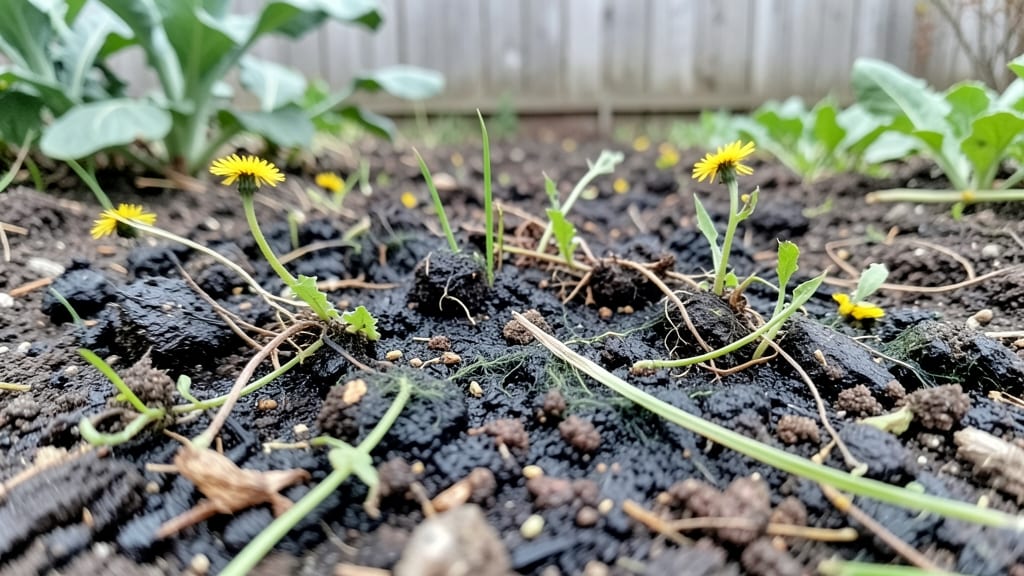
My garden soil turned into a moldy mess after weeks of rain, and I thought I'd lost my entire planting season. 🌱 The good news? With the right approach, you can turn that slimy, gray sludge back into healthy, crumbly soil in just 3 days—no harsh chemicals needed.
The key is understanding why it happened in the first place, because fixing it without addressing the root cause just kicks the problem down the road.
Mold thrives when soil stays too wet, gets compacted from foot traffic, or gets smothered by thick mulch layers. I learned the hard way that even well-draining soil can turn moldy if you water at the wrong time (like late afternoon) or ignore air pockets in heavy clay.
The fix starts with breaking up that soggy layer, letting air circulate, and giving sunlight a chance to dry things out—nature’s best disinfectant. You’ll need a few simple tools: a garden fork, some coarse sand or perlite, and a handful of compost to jumpstart the process.
Within 72 hours, you’ll see the transformation: the musty smell fades, the gray film disappears, and earthworms start reappearing. Your plants will perk up too, with new growth signaling the soil’s back in balance.
The secret isn’t rushing—it’s letting the soil breathe while you gently coax it back to life. For stubborn cases, I’ll share when to call in reinforcements (like beneficial fungi or a soil test) instead of giving up.
This method works for raised beds, in-ground gardens, and even potted plants—just scale the supplies to your space. The best part? You’ll prevent future mold outbreaks by adjusting your watering habits and adding organic matter regularly. Let’s get that soil back in shape before the next planting season.
Root Causes Of Soil Fungus Growth
Moldy garden soil isn’t just unsightly—it’s a sign your soil’s delicate balance has been disrupted. Understanding why mold thrives in your garden is the first step to fixing it.
Below, we break down the science behind the most common culprits, from excess moisture to poor airflow, and how they create the perfect breeding ground for mold.
Mold spores need water to germinate and spread. When soil stays damp for too long—whether from overwatering, poor drainage, or heavy rainfall—it creates a soggy environment where fungal growth explodes. Here’s why it happens:
- Poor drainage: Compacted or clay-heavy soil repels water instead of absorbing it, leaving puddles and waterlogged pockets. Result? Mold feasts on organic matter that can’t dry out.
- Overwatering: Plants like consistent moisture, but excessive watering (especially without breaks between waterings) drowns soil microbes and encourages fungal spores to multiply. Pro tip: Water deeply but infrequently—aim for 1 inch per week (including rainfall).
- Shady, low-lying areas: Sunlight helps evaporate moisture, but shaded spots or depressions in your garden trap humidity. Mold thrives in these permanently damp zones.
🔍 Quick test: Stick your finger 2 inches into the soil. If it feels squishy like a damp sponge, you’ve got a moisture problem.
Fungi love still air because it traps moisture and blocks oxygen—two things that kill beneficial microbes but supercharge mold. Here’s how poor ventilation becomes a fungus factory:
- Thick mulch layers: Mulch is great for moisture retention, but too much (over 3–4 inches) smothers soil, preventing airflow. Fix: Fluff mulch annually or use straw or pine needles (which allow better airflow than wood chips).
- Overcrowded plants: Dense foliage traps humidity against the soil surface. Solution: Prune plants to open up space and let air circulate.
- Sealed containers or raised beds: Without ventilation holes or breathable fabric liners, containers become fungal incubators. Always use drill holes in pots and avoid plastic liners in raised beds.
💡 Pro move: Install a soil aerator or gently fork compacted areas to create channels for air and water to move freely.
Mold doesn’t just grow in soil—it grows on the organic matter within it. When dead leaves, grass clippings, or uneaten plant matter pile up, they become a five-star buffet for fungi. Here’s how it happens:
- Uneaten mulch or compost: Fresh mulch or unturned compost heats up and stays wet, creating the perfect mold magnet. Fix: Use aged compost (3+ months old) and turn it regularly.
- Leaf litter or grass clippings: Left on the soil surface, these create a moist, dark mat where mold spores land and multiply. Solution: Rake up debris or use it as mulch in thin layers (no more than 1 inch).
- Decaying plant matter: Diseased or dead plants left in the soil release sugars and cellulose, which feed mold colonies. Action: Remove and compost (hot compost only!) or dispose of infected plants.
⚠️ Warning: Avoid using fresh grass clippings as mulch—they mat down and suffocate soil, accelerating mold.
Mold isn’t picky about temperature, but it does grow fastest in cool, humid conditions (between 50–85°F). Here’s how temperature plays a role:
- Spring/fall transitions: When nights are cool but days warm, soil stays damp longer, creating ideal mold conditions. Fix: Adjust watering schedules—water in the morning so moisture evaporates.
- Cold, wet climates: Regions with high humidity and frequent rain (like the Pacific Northwest or Southeast U.S.) see year-round mold risks. Solution: Improve drainage with gypsum or sand and choose drought-tolerant plants.
- Greenhouse or indoor pots: Enclosed spaces trap heat and moisture, supercharging fungal growth. Tip: Use ventilation fans and avoid overhead watering.
🌡️ Ideal soil temp for mold: Below 60°F = Rapid growth. Above 85°F = Slows down (but doesn’t stop—just moves deeper into soil).
Soil isn’t just dirt—it’s a living ecosystem of bacteria, fungi, and microbes. When you disrupt this balance (often with harsh chemicals), mold moves in to fill the void. Common triggers:
- Overuse of fungicides: While fungicides kill bad mold, they also wipe out beneficial microbes that compete with fungi. Result? A fungal monopoly.
- Synthetic fertilizers: High-nitrogen or phosphorus fertilizers can feed mold while starving soil of organic matter. Swap for: Compost or worm castings for slow-release nutrients.
- pH extremes: Mold thrives in slightly acidic to neutral soil (pH 5.5–7.0). If your soil is too alkaline (pH >7.5), it can weaken plants, making them more susceptible to fungal infections. Test and adjust with sulfur (to lower pH) or lime (to raise it).
💡 Soil health hack: Add mycorrhizal fungi (like Beneficial Fungi products) to outcompete mold for resources.
Revive Your Soil Naturally
Moldy soil isn’t just an eyesore—it can smother plant roots, attract pests, and disrupt your garden’s health. The good news? With the right approach, you can turn soggy, moldy soil into fertile, thriving earth in just a few days.
Below, we break down practical fixes based on the most common causes of moldy soil, along with prevention tips to keep your garden happy long-term.
Cause: Poor drainage, heavy clay, or overwatering traps moisture, creating the perfect moldy environment.
How to Fix It:
- 🍳 Aerate the Soil Use a garden fork or aerator to poke holes 6–12 inches deep. This breaks up compaction and lets excess water drain. Pro Tip: Rent a core aerator from a hardware store for larger areas—it’s faster and more effective! 🌡️
- ⏰ Improve Drainage
- Raise Beds: If your garden is in a low spot, consider raised beds with gravel or sand at the bottom.
- Add Organic Matter: Mix in compost, coconut coir, or perlite to lighten heavy clay soil.
- Install French Drains: For severe waterlogging, dig a trench filled with gravel and a perforated pipe to redirect water.
- 🌱 Adjust Watering Habits
- Water deeply 2–3 times per week (early morning is best) instead of daily light sprinkles.
- Use a soil moisture meter to avoid overwatering—mold thrives in consistently damp conditions.
Prevention:
- Test your soil’s drainage by digging a 12-inch hole, filling it with water, and timing how long it takes to drain. If it’s slower than 6 hours, amend it. ✨
Cause: Excess moisture + organic debris (like fallen leaves or mulch) fuels mold and fungal spores.
How to Fix It:
- 👨🍳 Remove Affected Debris Rake up moldy leaves, dead plants, or thick mulch layers. Do not compost heavily moldy material—it can spread spores.
- 🔪 Apply Fungicidal Solutions - Baking Soda Spray: Mix 1 tbsp baking soda + 1 quart water + a few drops of dish soap.
Spray on soil (avoid overuse—it can alter pH). - Hydrogen Peroxide (3%): Dilute 1 part H₂O₂ to 32 parts water and spray to kill mold spores without harming plants. - Neem Oil: A natural fungicide—mix 1 tbsp neem oil + 1 tsp mild soap + 1 quart water.
Spray on soil and plants.
- 🌡️ Boost Soil Temperature Mold loves cool, damp conditions. Use black plastic mulch or row covers to warm the soil and speed up decomposition.
Prevention:
- Space plants properly to improve airflow (mold spreads in stagnant, humid areas).
- Avoid over-mulching—keep mulch 2–3 inches thick and never pile it against plant stems.
Cause: Poor soil health (lack of microbes, nutrients, or organic matter) makes soil vulnerable to mold.
How to Fix It:
- 💡 Add Microbial Boosters
- Compost Tea: Brew aerobically (using oxygen) to introduce beneficial bacteria and fungi. Follow a 5-gallon bucket method (compost + water + aeration).
- Mycorrhizal Fungi: Use a powder or granular inoculant to revive soil microbes and outcompete mold.
- 🥗 Amend with Organic Matter Spread a 2–3 inch layer of compost over the soil and lightly till it in. Aim for 20–30% organic content in heavy clay or sandy soils.
- 📊 Test Soil pH Mold thrives in acidic (pH <6.0) or alkaline (pH >8.0) soil. Test with a home pH kit and adjust:
- Lower pH (more acidic): Add elemental sulfur or peat moss.
- Raise pH (less acidic): Mix in lime or wood ash (sparingly).
Prevention:
- Rotate crops to prevent nutrient depletion and reduce mold buildup in the same spots.
- Plant cover crops (like clover or rye) in off-seasons to feed soil microbes naturally.
Cause: Slow evaporation (shady spots, humid climates) keeps soil damp too long.
How to Fix It:
- ⏰ Increase Sun Exposure
- Prune overhanging trees or shrubs to let more sunlight reach the soil.
- Use reflective mulch (like aluminum foil) under plants to warm the soil faster.
- 🌬️ Improve Airflow
- Space plants wider (follow seed packet guidelines).
- Use a fan on low setting near the garden for 10–15 minutes daily to dry surface moisture.
- 🌱 Choose Drought-Tolerant Plants Swap water-loving plants (like ferns or hostas) for drought-resistant varieties (lavender, rosemary, sedum) in problem areas.
Prevention:
- Plant in raised beds or containers for better drainage in humid climates.
- Water in the morning so soil dries by evening—night watering = mold magnet. 🎯
Final Reminder: Moldy soil is fixable, but prevention is easier! Start with aeration, proper watering, and organic amendments, and your garden will bounce back faster than you think. 🚀
Frequently asked questions
Why does my garden soil develop mold even when I water regularly?
Mold thrives when soil stays damp for too long, not just from overwatering. Heavy clay soil, poor drainage, or thick mulch layers trap moisture, creating the perfect environment. Even with regular watering, if your soil doesn't dry between sessions or lacks airflow, mold will grow. Test drainage by filling a hole with water—if it takes longer than 6 hours to drain, you need amendments like sand or compost.
Can I still use moldy soil in my garden, or should I remove it?
While small amounts of moldy soil won't harm plants, removing it prevents spreading spores. Rake up heavily moldy patches and replace with fresh compost or topsoil. For stubborn cases, mix in hydrogen peroxide (3% solution) or baking soda spray to kill spores before replanting. Always wear gloves when handling moldy soil to avoid skin irritation.
What’s the fastest way to dry out moldy soil without harming plants?
Boost airflow immediately by spacing plants wider and using a fan on low for 10-15 minutes daily. Remove thick mulch layers and water only in the morning to let soil dry by evening. For severe cases, add coarse sand or perlite to improve drainage. Sunlight is your best ally—prune overhanging branches to increase exposure. Expect visible improvement within 3-5 days with consistent care.
Will compost tea or mycorrhizal fungi actually help moldy soil?
Compost tea introduces beneficial microbes that outcompete mold, while mycorrhizal fungi strengthen plant roots. For moldy soil, use aerobically brewed compost tea (oxygenated) to avoid spreading spores, and apply mycorrhizal powder directly to roots. Both solutions restore soil balance naturally—just avoid using them on heavily moldy areas until you've first improved drainage and airflow.
How do I know if my soil mold is just surface-level or a deeper problem?
Check by digging a 6-inch deep hole. If mold appears only on the surface and disappears below 2 inches, it's likely a drainage or mulch issue. For deeper mold (grayish streaks below 3 inches), you may have compacted soil or poor overall aeration. In this case, aerate with a garden fork and amend with 20-30% compost to improve structure throughout the affected area.