
Landscaping
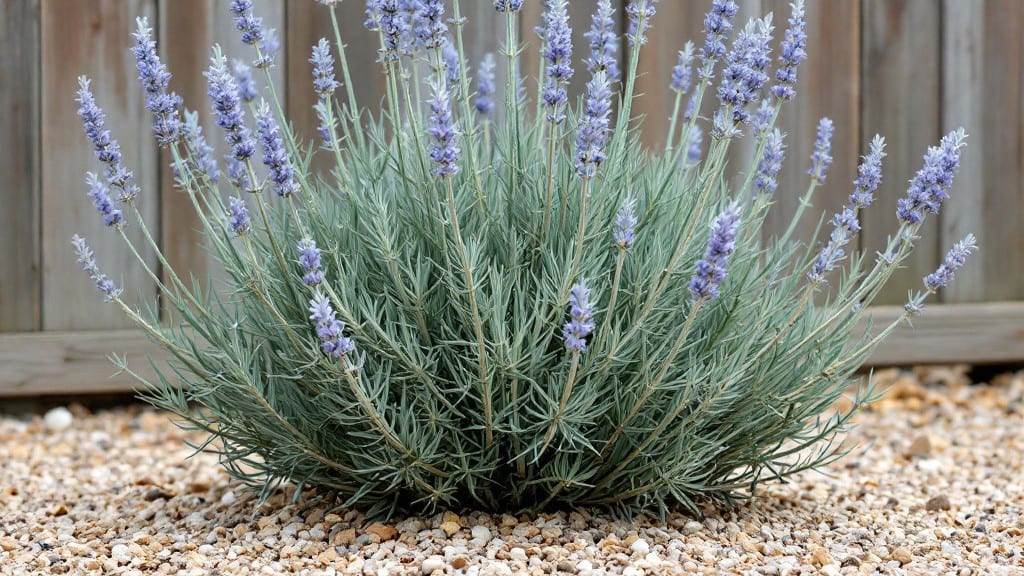
Creating a Mediterranean garden design transforms your yard into a sun-drenched escape where lavender hums with bees and olive trees sway against blue skies. I’ve designed these gardens in both dry climates and milder zones, and the key is layering drought-tolerant plants with rustic hardscaping that feels timeless.
The scent of rosemary brushing past stone pathways? That’s the magic right there—simple, sensory-rich, and built to last.
You’ll need a mix of sun-loving perennials like thyme and salvia, structural plants like cypress or olive trees, and hardscaping elements like terracotta pots or flagstone paths. The layout should flow from open terraces to shaded nooks, with herbs and citrus tucked into corners where they thrive.
Most designs rely on mulching to lock in moisture, cutting water use by nearly half while keeping the soil cool.
What you end up with is a garden that stays lush even in summer heat, with blooms from spring through fall and fragrant foliage year-round. The terraces become perfect spots for morning coffee, while the herb spirals provide fresh flavors straight from your backyard.
It’s not just pretty—it’s functional, sustainable, and designed to age beautifully.
Whether you’re in California or the Southeast, the principles adapt easily. Swap out olive trees for magnolias in cooler areas, and use gravel instead of stone if your soil drains poorly.
The Mediterranean style isn’t about perfection—it’s about creating a space that feels like a sunlit retreat, no matter where you live.
📚 In This Guide
- What you need
- Instructions
- Tips and common mistakes
- Wrapping up and next steps
What you need
- ● Soil & Amendments: Well-draining garden soil (10–15 cubic yards, depending on space)
- ● Compost (2–3 bags) for enriching soil
- ● Sand or gravel (1–2 bags) for improving drainage
- ● Hardscaping: Flagstone or slate pavers (50–100 sq. ft., 1–1.5" thick) for pathways
- ● Terracotta pots (6–12, varying sizes for plants and herbs)
- ● Clay or stone planters (3–5, for focal points like citrus trees)
- ● Wooden trellises (2–3, for climbing plants like jasmine or grapes)
- ● Plants & Herbs: Drought-tolerant shrubs (e.g., rosemary, lavender, olive trees—3–5 plants)
- ● Mediterranean perennials (e.g., salvia, thyme, oregano—10–15 plants)
- ● Citrus trees (1–2 dwarf varieties for pots)
- ● Climbing vines (e.g., bougainvillea, clematis—2–3 plants)
- ● Must-Have: Shovel & spade (for digging and transplanting)
- ● Pruners (bypass or anvil type for clean cuts)
- ● Wheelbarrow (for hauling soil and materials)
- ● Level & measuring tape (for precise hardscaping)
- ● Garden hose with adjustable nozzle (for watering)
- ○ Optional (But Helpful): String line & stakes (for marking layouts)
- ● Rubber mallet (for setting pavers)
- ● Garden kneeler (for comfort during planting)
- ● Soil pH tester (to ensure optimal conditions)
- ● Site Prep: Clear existing vegetation (or mulch for composting)
- ● Test soil drainage (Mediterranean gardens hate soggy roots!)
- ● Design Layout: Sketch a rough design with zones (e.g., herb spiral, seating area, citrus grove)
- ● Plan for sun exposure—most Mediterranean plants thrive in 6+ hours of sunlight.
- ● Local Considerations: Check frost dates in your area (some plants, like citrus, need winter protection).
- ● Use native or adapted plants to reduce water needs (💡 Pro Tip: Research USDA Hardiness Zones for your region!).
Instructions for crafting a Mediterranean garden with timeless appeal
This design thrives on simplicity and structure—layered plants that bring color year-round while requiring minimal fuss.
Define Your Garden’s Foundation With Hardscaping
Start by sketching your space and marking where paths, patios, or seating areas will go. Mediterranean gardens rely on clean lines, so use materials like flagstone, gravel, or weathered wood for pathways—these reflect the region’s rustic charm while keeping maintenance low. I like to outline paths with 2-3 inch thick gravel edged by low stone borders, which prevents soil erosion and defines the space neatly.
For seating areas, opt for simple stone benches or mosaic-topped tables. These elements anchor the design and create focal points that draw the eye. Leave at least 4 feet of open space around seating to allow for easy movement and plant access. Here’s the thing—Mediterranean gardens feel effortless, so avoid cluttering the space with too many structures. Less is more, and every element should serve a purpose, whether functional or aesthetic.
Build Soil Layers for Drought-Tolerant Plants
Mediterranean plants thrive in well-draining soil, so amend your garden beds with 3-4 inches of coarse sand or gravel mixed into the top 12 inches of soil. This mimics the region’s rocky terrain and prevents waterlogging, which is critical for root health. I also add a 2-inch layer of compost to retain moisture and nutrients without compacting the soil.
For raised beds, use untreated wood or stone borders filled with a mix of 60% native soil, 30% coarse sand, and 10% compost. This blend ensures drainage while providing enough organic matter for plants to flourish. Test your soil’s pH—most Mediterranean plants prefer a slightly alkaline to neutral range (6.5-7.5). If your soil is too acidic, mix in 1-2 pounds of crushed limestone per square foot to adjust it gradually.
Plant in Three Distinct Layers for Depth and Texture
Begin with tall, structural plants like olive trees, lavender, or rosemary at the back or center of your design. These anchor the space and provide height. Space them 6-8 feet apart to allow for mature growth without overcrowding. Next, add mid-height shrubs such as thyme, sage, or dwarf citrus in 3-4 foot clusters. These fill the middle layer and create a lush backdrop for smaller plants.
Finally, layer in ground covers and perennials like creeping thyme, ice plant, or sedum to cover the soil and suppress weeds. These plants thrive in dry conditions and add texture and color. I like to group plants with similar water needs together—this makes irrigation easier and ensures no plant is over- or under-watered. For example, place drought-tolerant succulents near gravel paths where they’ll receive minimal moisture.
Incorporate Water Features for a Mediterranean Touch
A small fountain, shallow pool, or even a simple stone trough adds the signature Mediterranean ambiance while attracting birds and beneficial insects. Place it near seating areas so the sound of water enhances relaxation. For a low-maintenance option, use a pre-formed fiberglass basin filled with 2-3 inches of water and surround it with smooth river rocks. This creates a natural, rustic look without requiring constant upkeep.
If you’re adding a fountain, choose one with a recirculating pump to minimize water waste. Position it in partial shade to reduce evaporation and algae growth. The key is to keep it simple—Mediterranean water features are more about atmosphere than complexity. A small, well-placed feature will draw the eye and become a focal point without overwhelming the space.
Add Finishing Touches With Lighting and Decor
String solar-powered string lights or install low-voltage landscape lighting along pathways and near seating areas to highlight plants and create evening ambiance. I prefer warm-white bulbs, as they mimic the soft glow of Mediterranean sunsets. Place lights at eye level or slightly lower to illuminate plants without casting harsh shadows.
For decor, incorporate terracotta pots, wrought-iron trellises, and weathered wood accents to enhance the rustic aesthetic. Avoid plastic or overly modern elements—they disrupt the garden’s timeless feel. A few well-placed clay urns filled with lavender or rosemary can add height and fragrance without clutter. The goal is to blend functionality with beauty, so every addition should serve a purpose, whether practical or decorative.
Tips & tricks for perfect Mediterranean garden design
A few strategic moves can transform your Mediterranean garden from good to extraordinary—let me share what I’ve learned after years of trial and error.
Layering Secrets: In Step 3, when planting your three layers, I’ve found that spacing tall plants like olive trees 6-8 feet apart creates that signature Mediterranean airiness. The key is to visualize how they’ll grow—leave room for mature height while maintaining that open, sunlit feel. For mid-height shrubs, I group them in 3-4 foot clusters to create natural groupings without looking crowded. This mimics how plants grow in the Mediterranean wild.
Soil Science: The 3-4 inch layer of coarse sand or gravel in Step 2 isn’t just about drainage—it’s about mimicking the region’s rocky soil. I’ve seen gardens fail when people skip this step, especially in clay-heavy soils. Pro tip: If your soil is particularly dense, consider adding 1-2 inches of perlite to the mix for even better drainage. This prevents waterlogging that can rot roots while still providing enough moisture retention.
Water Feature Wisdom: When incorporating your water feature in Step 4, remember that less is more. That 2-3 inch water depth in your basin creates just enough reflection without becoming a maintenance burden. I’ve seen beautiful gardens ruined by overcomplicated fountains—stick to simple designs with smooth river rocks. The goal is ambiance, not complexity. Also, positioning your feature in partial shade (as mentioned) reduces algae growth dramatically—trust me, this saves hours of cleaning later.
Lighting Layering: For Step 5, don’t just place lights randomly along pathways. I recommend installing low-voltage landscape lighting at eye level or slightly lower to highlight specific plants or features. This creates visual interest while keeping the space safe. I’ve found that placing a few lights near seating areas (about 4 feet apart) creates that magical evening glow without overpowering the natural surroundings. Warm-white bulbs are key—they mimic Mediterranean sunsets perfectly.
Pro Tips for Mediterranean Garden Design
- A few strategic moves can transform your Mediterranean garden from good to extraordinary—let me share what I’ve learned after years of trial and error.
- Layering Secrets: In Step 3, when planting your three layers, I’ve found that spacing tall plants like olive trees 6-8 feet apart creates that signature Mediterranean airiness.
- Soil Science: The 3-4 inch layer of coarse sand or gravel in Step 2 isn’t just about drainage—it’s about mimicking the region’s rocky soil.
Frequently asked questions
Got questions about crafting your own sun-drenched Mediterranean garden? Here are some of the most common ones—and their answers!
What are the most essential plants for a Mediterranean garden?
A Mediterranean garden thrives with drought-tolerant plants like lavender, rosemary, olive trees, bougainvillea, and cypress. Succulents (like agave or sedum) and native grasses also work beautifully. Pro tip: Choose plants that love full sun and well-draining soil to mimic their natural habitat.
When is the best time to plant a Mediterranean garden?
The ideal time is early spring or fall—when temperatures are mild and rain is more frequent. Avoid planting in peak summer heat, as young plants may struggle. Bonus: If you’re starting from seeds, sow them in late winter for a head start!
How can I keep maintenance costs low?
Opt for native and drought-resistant plants to cut water bills. Use mulch (like gravel or wood chips) to retain moisture and suppress weeds. Smart move: Install a drip irrigation system—it’s efficient and saves water long-term.
What if my climate isn’t Mediterranean?
Don’t worry! You can still create the look with adaptable plants (like lavender or thyme) and design elements like terracotta pots, stone pathways, and arid-friendly hardscaping. Key trick: Mimic Mediterranean conditions with good drainage and afternoon shade in hotter climates.
How do I prevent pests in a Mediterranean garden?
Pests are less common in Mediterranean gardens, but watch for aphids, snails, or spider mites. Use neem oil or companion planting (like marigolds) to deter them naturally. Prevention tip: Keep the garden tidy—remove debris where pests hide!
Wrapping up and next steps
Creating a Mediterranean garden design is all about embracing warmth, texture, and timeless beauty—layer by layer. From sun-drenched patios to fragrant herbs and drought-tolerant plants, this style blends effortless elegance with practical charm.
Whether you’re starting small or dreaming big, the key is to let nature guide your choices, blending structure with organic flow.
Ready to bring this sun-soaked vision to life? Start with a sketch or mood board—pick your favorite elements (think terracotta pots, olive trees, or a cozy pergola) and take the first step. Your garden’s story is waiting to unfold! 🌿✨