
Landscaping
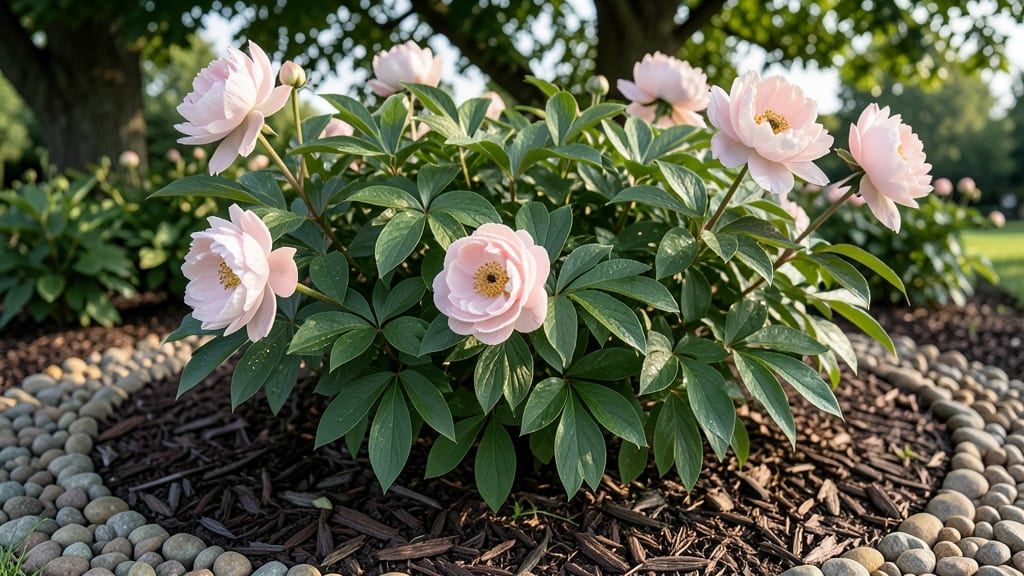
Transforming my heavy clay soil into a thriving landscaping peony garden began with just one stubborn clump—until I unlocked the secrets of layering, sunlight, and the perfect plant pairings. 🌸 the heart of the garden, their velvety petals drawing hummingbirds and butterflies like a magnet.
The key isn’t just planting peonies—it’s designing a stage where they shine while working with their quirks, like needing winter cold to bloom big in spring.
You’ll need a sunny spot with at least 6 hours of morning light, well-draining soil (even if you amend clay), and space to let plants spread—3 feet apart for herbaceous types, 4-5 feet for tree peonies.
The real magic happens in the layers: pair them with lavender for fragrance, salvia for height contrast, or hostas for shade-loving companions. Cottage gardens thrive with peonies as the star, while modern designs might pair them with ornamental grasses or sleek boxwood hedges for structure.
By late spring, you’ll have clouds of blooms in pink, red, or white that last 10-14 days—longer if you deadhead spent flowers and avoid over-fertilizing. The roots, surprisingly tough, reward patience with decades of blooms if you resist the urge to dig them up.
Even in formal gardens, peonies soften edges with their lush foliage, proving they’re the ultimate chameleon plant.
Here’s the twist: peonies hate being transplanted after maturity, so plan their final home carefully. Whether you’re going for a wild, romantic border or a structured perennial bed, the payoff is low-maintenance drama that outshines most annuals. Let’s design yours to last generations.
📚 In This Guide
- What you need
- Instructions
- Tips and common mistakes
- Wrapping up and next steps
What you need
- ● Peony plants: 5–10 bare-root or container-grown peonies (herbaceous or tree types). Choose disease-resistant varieties like 'Sarah Bernhardt' or 'Kansas' for reliable blooms.
- ● High-quality soil: 2–3 cubic yards of well-draining, fertile soil (amend with compost or peat moss if your soil is heavy clay).
- ● Organic mulch: 2–3 bags of wood chips or straw to retain moisture and suppress weeds.
- ● Fertilizer: 5–10 lbs of balanced, slow-release fertilizer (10-10-10 or organic options like bone meal).
- ● Peony supports: 5–10 peony rings or stakes (if growing tall varieties).
- ● Garden shovel or spade
- ● Garden fork (for aerating soil)
- ● Pruners (sterilized)
- ● Measuring tape
- ● Wheelbarrow (for moving soil/mulch)
- ● Garden hose or watering can (with a fine rose attachment)
- ● Gloves (heavy-duty for digging)
- ● Drip irrigation system for consistent watering
- ● Garden edging (to define borders)
- ● Decorative stones or gravel for pathways
- ● Companion plants (like lavender or catmint) for color contrast
- ● Pest deterrents (neem oil or diatomaceous earth)
Step-by-step instructions for designing a low-maintenance peony garden
Peonies thrive with minimal fuss once planted right—here’s how to create a fragrant, long-lived display that rewards patience.
🌱 Step 1: Select and Prepare the Planting Site
Peonies demand full sun—at least 6-8 hours daily—and well-draining soil. I always test soil pH first; peonies prefer 6.5-7.5. If your soil is heavy clay, amend it with 3-4 inches of compost mixed into the top 12 inches before planting. Avoid low spots where water pools after rain.
Mark planting locations 3-4 feet apart in rows or clusters. Peonies multiply over time, so give them space to expand without crowding. I sketch a rough grid on paper first—this prevents overplanting and ensures even blooms when they mature.
🪴 Step 2: Plant Bare-Root Peony Crowns at the Right Depth
Dig holes 2 inches deeper than the crown (the swollen base where roots emerge). Place the crown so its eyes (buds) sit 1-2 inches below soil level—burying too deep stunts blooms, while planting too shallow risks frost damage in winter. Spread roots outward in the hole before backfilling.
I firm the soil gently around the roots to eliminate air pockets, then water deeply to settle everything. Mulch with 2-3 inches of shredded bark (not fresh wood chips) to retain moisture and suppress weeds. Avoid piling mulch against the crown—keep it 2-3 inches away to prevent rot.
☀️ Step 3: Establish Watering and Fertilizing Routines
Water newly planted peonies once weekly for the first 4-6 weeks, keeping soil evenly moist but not soggy. After establishment, they’re drought-tolerant, but I still check soil 2 inches deep—if it’s dry, water deeply. Overhead watering can cause fungal issues, so I use a soaker hose at the base.
Fertilize in early spring with a balanced 10-10-10 formula (use ½ pound per 100 square feet). Avoid high-nitrogen fertilizers—they encourage leafy growth at the expense of blooms. I skip fertilizer after mid-July to let plants harden off for winter.
✂️ Step 4: Prune and Maintain for Longevity
Deadhead spent blooms by cutting stems back to the first healthy leaf node (never the foliage). This redirects energy to next year’s buds. I prune in late fall after leaves brown, cutting stems down to 2 inches above the ground. Never prune in spring—new shoots form at the base, and cutting too early removes next year’s blooms.
Divide clumps every 5-7 years in early fall when foliage yellows. Dig up the entire plant, separate crowns with 3-5 eyes each, and replant immediately. Peonies resent being moved, so I only divide when blooms decline—this rejuvenates old plants.
⏰ Step 5: Protect and Prepare for Winter
Peonies are hardy to Zone 3, but young plants benefit from 4-6 inches of mulch in winter. I use straw or shredded leaves (not dense mulch that traps moisture). In Zone 4-5, mound soil 2-3 inches high around the crown for extra insulation.
Spring arrives when shoots emerge—never remove them early. I wait until new growth reaches 4 inches before thinning crowded shoots to 3-5 per crown. This ensures strong blooms while preventing overcrowding.
Tips & tricks for perfect peony garden landscaping
Here's what I've learned after years of growing peonies—these tricks will help you avoid common pitfalls and create a garden that thrives for decades.
The Sunlight Factor: While peonies need at least 6-8 hours of sun daily, morning sun with afternoon shade works best in hot climates. I've noticed that peonies in full afternoon sun often get sunburned leaves—watch for yellowing or crispy edges. If your location has intense afternoon sun, consider planting near trees that provide dappled shade.
Soil Prep Secret: Don't skip the soil test! Peonies hate soggy soil, so if your clay soil drains poorly, mix in 3-4 inches of compost into the top 12 inches of soil. For even better drainage, I add a handful of perlite to each planting hole—this prevents waterlogging while still maintaining moisture. The key is creating that well-draining environment without sacrificing nutrients.
Planting Depth Technique: The most critical step is getting the planting depth right. I use a simple trick: after placing the crown with eyes 1-2 inches below soil level, I draw an imaginary line at soil level and mark it with a stick. This visual reference prevents me from burying too deep or planting too shallow—both mistakes lead to poor blooming. After backfilling, I always press the soil gently but firmly to eliminate air pockets around the roots.
Winter Protection Strategy: In Zone 4-5, I've found that combining 4-6 inches of straw mulch with a 2-3 inch soil mound around the crown creates the perfect insulation. The mulch protects from temperature swings while the soil mound prevents heaving during freeze-thaw cycles. For young plants, I add an extra layer of bubble wrap around the crown before mulching—this gives them that extra protection during their first few winters.
Pro Tips for Landscaping Peony Garden
- Here's what I've learned after years of growing peonies—these tricks will help you avoid common pitfalls and create a garden that thrives for decades.
- The Sunlight Factor: While peonies need at least 6-8 hours of sun daily, morning sun with afternoon shade works best in hot climates.
- Soil Prep Secret: Don't skip the soil test!
Frequently asked questions
Got questions about creating your dream landscaping peony garden? You’re not alone! Here are answers to the most common queries to help you design a fragrant, low-maintenance paradise that blooms beautifully for decades.
When is the best time to plant peonies for a long-lasting garden?
The ideal time to plant peonies is in early fall (4–6 weeks before the ground freezes) or early spring (as soon as the soil is workable). Fall planting gives roots time to establish before winter, while spring planting works in milder climates. Avoid planting in extreme heat or frost—peony roots are sensitive to stress!
How much sunlight do peonies need, and what if my yard doesn’t get enough?
Peonies thrive in full sun (6–8 hours daily), but they tolerate partial shade (4–6 hours), especially in hot climates. If your yard is shady, opt for tree peonies (Paeonia lactiflora) or intersectional hybrids, which adapt better. Just expect slightly smaller blooms in low-light spots.
Are peonies prone to pests or diseases? How do I keep them healthy?
Peonies are generally pest-resistant, but watch for leaf blight, botrytis blight, or peony leaf miner. To prevent issues:
- Space plants 3–4 feet apart for airflow.
- Avoid overhead watering (water at the base).
- Remove and destroy infected foliage in fall.
- Apply fungicide (like neem oil) if blight appears.
Can I grow peonies in containers? What’s the best setup?
Yes! Peonies adapt well to large containers (18"+ diameter) with these tips:
- Use a well-draining mix (60% soil, 30% compost, 10% perlite).
- Water deeply 2–3x/week (containers dry faster).
- Place in full sun and move to shade if leaves scorch.
- Overwinter containers with extra mulch or move to a sheltered spot.
How long do peonies take to bloom, and why aren’t mine flowering yet?
Peonies are patient plants—they often take 2–3 years to bloom after planting. If yours aren’t flowering:
- Check planting depth: “eyes” (buds) should be 2” below soil (too deep = no blooms!).
- Ensure full sun (partial shade delays blooms).
- Avoid over-fertilizing (peonies hate rich soil—use low-phosphorus fertilizer).
- Wait it out! Some heirloom varieties take up to 5 years.
Wrapping up and next steps
A peony garden isn’t just a landscape feature—it’s a fragrant, long-lasting masterpiece that brings joy for decades! With the right soil, sunlight, and care, these stunning blooms will reward you with vibrant colors and intoxicating scents year after year.
Whether you’re a seasoned gardener or just starting, your peony haven is well within reach.
Ready to dive in? Start by sketching your dream layout—then gather your tools and plants. Before you know it, you’ll be surrounded by lush, blooming clouds of color! 🌸