
Container Gardens
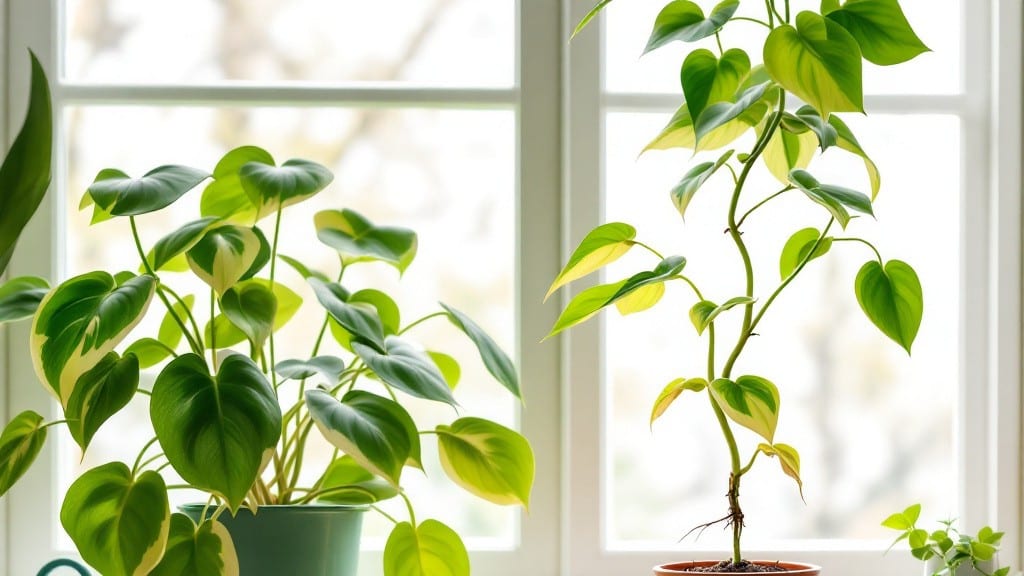
Indoor gardening activities can turn any space into a lush, green retreat without the fuss of outdoor growing. 🌿 I’ve spent years experimenting with creative projects—from tiny terrariums to vertical walls—that bring life indoors, even when winter locks the world outside.
The best part? These activities don’t require a green thumb or expensive setups; just a little imagination and the right plants.
Think beyond traditional pots: fairy gardens in glass jars, self-watering planters made from recycled bottles, or a mini succulent wall on a windowsill. Each project teaches something new—like how humidity affects ferns or why some plants thrive in shade.
You’ll end up with a space that feels alive, not just decorated, and the process is oddly satisfying, like crafting with living art.
By the end, you’ll have a collection of projects that adapt to your space and schedule—whether it’s a 5-minute weekly check-in for herbs or a weekend build for a vertical garden.
The results? Fragrant basil for cooking, delicate moss for decor, and the quiet joy of watching something grow, even in a tiny apartment. Ready to bring the garden inside?
No two indoor gardens look the same, which is the fun part. Swap out plants for different seasons—air plants in winter, flowering vines in spring—and let your space evolve.
The key is starting small, staying curious, and letting the plants guide you. After all, the best indoor gardens grow from joy, not rules.
📚 In This Guide
- What you need
- Instructions
- Tips and common mistakes
- Wrapping up and next steps
What you need
- ● Containers: 3–5 drainage-tray-equipped pots (6–12 inches in diameter, depending on plant size)
- ○ 1–2 self-watering planters (optional but highly recommended for beginners)
- ● Growing Medium: 2–3 bags of lightweight potting mix (avoid garden soil—it compacts and drains poorly!)
- ● 1 bag of perlite or vermiculite (for aeration, 1 part per 4 parts soil)
- ● Seeds or Seedlings: 5–10 fast-growing seeds (e.g., basil, lettuce, mint, or pre-sprouted microgreens)
- ● OR 3–5 small potted plants (succulents, herbs, or dwarf varieties)
- ● Basic Tools: 1 hand trowel (for transplanting)
- ● 1 spray bottle (for gentle watering)
- ○ 1 moisture meter (optional but game-changing for overwatering)
- ● LED grow lights (12–16 hours/day for low-light setups)
- ● Fertilizer spikes or liquid feed (balanced 10-10-10 or organic options)
- ● Decorative pebbles or moss (for aesthetics in drainage trays)
- ● Humidity dome or tray (for tropical plants like ferns)
Step-by-step indoor gardening activities for year-round greenery
Here’s how to keep your space lush without the fuss—just plants, light, and simple routines.
🌱 Step 1: Select Low-Maintenance Plants for Your Space
Start with 4 easy-care plants that thrive indoors: snake plants, pothos, spider plants, or ZZ plants. These handle low light and irregular watering—perfect for beginners. Avoid fussy varieties like ferns or calatheas unless you’re ready to babysit humidity and light.
Check your space for bright indirect light (near windows but not direct sun) or low-light corners (where these plants will still survive). Place pots on sturdy surfaces—drainage holes mean water pooling, so use saucers or trays to catch spills.
🪴 Step 2: Prepare Pots and Soil for Healthy Roots
Use 4-inch diameter pots with drainage holes for your plants. Fill each with 2 cups of well-draining potting mix—avoid garden soil, which compacts and suffocates roots. I like adding a handful of perlite to the mix for extra airflow.
Tap the pot gently after filling to settle the soil without packing it down. Press your finger 1 inch deep—if it feels damp but not soggy, you’re good. Overwatering is the #1 killer of indoor plants, so start with slightly dry soil to test your watering routine.
☀️ Step 3: Position Plants for Optimal Growth
Place 2 plants near an east-facing window (gentle morning light) and 2 in a north-facing corner (low light). Rotate pots quarter-turn weekly so plants grow evenly toward the light. You’ll notice leaves leaning? That’s your cue to adjust their position.
If your space has no natural light, supplement with a grow light for 12-14 hours daily. Keep it 6 inches above plants—too close burns leaves, too far stunts growth. Test with your hand: if it feels warm but not hot, the distance is right.
💧 Step 4: Establish a Watering Routine
Water when the top inch of soil feels dry—stick your finger in to check. Most indoor plants need water every 7-10 days, but adjust based on your home’s humidity. Mist leaves weekly for tropical varieties like pothos, but skip it for snake plants (they hate dampness).
Use room-temperature water to avoid shocking roots. Pour slowly until water drains through the bottom, then empty the saucer after 10 minutes to prevent root rot. Overwatering is silent—yellow leaves or mushy stems mean you’ve gone overboard.
✂️ Step 5: Prune and Propagate for Fullness
Trim leggy stems just above a leaf node to encourage bushier growth. Use clean scissors to avoid tearing leaves. For pothos or spider plants, snip 4-inch stem cuttings with leaves attached—place them in water to root in 2-3 weeks. You’ll have free plants to share or expand your collection!
Wipe leaves monthly with a damp cloth to remove dust, which blocks light absorption. This simple step keeps plants vibrant and reduces pest risks. If you spot yellow leaves, don’t panic—it’s often just overwatering or too much light. Adjust and observe for a week before reacting.
Tips & tricks for perfect indoor gardening activities
Took me a while to figure out these tricks—now my indoor plants thrive year-round with minimal effort.
Lighting Secret: If your space has no windows, place your grow light on a timer for those 12-14 hours daily. I use a simple plug-in timer so I never forget. For plants near windows, rotate them quarter-turn weekly—you'll notice leaves leaning toward the light within days. This keeps growth even and prevents lopsided plants.
Soil Test Tip: Before adding plants to your 4-inch pots, press your finger 1 inch deep into the 2 cups of potting mix. It should feel like a damp sponge—not wet, not dry. If it's too compacted, add another handful of perlite for better airflow. This prevents that dreaded root rot before it starts.
Watering Wisdom: The 10-minute drain rule is non-negotiable. After watering, leave plants in saucers for exactly 10 minutes, then empty any excess. I set a timer on my phone so I don't forget—waterlogged roots are silent killers. For tropical plants like pothos, mist leaves weekly, but skip this for snake plants entirely.
Propagation Hack: When snipping those 4-inch stem cuttings for propagation, make sure each has at least 2-3 leaves. Place them in a glass of water with just the nodes submerged—you'll see roots forming in about 2 weeks. This is how I've multiplied my collection without spending a dime!
Pro Tips for Indoor Gardening Activities
- Took me a while to figure out these tricks—now my indoor plants thrive year-round with minimal effort.
- Lighting Secret: If your space has no windows, place your grow light on a timer for those 12-14 hours daily.
- Soil Test Tip: Before adding plants to your 4-inch pots, press your finger 1 inch deep into the 2 cups of potting mix.
Frequently asked questions
Got questions about diving into indoor gardening? You’re not alone! Here are some of the most common queries—plus quick, no-stress answers to get you growing.
What’s the easiest plant to grow indoors for beginners?
Start with snake plants or pothos—they thrive in low light, need minimal water, and bounce back from neglect. Zamioculcas zamiifolia (ZZ plant) is another rockstar for beginners. All three tolerate dry air and irregular watering, making them perfect for busy lifestyles.
How often should I water my indoor plants?
There’s no one-size-fits-all rule, but stick your finger 1–2 inches into the soil. If it’s dry, water thoroughly until it drains from the bottom. Most plants prefer underwatering over overwatering. A general guideline:
- Succulents: Every 2–3 weeks
- Herbs/leafy greens: Weekly (or when soil feels dry)
- Tropicals (like ferns): Every 5–7 days
Can I grow plants indoors without natural sunlight?
Grow lights
are a game-changer for low-light spaces. LED or fluorescent grow lights (12–16 hours/day) work well for herbs, microgreens, and leafy veggies. For zero-cost options, place plants near bright windows (even north-facing) or rotate them weekly for even growth. Herbs like basil can thrive under kitchen lights!
What do I do if my indoor plant gets pests?
Don’t panic! Start with neem oil or insecticidal soap (mix 1 tsp neem oil + 1 tsp mild soap in 1 quart water; spray leaves). For stubborn pests like spider mites, wipe leaves with a damp cloth or rinse under water. Isolate the plant to prevent spreading. Prevention tip: Inspect new plants before bringing them inside!
How can I make indoor gardening work in a small apartment?
Maximize vertical space with wall-mounted planters, hanging pots, or tiered shelves. Opt for compact varieties like dwarf citrus trees, cherry tomatoes (bush types), or air plants that need no soil. Use self-watering containers to reduce clutter, and choose dual-purpose furniture (e.g., a windowsill herb planter that doubles as a spice rack).
Wrapping up and next steps
Indoor gardening is your ticket to year-round greenery—no green thumb required! Whether you’re growing herbs in a sunny kitchen window or nurturing low-light plants in a cozy corner, these zero-fuss activities bring life, color, and fresh air into your home.
Start small, experiment with what thrives in your space, and watch your confidence (and plants!) grow.
Ready to dive in? Pick one plant or project this week—your future self (and hungry herbs) will thank you! 🌱✨