
Container Gardens
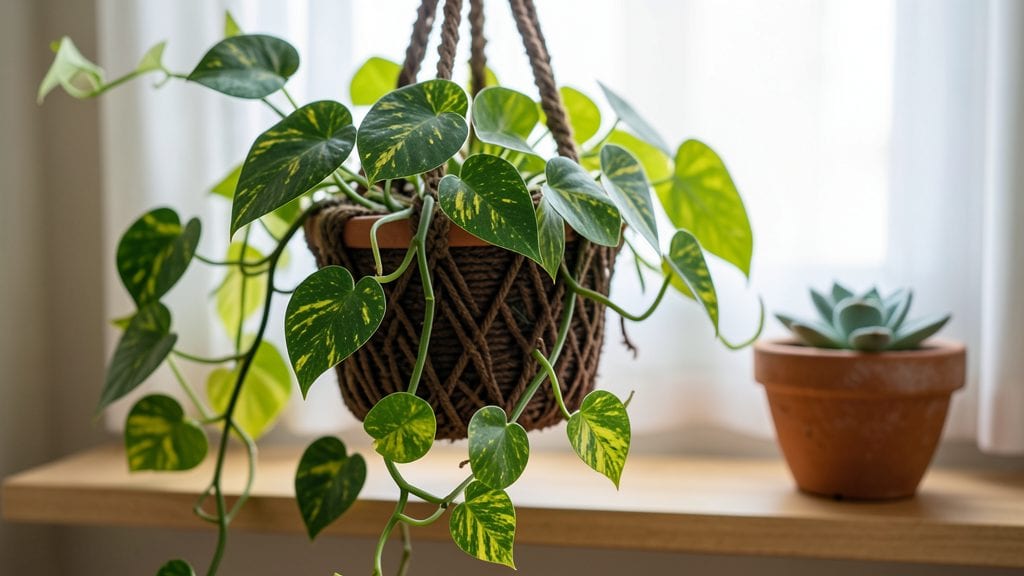
Indoor apartment gardens turn tiny spaces into lush, living rooms that never stop growing. 🌿 I’ve turned my 400-square-foot studio into a green sanctuary by stacking shelves, hanging plants, and choosing varieties that fit my light levels—no fancy setup required.
The key is matching plants to your space’s natural conditions, not fighting them.
Start with plants that thrive in low light like pothos, snake plants, or ZZ plants—they’re nearly indestructible and grow well under fluorescent bulbs. Add a few herbs like basil or mint near a sunny window for fresh flavors, and consider vertical gardens for walls or corners.
A small grow light on a timer can transform a dim corner into a thriving spot for lettuce or microgreens.
You’ll end up with a garden that looks intentional, not cluttered—think trailing ferns spilling from shelves, succulents in geometric pots, or a mini Zen garden on a windowsill.
The air stays fresher, your space feels alive, and you’ll have plants that actually grow instead of just survive. Best of all, it’s adaptable to any apartment layout.
No green thumb needed—just a little creativity and the right plant choices. Whether you’re renting or own, this approach works for any space, big or small. Let’s make that apartment bloom!
📚 In This Guide
- What you need
- Instructions
- Tips and common mistakes
- Wrapping up and next steps
What you need
- ● Containers: 3–5 pots or planters (5–10 inches in diameter) with drainage holes. Tip: Choose materials like terracotta, ceramic, or fabric (for flexibility).
- ● Potting Soil: 5–10 lbs of lightweight, well-draining mix (e.g., cactus/succulent blend or all-purpose potting soil with perlite).
- ● Seeds or Seedlings: 3–5 low-light-tolerant plants (e.g., snake plants, pothos, ZZ plants, or herbs like basil/mint).
- ○ Optional: Pre-germinated seedlings for faster growth!
- ● Drainage Tray or Saucer: 1–2 shallow trays to catch excess water.
- ● Watering Can or Spray Bottle: A gentle sprayer works best for delicate plants.
- ● Grow Lights (if low-light): 1–2 LED grow lights (10–12 watts per plant) for 12–16 hours/day.
- ● Fertilizer: Balanced liquid fertilizer (5-5-5 or 10-10-10 NPK ratio) or slow-release granules.
- ● Decorative Elements: Pebbles, moss, or decorative stones for aesthetics.
- ● Plant Labels: Chalkboard tags or popsicle sticks to track plant names.
- ● Humidity Tray: A shallow tray with pebbles and water to boost moisture for tropical plants.
- ● Self-Watering System: Wick-based or reservoir pots for hands-off care.
- ● Plant Stand or Shelf: Adjustable height for optimal light exposure.
Instructions for designing an indoor apartment garden
Here's how to create a thriving indoor garden using minimal space and smart design.
🪴 Step 1: Choose the Right Containers for Your Space
Start with containers that match your apartment's decor while meeting plant needs. I like using stackable planters for vertical space and wall-mounted pots to free up floor room. For the 4 plants we're growing, select containers with drainage holes—no exceptions. If your chosen pots don't have them, drill holes yourself to prevent root rot.
Measure your available surfaces first. A 12-inch shelf can hold 2-3 medium pots, while a sunny windowsill might fit 4 small containers. Place taller plants at the back and shorter ones in front to maximize light exposure for all. I always check container depth—most herbs need at least 6 inches, while leafy greens can thrive in 8-inch pots.
☀️ Step 2: Select Plants That Thrive in Low Light
Not all plants are equal in apartment conditions. For 4 plants, I recommend starting with snake plants (nearly indestructible), pothos (trailing beauty), peperomia (compact and colorful), and ZZ plants (drought-tolerant). These four handle low to moderate light perfectly and require minimal care.
Check your light sources first. A north-facing window works for all four, while east or west might need occasional rotation. South-facing windows can get too intense—watch for leaf burn on peperomia if it gets direct afternoon sun. Place taller snake plants near the window and let pothos trail from shelves or hangers.
💧 Step 3: Set Up a Watering Schedule That Works
Overwatering kills more apartment plants than anything else. For our 4 plants, I use the "finger test" method: stick your finger 1 inch deep into the soil. If it feels dry, water thoroughly until water runs out the drainage holes. Most of these plants prefer dry soil between waterings—typically every 7-10 days depending on your apartment's humidity.
Group plants with similar water needs together. Place your pothos and peperomia near each other (they like slightly more moisture), while snake plants and ZZ plants can go in drier spots. Use a small watering can with a narrow spout to target each plant's soil directly—avoid misting the leaves, which can cause fungal issues.
🌿 Step 4: Optimize Airflow Without Drafts
Good airflow prevents pests and diseases, but apartment plants hate cold drafts. Place your plants 3-4 feet away from windows, doors, or vents. A small oscillating fan on low setting near your plants creates gentle movement without disturbing them. This mimics outdoor conditions and helps prevent powdery mildew, especially on peperomia.
Check for hidden drafts—even a slightly open window at night can chill plants. If your apartment has central AC, move plants away during peak cooling hours. Rotate your containers a quarter turn weekly so all sides get equal airflow. You'll notice stronger stems and glossier leaves within a few weeks of consistent airflow.
⏰ Step 5: Maintain Through Seasonal Changes
Indoor plants experience seasonal shifts too. During winter, when apartments get dry from heating, increase humidity by placing pots on pebble trays filled with water. For summer, move plants away from hot windows that can bake roots. Adjust watering—most plants need less water in winter when growth slows.
Fertilize lightly every 6-8 weeks using a balanced liquid fertilizer (half-strength). I skip fertilizing in winter unless you see new growth. Dust leaves occasionally with a damp cloth—this mimics natural rain and helps plants photosynthesize better. Watch for pests like spider mites (tiny webs on undersides of leaves) and treat immediately with neem oil if needed.
Tips & tricks for perfect indoor apartment gardens
Creating a thriving indoor garden doesn't have to be complicated—just a few smart strategies make all the difference in keeping your plants happy and healthy.
Container Selection: In Step 1, when choosing containers, prioritize materials that match your apartment's decor while also meeting plant needs. Terracotta pots work beautifully for snake plants and peperomia because they wick away excess moisture, but avoid them for pothos and ZZ plants—they dry out too quickly. For wall-mounted pots, use suction cups or adhesive hooks rated for at least 10 pounds each to ensure stability, especially in high-traffic areas.
Light Optimization: During Step 2, if your apartment only has limited light options, consider adding a small LED grow light for 4-6 hours daily to supplement natural light. Place it 6-12 inches above your plants and use it to extend the daylight hours for peperomia and pothos, which need more light than snake plants or ZZ plants. Rotate your containers weekly to ensure even light exposure all around.
Watering Wisdom: When implementing the finger test in Step 3, remember that soil texture varies—sandy soil dries faster than clay-based mixes. For your 4 plants, adjust the 7-10 day watering schedule based on what you feel: pothos and peperomia soil should feel slightly moist at 1 inch deep, while snake plants and ZZ plants can tolerate drier conditions. Always water in the morning to allow excess moisture to evaporate before nightfall.
Pest Prevention: In Step 4, while optimizing airflow, keep an eye out for spider mites—those tiny webs on peperomia leaves are their calling card. If you spot them, isolate the affected plant immediately and treat with neem oil mixed with water (1 tablespoon per quart) every 5 days until they disappear. A small oscillating fan on low setting near your plants also creates an environment mites dislike.
Pro Tips for Indoor Apartment Gardens
- Creating a thriving indoor garden doesn't have to be complicated—just a few smart strategies make all the difference in keeping your plants happy and healthy.
- Container Selection: In Step 1, when choosing containers, prioritize materials that match your apartment's decor while also meeting plant needs.
- Light Optimization: During Step 2, if your apartment only has limited light options, consider adding a small LED grow light for 4-6 hours daily to supplement natural light.
Frequently asked questions
Got questions about bringing greenery indoors? Here are some of the most common concerns—and their solutions—to help you start your apartment garden with confidence!
What’s the best lighting for indoor plants in small spaces?
Most indoor gardens thrive with bright, indirect light—think near east- or south-facing windows. If natural light is limited, supplement with LED grow lights (12–16 hours/day) for leafy greens or herbs. Avoid harsh direct sun, which can scorch delicate leaves. Pro tip: Rotate plants weekly for even growth!
Can I grow vegetables indoors, or should I stick to herbs?
While herbs (basil, mint, parsley) are beginner-friendly, you can also grow compact veggies like cherry tomatoes, lettuce, or dwarf peppers. Use deep containers (6+ inches) and nutrient-rich soil. Just expect smaller yields—think "snack-sized" harvests, not garden abundance.
How often should I water my indoor garden?
Watering depends on your plants and environment, but a general rule: Check soil moisture weekly. Stick your finger 1–2 inches deep—if it’s dry, water thoroughly until it drains from the bottom. Overwatering is the #1 killer, so always use pots with drainage holes and empty saucers after 10 minutes.
When is the best time to start an indoor garden?
Anytime! Unlike outdoor gardens, indoor plants aren’t tied to seasons. Start with fast-growing, low-maintenance plants (like microgreens or wheatgrass) to test your setup. If you’re repurposing a space, spring or summer gives you extra natural light, but grow lights make year-round gardening possible.
What if my plants look sad or stop growing?
Don’t panic! Common fixes:
Yellow leaves? Often means overwatering—let soil dry out.
Leggy or weak? Needs more light—move closer to a window or add a grow light.
Pests? Isolate the plant and treat with neem oil or insecticidal soap.
Most issues are fixable with a little troubleshooting. Pro tip: Take photos of symptoms for easy diagnosis!Wrapping up and next steps
Creating an indoor apartment garden is more than just a trend—it’s a rewarding way to bring nature into your living space while enjoying fresh herbs, veggies, or flowers year-round. 🌱 With the right containers, lighting, and care, even small spaces can flourish!
Whether you’re a beginner or a seasoned plant parent, start small, experiment with what works, and watch your green sanctuary grow.
Ready to take the next step? Pick one plant or container today and let your indoor garden journey begin—your future self (and your plants!) will thank you. 🌿