
Size
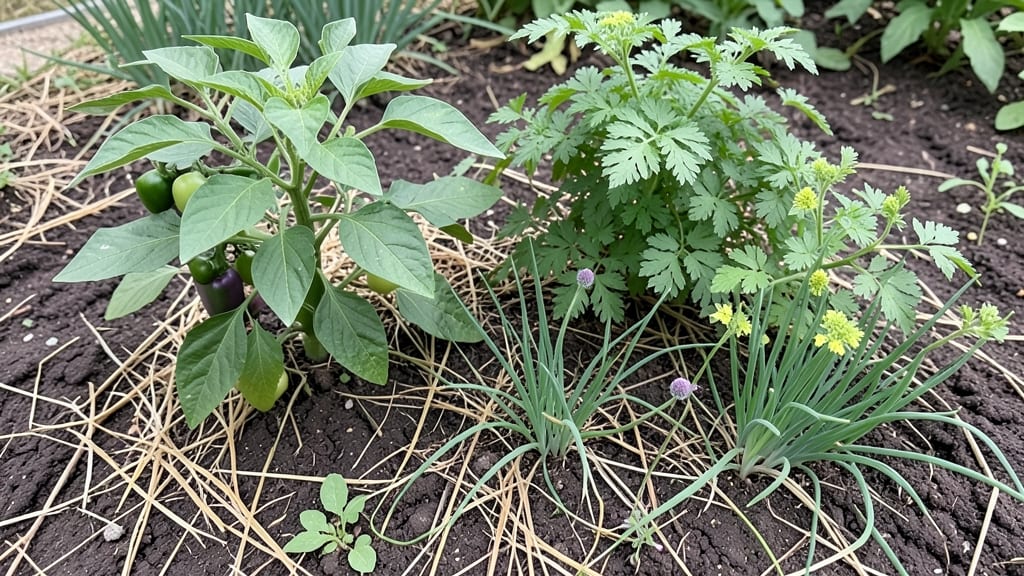
Growing a salsa garden isn’t just about fresh ingredients—it’s about turning your patio or windowsill into a flavor factory. ✨ I’ve packed cilantro, jalapeños, and cherry tomatoes into 12-square-foot containers that produce more than my old in-ground plot, and the secret is in the spacing and timing.
The right mix of heat, herbs, and acidity grows together, so you’re always one harvest away from restaurant-quality salsa.
You’ll need three key components: a sunny spot (at least 6 hours of light daily), well-draining soil, and containers with drainage holes. Start with fast growers like cilantro and basil—plant them first—then add peppers and tomatoes as seedlings.
The trick is succession planting: sow cilantro every 2-3 weeks so it never bolts, and prune peppers aggressively to keep them productive. Even in small spaces, this method delivers harvests every 4-6 weeks.
Picture this: bright green cilantro with a citrusy kick, glossy red cherry tomatoes, and peppers that blister with heat—all within arm’s reach. The first batch of salsa you make will taste so vibrant you’ll question why you ever bought store-bought.
And when pests show up (they will), a quick spray of neem oil or a shake of beneficial nematodes keeps things under control without chemicals.
This works for balconies, rooftops, or even a sunny kitchen window. The only rule? Start small, taste as you go, and adjust the heat levels by swapping pepper varieties. By summer’s end, you’ll have enough salsa to share—and the confidence to tweak the mix for next season.
📚 In This Guide
- What you need
- Instructions
- Tips and common mistakes
- Wrapping up and next steps
What you need
- ● Seeds or seedlings: Tomatoes (e.g., Roma, Cherry, or San Marzano) – 5-10 plants
- ● Peppers (e.g., jalapeño, serrano, or poblano) – 3-5 plants
- ● Onions (e.g., red or yellow) – 2-3 plants
- ● Cilantro – 1-2 plants
- ● Garlic – 1 head (for planting cloves)
- ● Containers or garden space: 5-gallon pots or fabric grow bags (for each plant)
- ● OR raised beds (at least 12" deep)
- ● Potting mix: High-quality, well-draining mix (e.g., Miracle-Gro Moisture Control or FoxFarm Ocean Forest)
- ● Fertilizer: Balanced organic fertilizer (e.g., 10-10-10 or compost)
- ● Watering can or hose with gentle nozzle
- ● Garden gloves
- ● Pruning shears
- ● Trellis or stakes (for tomato support)
- ● Grow lights (if indoors or low sunlight)
- ● Soil pH test kit (ideal range: 6.0-7.0)
- ● Mulch (to retain moisture)
- ● Pest control (neem oil or companion plants like basil)
Step-by-Step instructions for designing your salsa garden
Here’s how to pack bold flavors into small spaces—no sprawling rows required.
🌱 Step 1: Plan Your Compact Layout for Maximum Flavor
Start by selecting 4 core plants that thrive together: 1 pepper variety (jalapeño or serrano for heat), 1 tomato (cherry or Roma for sweetness), 1 onion (red or white for sharpness), and 1 cilantro (for fresh garnish). Arrange them in a square-foot grid—each plant gets 1 square foot of space, but you’ll interplant them closely (3 inches apart) to maximize yield.
I always sketch a rough diagram first. Place the tomato in the center—it’s the largest—and surround it with the pepper, onion, and cilantro. This ensures all plants get equal sunlight without overcrowding. Use dwarf or bush varieties (like ‘Tiny Tim’ tomatoes or ‘Jalapeño M’ peppers) to save space. If growing in containers, choose 5-gallon pots for tomatoes and 3-gallon pots for the rest.
🪴 Step 2: Prepare Soil and Containers for High-Yield Growth
Fill your chosen space (or containers) with 2 cubic feet of premium potting mix enriched with 1 cup of compost and 1 tablespoon of balanced fertilizer (10-10-10). Mix thoroughly—this ensures roots access nutrients without competing for space. For in-ground gardens, amend the soil with 2 inches of compost and 1 inch of perlite to improve drainage.
If using containers, drill 3-4 drainage holes in the bottom of each pot to prevent root rot. Line the holes with landscape fabric to keep soil in place. Water the mix until it’s evenly moist but not soggy—you’ll see moisture bead on the surface but not pool. This prep step is critical: compacted soil stunts root growth, and salsa plants need vigorous roots to support heavy fruit production.
☀️ Step 3: Plant and Support for Vertical Growth
Dig 1-inch-deep holes for each plant, spacing them 3 inches apart in a square. Gently place seedlings (or transplants) into the holes, ensuring the stem sits just below soil level—this prevents rot while encouraging strong root development. Backfill with soil and firm lightly around the base to eliminate air pockets.
Install bamboo stakes or small cages (4 inches tall) next to each plant immediately. Tomatoes and peppers benefit from early support—even dwarf varieties appreciate a little guidance. For cilantro, tuck it into the northwest corner of the square to avoid shading other plants. Water deeply after planting (about 1 gallon per plant) to settle the soil and encourage root expansion.
💧 Step 4: Water and Feed for Continuous Harvests
Water every 2-3 days during the first 2 weeks, keeping the top 2 inches of soil consistently moist. After that, shift to deep watering once a week, checking for dryness 1 inch below the surface before watering again. Overwatering here leads to blossom-end rot in tomatoes or root rot in peppers—both kill flavor.
Feed plants every 4 weeks with ½ cup of compost tea or a liquid fertilizer (diluted to half-strength). I swear by this routine: it keeps leaves lush and fruit production steady. Watch for yellowing leaves—a sign of nitrogen deficiency—and adjust with a quick-acting fertilizer if needed. Prune suckers from tomatoes and spent flowers from peppers to redirect energy into fruit, not foliage.
✂️ Step 5: Harvest and Extend the Season
Pick peppers when firm and vibrant (jalapeños in 60-70 days, serranos in 50-60 days), and tomatoes when fully colored (cherries in 50-60 days, Romas in 70-80 days). Harvest cilantro before bolting (cut stems 2 inches above soil) and onions when tops yellow (pull entire plant). This encourages regrowth and prevents bitterness.
To extend harvests, cover plants with row fabric when nighttime temps drop below 50°F. This protects peppers and tomatoes from cold snaps, letting you grow into fall. For winter, move containers indoors near a south-facing window or under grow lights (12 hours daily). With this setup, you’ll harvest peppers and cilantro year-round—just adjust watering to match indoor humidity levels.
Tips & tricks for perfect salsa garden design
Between us, the magic of a compact salsa garden isn't just about the plants—it's about the strategy behind them. Here's how I've learned to maximize flavor in minimal space without sacrificing yield.
Plant Placement Strategy: In Step 1, when arranging your square-foot grid, place the cilantro in the northwest corner—not just for aesthetics, but because it's the shortest plant. This prevents it from being shaded by taller neighbors while still giving it access to morning sunlight. I've found that positioning the tomato in the center creates a natural windbreak for the more delicate peppers and onions, which can be crucial during afternoon breezes.
Soil Prep Secret: The 2 cubic feet of premium potting mix in Step 2 is non-negotiable, but here's what nobody tells you—mix in 1 tablespoon of fish emulsion with your balanced fertilizer. The extra nitrogen boosts early growth, and the microbial activity from fish emulsion creates a more vibrant flavor profile in your peppers and tomatoes. Just be sure to water thoroughly after mixing to activate those nutrients.
Support System Hack: Those 4-inch bamboo stakes in Step 3 might seem small, but they're perfect for dwarf varieties. I've switched to lightweight metal spiral ties instead of twine—they last all season without breaking down, and they don't cut into the stems as plants grow. For tomatoes, wrap the ties loosely at first, then tighten as the plant grows to avoid restricting the stem.
Watering Wisdom: The 2-3 day watering schedule in Step 4 works perfectly, but here's my game-changer: use a moisture meter to check that 1-inch depth before watering. I've ruined multiple batches by eyeballing soil moisture—especially in containers where water evaporates faster. A $20 moisture meter saves you from overwatering, which is the #1 cause of flavor loss in salsa gardens.
Pro Tips for Grow A Salsa Garden
- Between us, the magic of a compact salsa garden isn't just about the plants—it's about the strategy behind them.
- Plant Placement Strategy: In Step 1, when arranging your square-foot grid, place the cilantro in the northwest corner—not just for aesthetics, but because it's the shortest plant.
- Soil Prep Secret: The 2 cubic feet of premium potting mix in Step 2 is non-negotiable, but here's what nobody tells you—mix in 1 tablespoon of fish emulsion with your balanced fertilizer.
Frequently asked questions
Got questions about growing your own salsa garden? You’re not alone! Here are some of the most common concerns—and their answers—to help you cultivate a thriving, flavor-packed harvest with ease.
Can I grow a salsa garden in containers or small spaces?
Many salsa ingredients—like peppers, onions, and cilantro—thrive in containers as long as they get at least 6–8 hours of sunlight daily. Opt for shallow pots (12+ inches deep) for root veggies like tomatoes or radishes, and use vertical planters for herbs. Just ensure good drainage to avoid soggy soil!
When is the best time to plant my salsa garden?
For most climates, spring (after the last frost) is ideal, but you can extend your harvest by planting heat-loving peppers (like jalapeños or serranos) in early summer. In warm regions, you can even grow a fall or winter garden under row covers. Check your local frost dates for a head start!
What if my peppers aren’t spicy enough? Can I fix that?
Spice levels depend on variety, maturity, and heat exposure. Try these tricks:
- Harvest peppers when fully ripe—color changes signal peak flavor and heat.
- Plant hotter varieties like habaneros or ghost peppers if you crave fire.
- Use organic fertilizers (like compost or banana peels) to boost natural heat compounds.
What can I substitute if I can’t grow fresh cilantro or lime?
No cilantro? Swap it for parsley, basil, or even arugula for a fresh herbal kick. For lime, try lemon juice + a pinch of salt or key lime zest (if available). Store-bought limes work too—just balance their tartness with a touch of honey or sugar in your salsa!
How do I keep pests away from my salsa garden?
Prevention is key! Use row covers for early planting, and companion plant with basil or marigolds to deter pests. For aphids or spider mites, spray with neem oil or a soapy water solution. Handpick larger pests (like tomato hornworms) early in the morning when they’re sluggish. Rotate crops yearly to break pest cycles!
Wrapping up and next steps
Growing your own salsa garden is a rewarding journey that brings fresh, vibrant flavors straight to your plate—no matter how small your space! 🌱 From selecting the right compact varieties to mastering succession planting, you now have all the tools to cultivate a thriving harvest year-round.
The key is to start small, stay consistent, and let your creativity shine in the kitchen.
Ready to turn your green thumb into a salsa sensation? Pick one or two plants to start this week—whether it’s a fiery jalapeño, a sweet tomato, or a fragrant cilantro—and watch your confidence (and harvest) grow! 🌶️✨ Happy gardening, and may your salsa always be fresh and full of flavor!