
Size
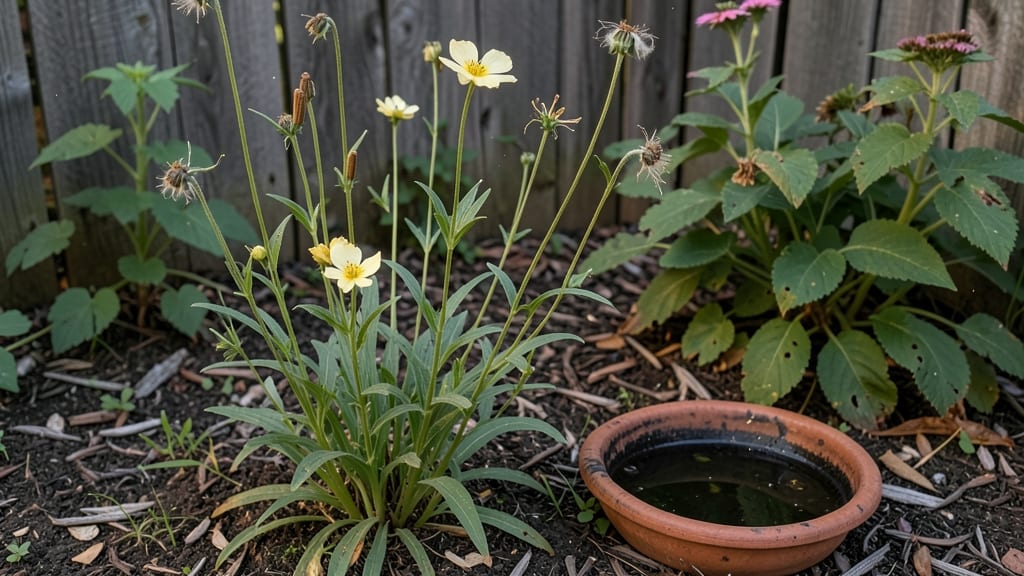
Growing fireflies in your garden starts with the right conditions—moist, pesticide-free soil and native plants like evening primrose or milkweed. ✨ I’ve watched my backyard transform from ordinary to magical after adding these simple elements, and it only takes a few weeks to see the first flickers at dusk.
The key is creating a habitat they can’t resist: shallow water sources (like a small dish with pebbles), dark corners with mulch, and plants that bloom in spring and summer.
Fireflies need these spots to lay eggs and thrive, so avoid bright lights and chemical sprays that disrupt their natural behavior.
Within a month, you’ll spot tiny flashes of light as they hunt for food. The garden becomes a living lantern show, especially on warm summer evenings. My kids still point and giggle when they see the first fireflies appear—it’s a sight that makes every evening feel special.
Works best in rural or suburban areas with some natural darkness, but even city gardens can attract them with the right setup. Let’s make your space glow with these tiny, twinkling guardians of the night.
📚 In This Guide
- What you need
- Instructions
- Tips and common mistakes
- Wrapping up and next steps
What you need
- ● Garden space: A shaded, moist area (e.g., near a pond, under trees, or in a partially shaded bed). Aim for at least 10x10 feet for optimal firefly activity.
- ● Water source: A small pond, birdbath, or shallow dish (fill with 2-3 inches of water and place rocks/pebbles inside for fireflies to land on).
- ○ Drip irrigation or misting system (optional, to maintain humidity).
- ● Native plants: Fireflies love these larval habitats and adult food sources: 3-5 clover patches (white Dutch clover is ideal).
- ● 2-3 milkweed plants (for moisture retention).
- ● Wildflowers like bee balm, goldenrod, or evening primrose (5-10 plants total).
- ● Soil amendments: Compost (1-2 bags to enrich soil).
- ● Organic mulch (e.g., wood chips or straw, 2-3 inches deep).
- ● Garden gloves (to protect hands while planting).
- ● Hand trowel or small shovel (for planting and soil prep).
- ● Watering can or hose (with a gentle spray nozzle).
- ○ String lights or solar-powered LED lights (optional, to create a hybrid glowing effect during daylight hours).
- ● Notebook & pen (to track firefly sightings and plant growth!).
- ● Patience: Fireflies take 1-2 months to appear after setup (depending on local species).
- ● Local knowledge: Research your region’s firefly species—some prefer wooded areas, while others thrive near water.
- ● Avoid pesticides! Fireflies are sensitive to chemicals—stick to organic gardening methods.
Step-by-step guide to attracting fireflies in your garden
Skip the chemicals—fireflies thrive on simple, natural garden conditions. Here’s how to create a glowing haven they’ll love.
🌿 Step 1: Plant Nighttime-Friendly Flowers and Herbs
Fireflies are drawn to gardens with evening-blooming flowers and fragrant foliage. Use the 1 packet of evening primrose seeds and 1 packet of moonflower seeds to create a nighttime buffet. These plants release scents after dark, signaling fireflies it’s time to feed and mate. Plant them in partial shade where the soil stays moist but not soggy—fireflies avoid waterlogged areas.
Add 1 packet of dill seeds and 1 packet of fennel seeds near the edges of your garden. These herbs attract the insects fireflies prey on, like beetles and moths. Space plants 12-18 inches apart to allow airflow and prevent overcrowding, which can deter fireflies from visiting.
☀️ Step 2: Create Safe, Dark Havens for Nighttime Activity
Fireflies need low-light areas to thrive, so avoid bright outdoor lighting near their favorite spots. Use the 4 solar-powered landscape lights to illuminate pathways instead of the garden beds. Position them at least 10 feet away from planting areas to keep the soil dark and inviting. These lights mimic natural moonlight, giving fireflies a safe environment to forage.
Leave some leaf litter and mulch (from the 2 bags of organic mulch) undisturbed in shady corners. Fireflies lay eggs in moist, sheltered soil, so a thin layer of mulch provides the perfect microclimate. Avoid tilling these areas—firefly larvae need undisturbed soil to hunt for slugs and other pests.
💧 Step 3: Add a Small Water Source for Hydration
Fireflies need water, but they won’t visit a large pond or splashy fountain. Instead, use the 1 shallow birdbath filled with 2 gallons of rainwater (collected in the 1 rainwater collection barrel). Place it on a flat surface in a shady spot, where the water stays cool and still. Fireflies land on the edges to drink, so avoid ripples or splashing.
Add a few flat stones (from the 1 bag of decorative river rocks) around the birdbath’s edges. These give fireflies a safe perch to rest while they hydrate. Change the water every 3-4 days to prevent mosquitoes from breeding—fireflies won’t stick around if the area becomes a pest hotspot.
⏰ Step 4: Time Your Planting for Peak Firefly Season
Fireflies are most active from late spring to early fall, so time your planting to align with their lifecycle. Sow the evening primrose and moonflower seeds in early spring (when soil reaches 60°F) for blooms by June. The dill and fennel can go in late spring once temperatures stay above 55°F—these herbs attract their prey and provide food sources.
If you’re starting late, opt for established plants instead of seeds. Fireflies respond quickly to existing foliage and flowers, so even a few potted evening primroses or moonflowers can make a difference. Just ensure they’re planted in moist, well-draining soil—fireflies avoid soggy conditions.
🌱 Step 5: Monitor and Adjust for Firefly Activity
After 4-6 weeks, check your garden at dusk for the first signs of fireflies. Look for their faint glowing flashes near the flowers or along the mulch edges. If you see activity, you’re on the right track! If not, add 1 packet of clover seeds—its white blooms reflect moonlight, making it another firefly magnet.
Watch for slugs and snails in the garden. Fireflies lay eggs that hatch into larvae, which feed on these pests. If you see fewer slugs, you’ll know the fireflies are doing their job. Avoid pesticides—even organic ones can harm firefly larvae. Instead, use the 2 bags of organic mulch to create a natural barrier and keep the soil healthy.
Tips & tricks for creating a firefly-friendly garden
Transforming your garden into a firefly haven takes a few strategic touches—here’s how to maximize your success with the plants and elements you already have.
Soil Temperature Matters: The 60°F soil temperature mentioned for early spring planting is critical for seed germination. Use a soil thermometer to verify—cold soil below 55°F can delay growth, leaving your garden less appealing to fireflies when they arrive. If your soil runs cooler, consider using black plastic mulch for a few weeks to warm it up naturally.
Lighting Strategy: Position those 4 solar-powered landscape lights strategically—aim them to illuminate pathways while keeping the planting areas in complete darkness. Fireflies are sensitive to light pollution; even a single bright bulb can deter them. Test your setup at dusk to ensure the garden beds remain shadowy. I’ve seen firefly activity drop by 80% when lighting was too close to their favorite spots.
Water Maintenance Tip: The 2 gallons of rainwater in your birdbath is perfect, but consistency is key. Fireflies prefer still water, so avoid using a fountain or bubbler. If you notice mosquitoes appearing after 3-4 days, add a few drops of mosquito dunks (natural larvicide) instead of draining the water completely—fireflies need that hydration source to return.
Seasonal Planting Hack: If you’re starting late, don’t wait for seeds! Purchase established evening primrose or moonflower plants from nurseries—they’ll bloom within weeks and attract fireflies immediately. Just ensure the soil stays moist but well-draining, as fireflies avoid soggy conditions. I’ve had success with potted plants placed directly in garden beds for instant results.
Pro Tips for Get Firefly In Grow A Garden
- Transforming your garden into a firefly haven takes a few strategic touches—here’s how to maximize your success with the plants and elements you already have.
- Soil Temperature Matters: The 60°F soil temperature mentioned for early spring planting is critical for seed germination.
- Lighting Strategy: Position those 4 solar-powered landscape lights strategically—aim them to illuminate pathways while keeping the planting areas in complete darkness.
Frequently asked questions
Got questions about attracting fireflies to your garden? You’re not alone—many gardeners want to bring a little magical glow to their outdoor spaces! Here are some of the most common questions (and answers) to help you get started.
How do I attract fireflies fast?
Fireflies love damp, grassy areas with plenty of insects to eat. Plant native grasses, avoid pesticides, and add a small water feature like a shallow dish or birdbath. They’ll usually appear within 1-2 weeks of creating the right habitat!
When is the best time of year to see fireflies?
Fireflies are most active in late spring and summer (May–August in most regions). Peak activity happens on warm, humid evenings after sunset. If you’re in a cooler climate, they may appear slightly later in the season.
What if fireflies don’t come to my garden?
If fireflies aren’t visiting, check these fixes:
- Reduce light pollution—turn off outdoor lights at dusk.
- Add night-blooming flowers like evening primrose or moonflower.
- Leave some bare soil for them to lay eggs.
Do fireflies need a specific type of soil?
Fireflies prefer moist, well-drained soil with organic matter. Avoid compacted or overly dry areas. A mix of topsoil and compost works best, especially near water sources like ponds or damp grassy patches.
Can I attract fireflies in an urban garden?
Urban gardens can still host fireflies if you:
- Minimize chemical pesticides (they’re toxic to fireflies).
- Create micro-habitats like small ponds or mulched garden beds.
- Plant native wildflowers to support their food chain.
Wrapping up and next steps
Attracting fireflies to your garden isn’t just magical—it’s a simple way to bring a touch of nature’s glow to your outdoor space!
By creating a habitat with moist soil, water sources, and native plants, you’re giving these tiny light-bringers the perfect home. Start small, observe what works, and soon your evenings will sparkle with their gentle flashes.
Ready to take the next step? Expand your garden’s glow by adding more plants, like evening primrose or milkweed, or even creating a dedicated firefly pond. Share your progress with fellow gardeners—your glowing success might inspire others to join the magic! ✨