
Size
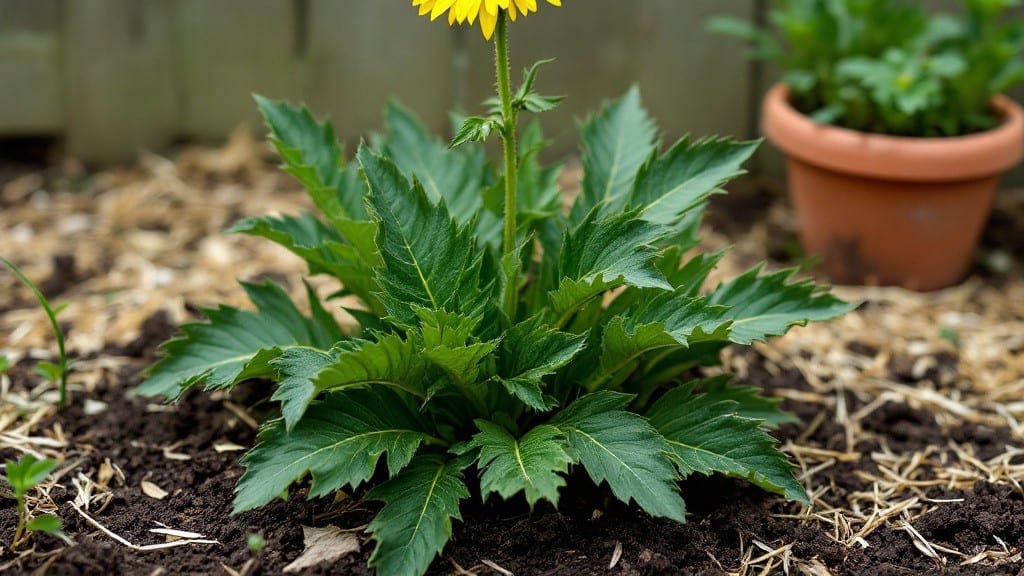
Learning how to get a dandelion in the garden on purpose turns those "weeds" into vibrant pollinator magnets and edible flowers—bees adore them, and they’re shockingly easy to grow! 🌼 The secret starts with saving seeds from the best-looking plants in your yard or buying certified organic seeds online.
You’ll need full sun, well-draining soil, and patience—dandelions pop up fast and spread easily. Direct sow seeds in early spring or late summer, pressing them just below the surface.
Water lightly until established, then let nature take over. They thrive in poor soil and even crack pavement, making them perfect for neglected spots.
Within weeks, you’ll see bright yellow blooms that last all season, followed by fluffy seed heads that feed birds. The roots are edible too, packed with nutrients. Once you try it, you’ll wonder why you ever pulled them out—this is gardening without the fuss.
Works in containers, borders, or wild patches—just avoid overwatering. The more you grow, the more pollinators will visit. Here’s how to make it happen without the guilt.
📚 In This Guide
- What you need
- Instructions
- Tips and common mistakes
- Wrapping up and next steps
What you need
- ○ Dandelion seeds: 1 packet (or collect seeds from mature wild dandelions—see optional tips below).
- ● Garden soil: Well-draining, loose soil (pH 6.0–7.5). Mix in compost (1 part compost to 3 parts soil) for nutrients.
- ● Watering can or hose: With a gentle spray nozzle (dandelions hate soggy roots!).
- ○ Gloves (optional but recommended): To protect hands from prickly seed heads or soil.
- ● Small shovel or trowel: For digging planting holes (2–3 inches deep).
- ○ Mulch (optional but helpful): Straw or shredded leaves to retain moisture and suppress weeds.
- ● Seed-starting tray: For indoor germination (if starting early).
- ● Organic fertilizer: Low-nitrogen, balanced blend (e.g., 5-5-5) for established plants.
- ● Wildflower seed collector: A fine mesh bag to gather dandelion seeds from existing plants.
- ● Plant markers: To label your dandelion patch (if you’re growing them intentionally!).
- ● Pruning shears: For trimming spent blooms to encourage regrowth.
Step-by-step guide to growing dandelions in your garden
Dandelions thrive with minimal effort—here’s how to coax those cheerful blooms from tiny seeds.
🌱 Step 1: Collect and Prepare Dandelion Seeds
Gather mature dandelion seed heads when they’re fully dry and fluffy—usually late summer or early fall. Hold the head upside down over a brown paper bag and tap gently to release seeds. Store them in a cool, dry place until planting. You’ll need about 1 teaspoon of seeds per 10-square-foot area for a natural, scattered look.
If you’re using store-bought seeds, skip this step. Just ensure they’re fresh—older seeds may take longer to germinate. I like to mix a few seeds with sand before scattering to avoid clumping and ensure even distribution.
💧 Step 2: Choose the Right Location and Plant
Dandelions grow almost anywhere but prefer full sun to partial shade. They tolerate poor soil, so no need to amend the ground unless it’s heavily compacted. Scatter seeds lightly over the soil surface—don’t bury them. A light dusting of soil or mulch helps keep seeds in place but doesn’t smother them.
Water gently after planting to settle the seeds into the soil. Avoid overwatering, as dandelions hate soggy roots. You’ll see tiny green sprouts in about 1-2 weeks, though germination can take longer in cooler weather. Thin seedlings to 6-12 inches apart once they’re 2-3 inches tall for a fuller, healthier look.
☀️ Step 3: Maintain with Minimal Care
Dandelions are drought-tolerant once established, so water only if the soil feels dry to the touch. They thrive in full sun but will still bloom in partial shade, though flowers may be smaller. Avoid fertilizers—they encourage leafy growth over blooms, which is why dandelions are so low-maintenance.
Let the plants go to seed naturally to attract pollinators and spread your dandelion patch. If you prefer fewer seeds, cut back spent blooms before they form seed heads. You’ll get year-round blooms if you plant in early spring and again in late summer for a continuous display.
✂️ Step 4: Harvest and Enjoy
Pick dandelion flowers in the morning for the freshest blooms. Snip stems just above a leaf or bud to encourage more growth. You can eat the petals raw in salads or make dandelion wine from the flowers. The deep taproot makes them hard to eradicate, so embrace their persistence—they’re one of nature’s hardiest plants.
For a wildflower meadow vibe, let some dandelions go to seed. They’ll self-sow happily, filling your garden with bright yellow blooms for years. Just be prepared for a few to pop up where you least expect them—dandelions have a way of reminding you that nature always finds a way.
Tips & tricks for perfect dandelion growth in your garden
Dandelions might seem like weeds, but they're actually one of the easiest and most rewarding plants to grow—here's how to make sure your patch thrives.
Timing is Everything: The secret to successful dandelion growth starts with seed timing. Plant in early spring or late summer for year-round blooms, as instructed. In cooler climates, you might want to start seeds indoors 4-6 weeks before the last frost date, then transplant seedlings when soil temperatures reach at least 50°F. This gives them a head start before summer heat arrives.
Seed Distribution Strategy: When scattering those 1 teaspoon of seeds per 10-square-foot area, think of it like snowfall—light and even. I've found that mixing seeds with sand (about 1 cup sand to 1 teaspoon seeds) prevents clumping and helps distribute them more evenly across your planting area. This mimics nature's way of spreading seeds through wind.
Thinning Technique: The 6-12 inch spacing mentioned for thinning seedlings is crucial for their development. Use small scissors or your fingers to snip unwanted seedlings at soil level rather than pulling them. This prevents disturbing the roots of nearby plants and reduces the risk of introducing weeds to your garden. The result? Stronger, healthier dandelions that will bloom more abundantly.
Natural Fertilizer Alternative: While the instructions mention avoiding fertilizers, you can still boost your dandelions naturally. Spread a thin layer of compost around the base of established plants in early spring. This provides nutrients without encouraging excessive leafy growth. Dandelions are tough enough to thrive on their own, but a little compost helps them put on extra energy for bigger blooms.
Pro Tips for Get A Dandelion In Grow A Garden
- Dandelions might seem like weeds, but they're actually one of the easiest and most rewarding plants to grow—here's how to make sure your patch thrives.
- Timing is Everything: The secret to successful dandelion growth starts with seed timing.
- Seed Distribution Strategy: When scattering those 1 teaspoon of seeds per 10-square-foot area, think of it like snowfall—light and even.
Frequently asked questions
Got questions about growing dandelions? You’re not alone!
Here are the most common queries—and straightforward answers—to help you cultivate these resilient, cheerful blooms with confidence.
How long does it take for dandelions to grow from seed?
Dandelions are fast growers! With the right conditions (sunlight, moisture, and loose soil), you’ll see tiny seedlings emerge in 5–7 days. Full blooms typically appear in 4–6 weeks from seed sowing. Patience pays off—just don’t pull them too soon!
Can dandelions grow in hot or cold climates?
Dandelions are hardy survivors! They thrive in USDA zones 3–10, meaning they handle everything from freezing winters to scorching summers. In hot climates, water deeply to prevent bolting (premature flowering). In cold areas, they’ll often re-sprout from roots in spring.
Will dandelions spread uncontrollably in my garden?
Yes—but that’s part of their charm! Each seed head can produce 100+ seeds, so expect them to naturalize (spread widely) over time. To manage growth, deadhead spent blooms or mow them back before seeds form. They’re also great pollinator magnets, so many gardeners embrace the spread!
Are there any alternatives to traditional dandelions?
If you love dandelions but want something slightly tamer, try:
- French dandelion (Taraxacum officinale ‘French’): Edible greens with milder flavor.
- Orange dandelion (Taraxacum erythrospermum): Bright orange blooms (still spreads!).
- Perennial herbs like comfrey or chicory: Similar hardiness, fewer seeds.
Why aren’t my dandelion seeds germinating?
Check these common culprits:
- Too much shade: Dandelions need 6+ hours of sunlight daily.
- Compacted or clay soil: Loosen soil or mix in compost.
- Overwatering: Seeds rot if soggy—keep soil moist but not drenched.
- Old seeds: Fresh seeds germinate best; store-bought seeds are fine if sown within 1–2 years.
Wrapping up and next steps
Growing dandelions from tiny seeds is easier—and more rewarding—than you might think! Whether you’re aiming for vibrant blooms, edible greens, or a low-maintenance garden, these hardy plants thrive with minimal effort. Start small, stay patient, and soon you’ll enjoy their cheerful yellow flowers year after year.
Ready to take the next step? Expand your garden by planting more dandelions or exploring other resilient perennials like clover or wildflowers. Your garden—and pollinators—will thank you! 🌱✨