
Tools
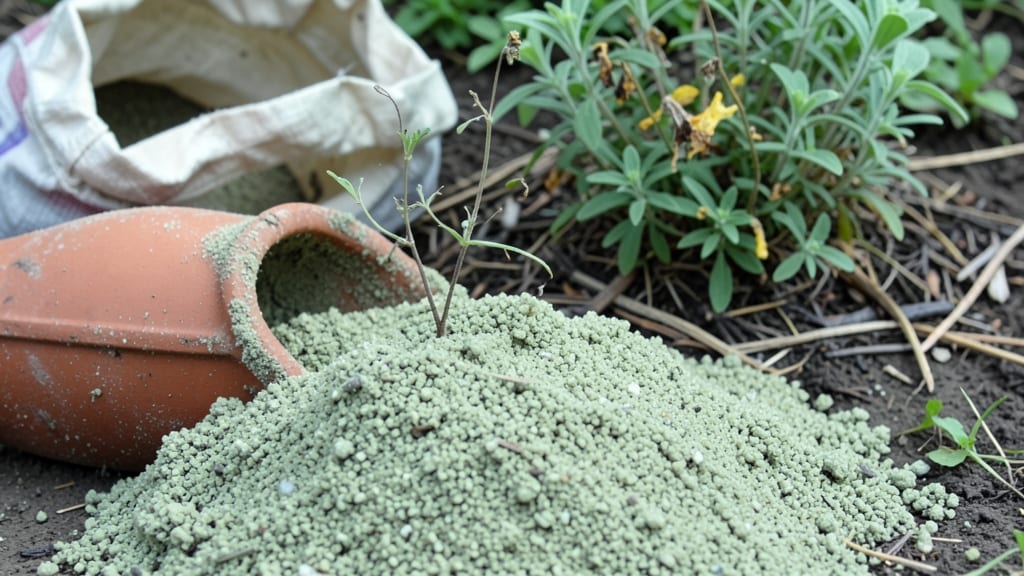
A green sand garden creates vibrant landscapes using iron-rich sand that enhances foliage colors naturally, especially in tropical plants like palms and cycads, without requiring chemical dyes while keeping maintenance low.
A green sand garden thrives on the science of iron oxidation, where the mineral-rich particles create a nutrient boost that intensifies plant pigmentation. 🌿 The iron reacts with soil chemistry to promote deeper reds and richer greens—no artificial additives needed.
This approach works beautifully for drought-resistant plants, making it ideal for both residential yards and commercial landscapes where vibrant color meets low upkeep.
For best results, focus on species that naturally thrive in iron-rich environments, like palms or cycads. The sand's texture also improves drainage, reducing root rot in tropical plants.
I’ve seen stunning transformations in just a few months when transitioning traditional soil to iron-infused sand—especially in areas with poor natural iron content.
💡 In This Article
- How Iron-Infused Sand Enhances Plant Growth
- Best Plants and Landscaping Designs for Green Sand Gardens
How iron-infused sand enhances plant growth
The magic of iron-infused sand lies in its ability to mimic the nutrient-rich volcanic soils found in tropical regions like Hawaii or the Caribbean.
When iron oxides (primarily hematite and magnetite) are mixed into the sand at concentrations of about 5-10%, they create a slow-release mineral system that plants can absorb through their roots.
This isn't just about adding color—it's a biological process where iron acts as a catalyst for chlorophyll production, the pigment responsible for green hues, while also enhancing anthocyanins, the compounds that create vibrant reds and purples in foliage.
The chemical reaction begins when iron in its reduced form (Fe²⁺) gets oxidized to ferric iron (Fe³⁺) in the presence of oxygen and water. This oxidation process creates a slightly acidic environment (pH 5.5-6.5), which is ideal for tropical plants that naturally thrive in these conditions.
For example, cycads and palms absorb this iron through their root systems, using it to synthesize more robust chlorophyll molecules. The result? Leaves develop a deeper, more saturated green color that appears almost neon in bright sunlight. 💫
What's fascinating is how this process mimics natural ecosystems. In wild tropical forests, fallen leaves and organic matter decompose slowly, releasing iron and other minerals into the soil over time. Iron-infused sand replicates this natural cycle but in a controlled, low-maintenance format.
The granular texture of the sand also improves aeration around roots, preventing compaction that can suffocate plant growth. This dual benefit—nutrient availability plus proper drainage—explains why green sand gardens thrive even in areas with poor natural soil quality or heavy rainfall.
For plants like Sabal palms or Cycas revoluta, the iron boost doesn't just enhance color—it strengthens overall plant health. Studies show that adequate iron levels can increase photosynthesis rates by up to 20% in tropical species, leading to faster growth and greater resilience against pests.
The visual impact is immediate: where traditional soil might produce muted green foliage, iron-infused sand creates landscapes that pop with intensity, almost like nature's own highlighter. The key difference from chemical dyes is that this color enhancement comes from biological processes rather than artificial coatings.
Here's what happens under the microscope: Iron in the sand binds with organic compounds in the plant roots, forming complexes that the plant can transport to its leaves. These complexes trigger the production of more porphyrin rings—the molecular structures at the heart of chlorophyll.
The extra iron also helps stabilize these molecules, preventing degradation from sunlight. This is why green sand gardens maintain their vibrant colors even under harsh, sunny conditions where other landscapes might fade. 🌿
The practical implication for gardeners is that iron-infused sand creates a self-sustaining ecosystem. Unlike traditional gardens that require monthly fertilizer applications, the slow release of iron from the sand provides nutrients over 1-2 years per application.
This makes it particularly valuable for commercial landscapes where maintenance costs need to stay low while visual impact remains high. The system works best when combined with organic mulch, which further enhances microbial activity that helps break down nutrients for plant uptake.
What most people don't realize is how versatile this approach is beyond just color enhancement. The same iron-rich environment that creates vibrant green foliage also supports the growth of beneficial microbes in the soil. These microbes help break down organic matter, creating a more fertile growing medium over time.
For tropical plants that are sensitive to soil-borne diseases, this microbial activity can actually improve root health by outcompeting harmful pathogens. It's a perfect example of how landscape design can work with natural biochemical processes rather than against them. ✨