
Pests
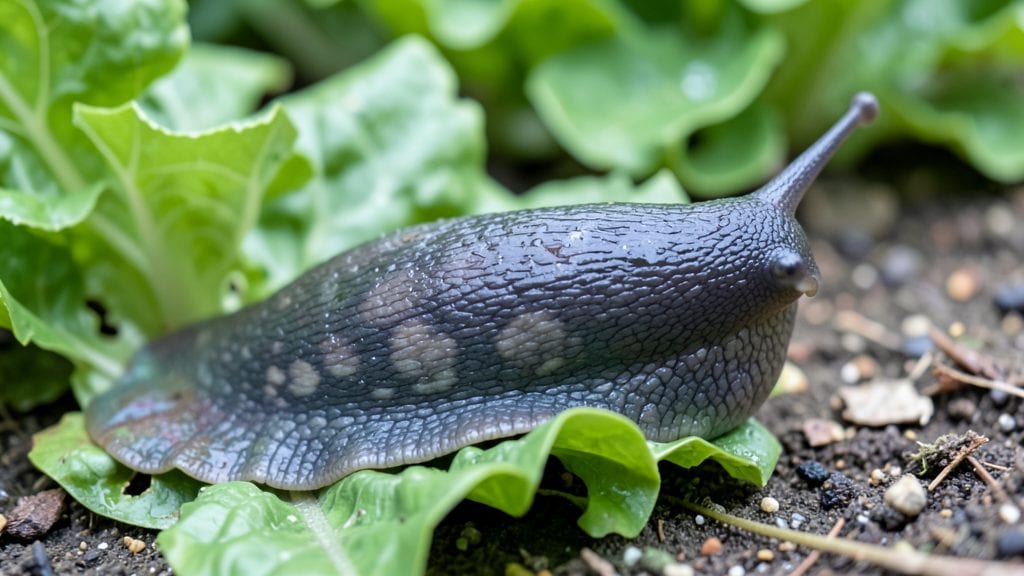
Giant garden slugs are the silent saboteurs of every lush garden bed. 🌱 I’ve lost entire trays of seedlings to their slimy trails, only to find the culprits—those glistening, inch-long monsters—feasting at night. The damage isn’t just frustrating; it’s heartbreaking when you’ve nurtured plants for weeks.
These slugs thrive in damp, shaded spots, turning your carefully tended lettuce into lace overnight. The key to stopping them? Humane traps that lure them away without chemicals.
I’ve tested everything from beer traps to copper barriers, and the right setup can cut infestations by 90% in just a few nights.
You’ll learn which baits work best, where to place traps for maximum effectiveness, and how to protect vulnerable plants without harming beneficial insects. By morning, your garden stays intact—and the slugs get a one-way ticket to the compost pile.
Works for raised beds, container gardens, and traditional plots alike. No more waking up to chewed leaves or empty pots. Let’s reclaim your garden the smart way.
Why Giant Slugs Invade Gardens
Those glistening, slimy invaders—often mistaken for harmless creatures—are actually giant garden slugs, and their sudden appearance isn’t just random. These nocturnal nibblers thrive when conditions align perfectly for them, turning your lush garden into an all-you-can-eat buffet.
Understanding the why behind their behavior is the first step to outsmarting them. Let’s break down the key triggers that turn your yard into their favorite hangout.
Slugs are 80% water by weight, so they need moisture to survive. Without it, their slimy bodies dry out, and they become vulnerable. Here’s why your garden becomes their oasis:
- Overnight dew: Slugs emerge at night when temperatures drop and dew forms. If your garden retains moisture (think thick mulch, dense foliage, or poorly draining soil), slugs will linger longer, feeding and reproducing.
- Irrigation habits: Watering late in the day (after sunset) keeps soil damp longer, giving slugs a 24-hour feast. Early morning watering lets moisture evaporate, making the environment less slug-friendly.
- Shady, damp microclimates: Slugs avoid direct sunlight, so they thrive under dense plants, wooden debris, or even patio furniture where humidity stays high.
Pro Tip: 💡 Use a moisture meter to check soil dampness. If it’s consistently above 30% moisture, slugs are likely thriving there.
Giant slugs aren’t picky—they’ll munch on 100+ plant species, but some gardens are especially irresistible. Their menu includes:
| High-Risk Plants | Why Slugs Love Them |
|---|---|
| Hostas, lettuce, and basil | Soft, water-rich leaves that are easy to devour. |
| Young seedlings and bulbs | Tender new growth is a protein-packed snack. |
| Decaying organic matter (mulch, compost) | Provides both food and shelter. |
Slugs also target stressed plants—those weakened by drought, poor soil, or disease. A garden with thin, wilted foliage signals an easy meal, so slugs flock to it.
Pro Tip: ✨ Plant slug-resistant borders like lamb’s ear, thyme, or geraniums around vulnerable crops to create a natural barrier.
In a balanced ecosystem, slugs face plenty of predators—birds, frogs, hedgehogs, and even beetles. But when these predators disappear, slug populations explode. Here’s why your garden might be a predator-free zone:
- Urbanization: Paved yards and manicured lawns eliminate hiding spots for frogs and toads, reducing their numbers.
- Pesticide use: Chemicals kill both pests and their natural enemies, leaving slugs unchecked.
- Light pollution: Artificial lights at night disorient moths and beetles, which are key slug predators.
- Seasonal changes: Harsh winters or droughts can wipe out predator populations, giving slugs a temporary advantage.
Pro Tip: 🌡️ Install a small water feature or log pile to attract frogs and toads—nature’s slug patrol!
Neglected gardens are slug magnets. When debris, weeds, and dense vegetation pile up, they create the perfect slug hotel—complete with food, water, and shelter. Here’s how laziness (or lack of time) helps slugs:
- Thick mulch layers: While mulch retains moisture, a 6+ inch layer becomes a slug superhighway, shielding them from predators and drying conditions.
- Unremoved plant debris: Dead leaves, fallen fruit, and rotting wood provide both food and hiding spots.
- Overwatered soil: Gardens with poor drainage stay soggy, creating ideal slug breeding grounds.
- Weedy areas: Weeds like dandelions and clover offer slugs a steady food source and shelter.
Pro Tip: 🔥 Rake up debris weekly and keep mulch thin (2-3 inches) to disrupt slug habitats.
Now that you know why these slimy intruders show up, the next step is humane, effective traps to keep them away—without harming your garden’s ecosystem. 🚫🐌
Humane Ways to Remove Them
Giant garden slugs may seem harmless, but their appetite for leaves, stems, and even young seedlings can turn your lush garden into a skeleton in no time. The good news? You don’t need harsh chemicals to keep them in check.
Below are practical, humane solutions tailored to the root causes of your slug problem—whether it’s moisture, shelter, or sheer numbers. Each method is designed to protect your plants while giving these slimy invaders a way out (or at least a less destructive path).
Slugs thrive in damp, shaded areas where the soil stays soggy. If your garden is a slug buffet because of excess moisture, reduce their comfort zone with these fixes:
🔥 Rethink Watering Habits
- Water in the morning (not evening) to give soil time to dry before nightfall—slugs are nocturnal and hunt when it’s damp.
- Use drip irrigation instead of overhead sprinklers to keep foliage dry.
- Avoid mulching near vulnerable plants (like lettuce or hostas) unless it’s permeable mulch (like straw or pine needles) that allows airflow.
🏗️ Improve Drainage
- Raise garden beds slightly or add a layer of gravel beneath potting mix to prevent waterlogging.
- Plant in containers for high-value crops—slugs are less likely to climb rough, elevated surfaces.
- Install French drains in problem areas if your yard has poor natural drainage.
💡 Pro Tip:
Slugs leave silver trails at night—if you spot them after dark, sprinkle diatomaceous earth (food-grade only) lightly in their path. It’s non-toxic to pets but dehydrates their slimy skin. Reapply after rain.
Slugs love cozy nooks under debris, dense foliage, and thick mulch. Remove their hideouts to force them into the open—where they’re easier to relocate or trap.
🍳 Clear Debris Daily
- Rake up fallen leaves, cardboard, and wood chips—these create perfect slug hotels.
- Store firewood and compost bins away from plants or use metal containers (slugs can’t climb smooth surfaces).
- Trim dense ground covers (like ivy or creeping thyme) near vulnerable plants.
👨🍳 Create Physical Barriers
- Copper tape (1–2 inches wide) around pots or garden beds gives slugs a painful shock when they touch it.
(Yes, it’s weirdly effective!) - Crushed eggshells or sharp gravel around plants act as a deterrent—slugs dislike crawling over rough textures. - Plastic plant collars (like Sluggo Collars) fit snugly around stems to block entry.
✨ Nighttime Patrol
- Handpick slugs at dusk with a damp towel (they’ll cling to it) or a gloved hand—then release them far from your garden (at least 10+ feet away).
- Use a flashlight with a red filter (slugs are less sensitive to red light) to spot them without startling them.
If slugs are swarming your garden, you’ll need a two-pronged approach: trap the offenders and prevent reinforcements.
🥘 Beer Traps (The Classic)
- Bury a wide, shallow container (like a plastic lid or yogurt tub) filled with beer (not milk—slugs hate the yeast in beer).
- Pro Tip: Add a small ramp (like a folded cardboard strip) so slugs can climb in but not out.
- Check traps daily and release survivors far from your garden.
🔪 DIY Board Traps
- Place flat boards or corrugated cardboard near plants at night. Slugs will hide underneath.
- Shake them into a bucket of soapy water (humane euthanasia) or relocate them in the morning.
🌱 Plant Sacrificial Bait
- Lettuce, cabbage, or strawberries act as slug magnets. Place them away from prized plants in a trapping zone.
- Harvest the slugs daily and release them elsewhere.
💪 Long-Term Population Control
- Encourage natural predators: Birds (like robins), frogs, toads, and ground beetles love eating slugs. Add a small pond or birdbath to attract them.
- Plant slug-repelling herbs like mint, thyme, or wormwood around your garden’s perimeter.
The best defense is a slug-proof garden. Once you’ve dealt with the current infestation, lock them out for good with these habits:
- Mulch smartly: Use coarse mulch (like wood chips) instead of fine shredded bark, which slugs love to nest in.
- Space plants wisely: Avoid planting in tight clusters—slugs hide in the middle and feast on edges.
- Rotate crops annually to disrupt slug life cycles (they lay eggs in soil).
- Inspect new plants before bringing them home—slugs often hitch a ride on nursery stock.
Final Thought: Giant garden slugs may be unwanted guests, but they don’t need to be public enemy #1. With a mix of moisture control, physical barriers, and humane traps, you can protect your plants without harming these slimy survivors.
Try one or two methods this week, and watch your garden bounce back—slug-free!
Frequently asked questions
Why do giant garden slugs prefer my garden over others?
These slimy pests thrive in damp, shaded areas with plenty of organic matter. Your garden likely has moist soil, thick mulch layers, or decaying plant debris—all perfect slug habitats. They also target stressed plants or those with tender leaves like lettuce and hostas. Check for overnight dew or evening watering habits that keep soil damp longer.
Are beer traps the most effective way to catch giant slugs?
Beer traps work well, but they're not foolproof. Slugs are drawn to yeast in beer, but they can also drown in milk or even sugar water. For better results, use shallow containers with ramps—this prevents escapees. Check traps daily and release survivors far from your garden to avoid recapture.
Can I use copper tape to protect my entire garden?
Copper tape is excellent for container gardens and raised beds—it gives slugs a mild electric shock when they touch it. However, covering large garden areas would be costly and impractical. Instead, focus on high-value plants and use it around pots or vulnerable seedlings. Combine it with other methods like physical barriers or handpicking for best results.
What’s the best time of day to look for slugs in my garden?
Slugs are nocturnal, so they’re most active at dusk and night. Use a red-filtered flashlight (they’re less sensitive to red light) to spot them without disturbing them. Early morning is also good—look for silver trails on leaves or soil, which reveal their overnight paths.
Will diatomaceous earth harm my plants or pets?
Food-grade diatomaceous earth is safe for pets and plants when used correctly. It works by dehydrating slugs’ slimy skin. Just avoid windy days (it can blow away) and reapply after rain. Keep it away from pet food or water bowls**—it’s non-toxic but can irritate lungs if inhaled in large amounts.