
Planting
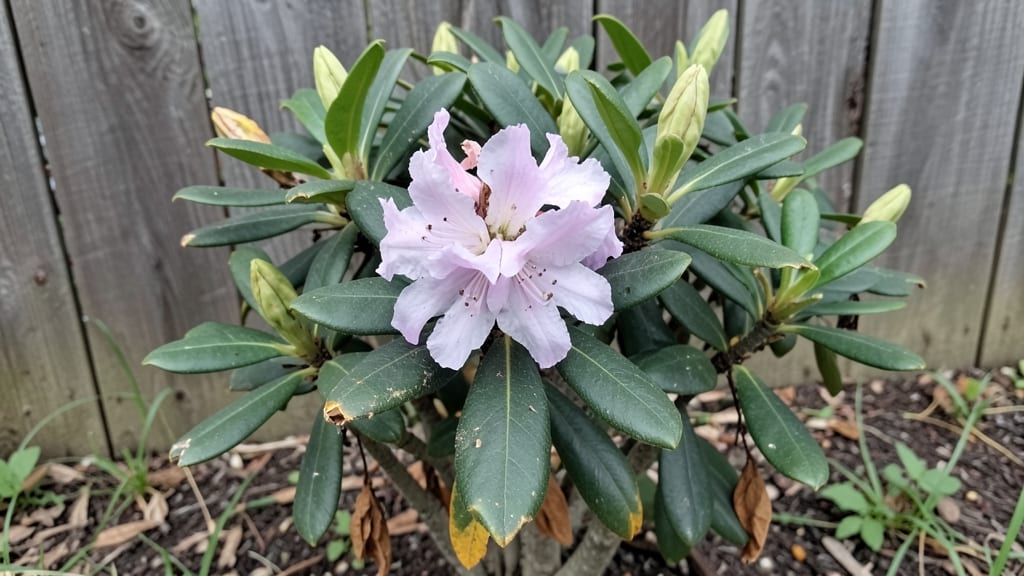
Gardening in Washington State means embracing a climate that gives you lush summers, mild winters, and enough rain to keep your plants happy—if you know what you’re doing. 🌿 The key isn’t fighting the weather but working with it, whether you’re in the damp coastal zones or the drier inland areas.
My first year here, I nearly drowned my garden in winter downpours before learning how to drain soil properly and pick the right plants.
Your biggest advantage? Washington’s native plants thrive with minimal fuss once you match them to your microclimate. Coastal areas (zones 7–9) can grow rhododendrons and salal year-round, while inland spots (zones 6–8) handle blackberries and hazelnuts like a champ.
The trick is avoiding moisture-loving plants in dry zones and drought-tolerant ones in wetter areas—otherwise, you’ll end up with soggy roots or parched leaves.
By the end of your first season, you’ll have a garden that blooms when others fade. Imagine fragrant native lilacs in spring, sun-dappled berries in summer, and evergreen shrubs holding their color through winter.
The best part? Fewer pests and diseases when you garden with the land, not against it. Let’s get you set up for success.
Whether you’re in the Puget Sound lowlands or the Columbia Basin, these tips will help you adapt. From mulching strategies to seasonal pruning schedules, we’ll cover what actually works in Washington’s varied growing conditions—not just what you’ve read in generic guides.
📚 In This Guide
- What you need
- Instructions
- Tips and common mistakes
- Wrapping up and next steps
What you need
- ● Native plants: Choose from Washington’s resilient species like Oregon grape (Mahonia aquifolium), Sword fern (Polystichum munitum), or Salal (Gaultheria shallon). Buy 3–5 plants per 100 sq. ft. (local nurseries like Swansons or Weyerhaeuser are great sources!).
- ● Soil: 50 lbs of compost (for enriching native soil) and 20 lbs of perlite or pumice (for drainage in heavy clay areas).
- ● Watering tools: Drip irrigation kit ($20–$50, e.g., Rain Bird)
- ● Watering can (2–3 gallons capacity)
- ● Pruning shears: Bypass pruners (sharp, stainless steel, $15–$30)
- ● Gloves: Heavy-duty gardening gloves ($10–$20)
- ● Mulch: 2–3 inches of cedar chips or straw (preserves moisture, $5–$10 per bale)
- ● Soil tester kit ($15–$25): Check pH (Washington’s native soil is often acidic, pH 5.0–6.5).
- ● Native seed packets (e.g., Yarrow, Lupine): $3–$8 per packet for filling gaps.
- ● Bird/bee-friendly feeders: Attract pollinators ($10–$30).
- ● Rain gauge ($10–$20): Track watering needs in Seattle’s rainy climate.
- ● Wheelbarrow ($50–$100): For hauling soil or mulch.
Step-by-step guide to Washington State year-round gardening
Washington’s diverse climate demands smart planning—here’s how to create a thriving garden in every season.
🌱 Step 1: Plan for Washington’s Microclimates
Washington’s climate varies dramatically from the rainy west to the arid east. Start by dividing your yard into zones: coastal areas get 50+ inches of rain annually, while inland spots like Yakima see less than 10 inches. Choose plants that match your zone’s moisture levels—coastal gardens thrive with ferns and rhododendrons, while eastern gardens shine with drought-tolerant lavender and sage.
Soil type matters just as much. Test your soil’s pH and drainage—Washington’s native soils often compact easily. Amend heavy clay with 3-4 inches of compost before planting perennials, and prioritize raised beds in waterlogged areas. I always sketch a simple map of my yard, marking sun exposure (Western Washington gets less than 1,500 hours of sun yearly, while Eastern Washington hits 2,500+ hours).
☀️ Step 2: Select Season-Appropriate Plants
Spring in Washington kicks off with wildflowers like camas and lupine, while summer brings heat-loving Russian sage and black-eyed Susans. For year-round interest, layer evergreens (like Oregon grape holly) with deciduous shrubs (such as ninebark) and perennials that bloom in succession—think columbine in spring, penstemon in summer, and asters in fall.
Don’t overlook Washington’s native trees—they’re the backbone of resilient gardens. Plant Douglas fir, bigleaf maple, or Pacific dogwood for structure, and underplant with shade-tolerant ferns or salal. In drier areas, serviceberry and chokecherry provide both beauty and wildlife support. I always check the USDA Plant Hardiness Zone Map (Washington spans Zones 5-9) to avoid frost-sensitive plants.
💧 Step 3: Water Strategically for Local Conditions
Western Washington’s frequent rain means most gardens need supplemental water only during summer droughts. Install a drip irrigation system to deliver water directly to roots, reducing evaporation. In Eastern Washington, where summers can hit 90°F+, water deeply 2-3 times per week in the early morning to prevent fungal diseases. Use mulch (like wood chips or straw) to retain moisture and suppress weeds.
Washington’s winter rainfall can be just as challenging. Ensure containers have drainage holes to prevent root rot, and group plants with similar water needs together. I group moisture-loving plants (like heuchera and hostas) near downspouts and drought-tolerant plants (like sedum and yarrow) in sunnier, well-drained spots. Always check soil moisture before watering—stick your finger 1-2 inches deep. If it’s damp, wait.
✂️ Step 4: Prune for Washington’s Growing Seasons
Prune spring-blooming shrubs (like rhododendrons and azaleas) immediately after they flower to avoid cutting off next year’s buds. Summer-flowering plants (such as butterfly bush and spirea) can wait until late winter or early spring. Always use clean, sharp pruners to make 45-degree cuts just above a leaf node—this encourages bushier growth and reduces disease risk.
Washington’s mild winters mean some plants (like grasses and ornamental
keep growing year-round. I give them a light trim in late winter to tidy up, but avoid heavy pruning until new growth appears. For fruit trees, prune in late winter or early spring before buds swell, focusing on removing dead wood and opening the center for airflow. This prevents fungal issues common in Washington’s damp climate.🪴 Step 5: Protect Plants from Local Pests
Western Washington’s lush conditions attract slugs and aphids, while Eastern Washington deals with spider mites and powdery mildew. Start with preventive measures: apply neem oil or insecticidal soap at the first sign of pests, and introduce beneficial insects like ladybugs and lacewings to control aphids naturally. I also plant native companion plants like yarrow and bee balm, which deter pests while supporting pollinators.
Washington’s deer and elk populations can be relentless. Protect young plants with physical barriers like chicken wire or deer fencing, and avoid planting tender perennials near wooded edges. For established gardens, try repelling sprays with garlic or hot pepper—they’re effective and non-toxic. Always monitor new plantings closely; Washington’s wildlife adapts quickly to new food sources.
Tips & tricks for perfect Washington-style year-round gardening
Washington’s unique climate can make or break your garden—here’s how to turn challenges into opportunities for a lush, thriving landscape.
Microclimate Mapping: That sun exposure map I mentioned isn’t just helpful—it’s essential. Western Washington’s less than 1,500 hours of sun yearly means shade-loving plants like Oregon grape holly will thrive in spots Eastern Washington’s 2,500+ hours would scorch. Use a simple app to track sunlight patterns for a month before planting—this will save you from costly mistakes with sun-hungry plants.
Soil Prep Strategy: Don’t skip the 3-4 inches of compost amendment if you have heavy clay soil. I learned this the hard way after watching perennials struggle in compacted ground. Mix in compost before planting, and consider raised beds if your area gets waterlogged—this creates ideal drainage while preventing root rot. For existing gardens, top-dress with compost annually to maintain fertility.
Watering Wisdom: In Eastern Washington’s 90°F+ summers, watering 2-3 times per week in the morning isn’t just a recommendation—it’s critical. Use a rain gauge to track exactly how much water your plants receive naturally, then supplement to reach 1 inch per week total. Mulch with wood chips or straw to lock in moisture and reduce evaporation by up to 30%.
Pruning Precision: Those 45-degree cuts just above a leaf node aren’t just for looks—they’re about plant health. Sterilize your pruners with rubbing alcohol between cuts to prevent spreading fungal diseases common in Washington’s damp climate. And remember: prune spring bloomers after flowering, never before—this ensures next year’s blossoms develop properly.
Pro Tips for Gardening Washington State
- Washington’s unique climate can make or break your garden—here’s how to turn challenges into opportunities for a lush, thriving landscape.
- Microclimate Mapping: That sun exposure map I mentioned isn’t just helpful—it’s essential.
- Soil Prep Strategy: Don’t skip the 3-4 inches of compost amendment if you have heavy clay soil.
Frequently asked questions
Got questions about gardening in Washington State?
You’re not alone! Whether you're a beginner or a seasoned green thumb, the Pacific Northwest’s unique climate and native plants can raise plenty of curiosity. Here are answers to some of the most common queries to help you thrive in your garden.
What are the best plants for beginners in Washington State?
Start with low-maintenance, native plants like Oregon grape, salal, or sword fern. These thrive in WA’s climate, require minimal water, and attract pollinators. For edibles, try kale, strawberries, or raspberries—they’re hardy and delicious!
When is the best time to plant in Washington State?
For most plants, aim for early spring (March–April) or early fall (September–October) to avoid extreme heat or frost. Coastal areas can plant slightly earlier, while inland zones may wait until after the last frost (usually late April–May). Always check your USDA Plant Hardiness Zone (WA ranges from 6–9).
How do I deal with Washington’s wet winters in my garden?
Improve drainage with raised beds or amended soil (add compost or sand). Choose moisture-tolerant plants like heuchera or hostas, and mulch heavily to prevent root rot. Avoid overwatering—WA’s rain often provides enough hydration!
What pests are common in Washington gardens, and how do I prevent them?
Watch for slugs, aphids, and vine weevils. Use organic solutions like neem oil, diatomaceous earth, or companion planting (e.g., marigolds repel pests). Remove debris to deter pests, and encourage beneficial insects like ladybugs.
Can I garden successfully in Washington’s Zone 7–9 without irrigation?
Yes! Many native plants (e.g., yarrow, lupine) and drought-tolerant varieties (like lavender) thrive with rainwater alone. Group plants with similar water needs, use swales to capture moisture, and mulch to retain soil moisture. Monitor soil dryness with your finger—if the top inch is dry, water deeply but infrequently.
Wrapping up and next steps
Gardening in Washington State is a rewarding journey—whether you’re nurturing native plants for resilience or embracing year-round beauty in your yard. From selecting the right soil and tools to mastering seasonal planting, every step brings you closer to a thriving, sustainable garden. 🌿
Ready to dig in? Start small—pick one native plant or a seasonal project—and let your green thumb grow! Before you know it, you’ll be reaping the joys (and harvests) of a garden that thrives with Washington’s unique charm. Happy planting! 🌱