
Blooming
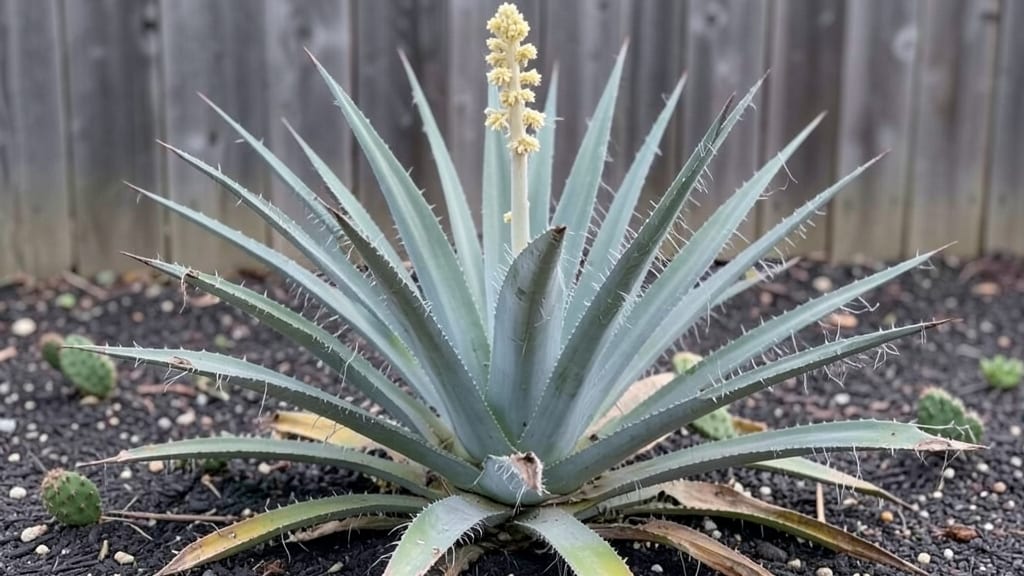
Gardening in New Mexico thrives with drought-tolerant native plants like yucca, agave, and desert marigold, while raised beds and mulching conserve moisture. Morning watering and well-draining soil maximize success in extreme heat and low humidity.
New Mexico's high desert climate demands smart plant choices to survive its intense sun and dry spells. 🔥 Native species like yucca and desert willow have evolved to thrive here, requiring minimal water once established.
The key is mimicking nature's water conservation—deep roots and mulch create microclimates that retain moisture while protecting roots from temperature swings. I've seen firsthand how raised beds improve drainage and prevent soil compaction, which is critical when summer temperatures can exceed 100°F.
Even in the Rio Grande Valley, where humidity rises, the same principles apply: prioritize plants that match your specific microclimate and soil type.
What sets successful New Mexico gardens apart is their adaptability. Native grasses like blue grama and shrubs such as four-wing saltbush not only survive drought but also support local wildlife. These plants often require no irrigation after the first year, making them ideal for water-conscious gardeners.
For those who prefer color, desert marigold and penstemon bloom prolifically with minimal care, proving that beauty and resilience go hand in hand in this challenging environment.
💡 In This Article
- How New Mexico’s Climate Shapes Plant Survival
- Top Drought-Resistant Plants for New Mexico Gardens
How New Mexico’s climate shapes plant survival
New Mexico's extreme climate—marked by 7,000-foot elevations, 100°F+ daytime highs, and 30°F nighttime drops—forces plants to evolve radical survival strategies.
At high desert elevations like Santa Fe, plants face low humidity (10-20%) and intense UV radiation, while lower valleys like the Rio Grande experience higher humidity (30-40%) but still suffer from water scarcity. The key adaptation?
Deep root systems that tap into groundwater 10-15 feet below—like the 12-foot roots of desert willow—while succulents like agave store water in thick leaves to survive months without rain. 🌵
The soil itself plays a critical role. New Mexico's sandy loam soils (common in the high desert) drain quickly but hold little moisture, while clay-heavy soils in river valleys retain water but bake hard when dry.
Native plants like yucca thrive in sandy loam because their fibrous roots spread wide to catch every drop, while four-wing saltbush in clay soils develops a shallow but extensive root mat to absorb surface moisture.
The contrast between these microclimates explains why a plant perfect for Albuquerque's 5,300-foot elevation (like desert marigold) might struggle in Truth or Consequences' 3,900-foot valley, where humidity allows more aggressive (but still drought-tolerant) species.
Temperature swings create another challenge. Plants must endure 50°F differences between day and night, which can cause cellular damage in sensitive species.
Succulents like prickly pear cactus solve this with CAM photosynthesis—opening stomata only at night to minimize water loss—while desert shrubs like creosote bush have leathery, waxy leaves that reflect sunlight and reduce evaporation.
Even mulching works differently here: 3-4 inches of gravel or wood chips (not organic mulch) prevents soil moisture loss while reflecting heat away from roots—a technique I've seen extend the growing season by 2-3 weeks in raised beds. 🌡️
What most gardeners overlook is how altitude affects plant metabolism. At 7,000+ feet, oxygen levels drop by 20-25% compared to sea level, slowing growth in non-native plants.
That's why native perennials like penstemon grow more slowly but survive harsh winters, while non-native lavender (a Mediterranean plant) often struggles despite its drought tolerance. The solution?
Match plants to their natural elevation range: yucca thrives at 4,000-7,000 feet, while ocotillo prefers 3,000-5,000 feet where summers are hotter and drier.
Here's what this means for your garden: Soil testing (especially for pH and salinity) is non-negotiable—New Mexico's alkaline soils (pH 7.5-8.5) can lock out nutrients. Amending with sulfur or compost helps, but the real game-changer is microclimate mapping.
A north-facing slope stays 10°F cooler than a south-facing one, and 50-gallon containers can create pockets of moisture for heat-loving plants like Mexican feather grass. The plants that succeed here don't just tolerate drought—they thrive on it, turning scarcity into survival superpowers. ✨