
Tools
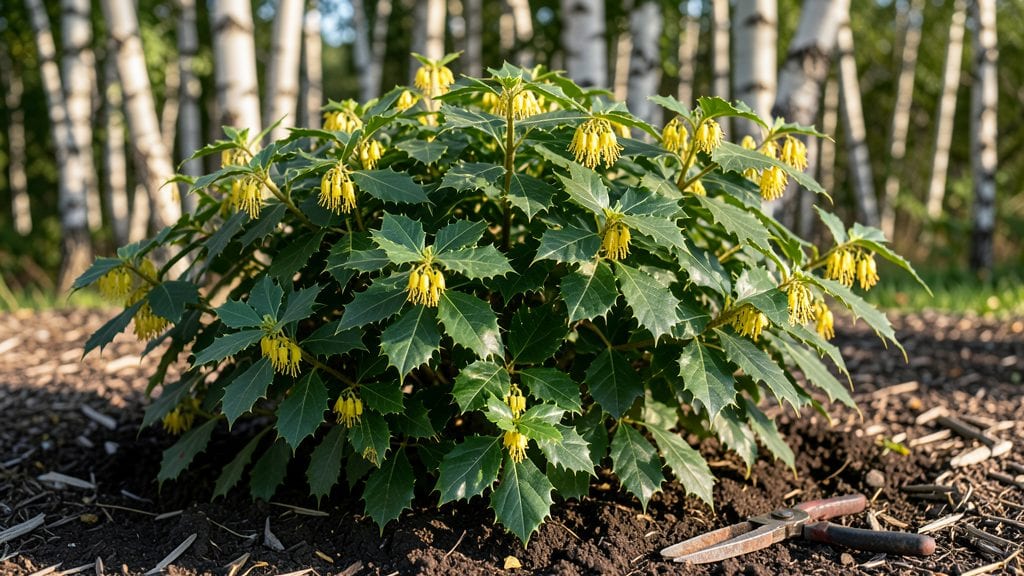
Gardening in Vancouver, WA thrives with hardy perennials like rhododendrons and ferns, cool-season crops such as kale and peas, and summer-friendly vegetables like tomatoes and peppers. The region’s mild, wet winters and warm, dry summers demand drought-tolerant plants and compost-rich soil for peak performance.
A garden in Vancouver, WA succeeds by leveraging the city's unique microclimates—coastal influences create cooler summers and milder winters than inland areas. 🌿 The USDA Zone 8b climate lets you grow a diverse mix of plants year-round, from evergreen shrubs to cold-hardy greens.
I’ve found that native plants like Oregon grape and salal thrive with minimal intervention, while raised beds help manage the area’s naturally dense, clay-heavy soil. Start small with containers if your yard has heavy shade, or go bold with sun-loving herbs and peppers once summer arrives.
One of my favorite tricks is using mulch blankets to preserve moisture during the dry summer months, while winter’s gentle rains mean less need for irrigation. The key is balancing the region’s natural humidity with smart watering—drip systems work wonders for vegetable gardens.
For beginners, I recommend starting with low-maintenance perennials like lavender or heuchera before tackling annuals that need more attention.
💡 In This Article
- Vancouver WA’s Best Plants by Season
- Soil and Microclimate Tips for Vancouver Gardens
Vancouver WA’s best plants by season
Vancouver’s USDA Zone 8b climate creates a four-season gardening rhythm where each plant has its prime moment to shine. Spring kicks off with 60-70°F temperatures and abundant rainfall, making it ideal for cool-loving crops like Swiss chard and broccoli, which thrive in moist, fertile soil.
The region’s native salal and sword ferns also emerge from dormancy, their glossy fronds adding lush greenery to shaded areas. What’s fascinating is how these plants leverage the Pacific Northwest’s high humidity—up to 85% relative humidity in spring—to establish strong root systems before summer’s dry spell arrives.
Summer brings 75-85°F temperatures and significantly less rain, which is why drought-tolerant Mediterranean plants like rosemary and lavender flourish here. These plants have evolved to store water in their woody stems, allowing them to survive on 1-2 inches of water per week once established.
For vegetables, zucchini and eggplant love the heat, but they need consistent moisture—1-2 inches per week—to prevent bitter flavors. I’ve noticed that mulching with 3-4 inches of wood chips keeps soil temperatures 10-15°F cooler than bare ground, protecting tender roots during heatwaves.
Fall extends the growing season with 50-65°F temperatures and 12-15 inches of rainfall, perfect for garlic and spinach. These crops actually prefer cooler weather—they develop sweeter flavors when exposed to 50-55°F nights.
Native Oregon grape also thrives in fall, its blue-black berries attracting wildlife while adding color to the garden. The key here is taking advantage of the region’s long daylight hours—up to 15 hours in June—to coax one last harvest before winter sets in.
Winter in Vancouver is surprisingly mild, with temperatures rarely dropping below 32°F. This allows kale and carrots to stay productive, while evergreen shrubs like rhododendrons remain vibrant year-round. The 10-12 inches of winter rain keeps soil moist, reducing irrigation needs for winter crops.
I’ve found that protecting tender perennials with 2-3 inches of mulch prevents frost heave—a common issue in Zone 8b—while allowing roots to stay active beneath the surface.
What most gardeners overlook is how microclimates within Vancouver create pockets of ideal conditions. For example, the Columbia River Gorge area gets 20% more sunlight than neighborhoods near the Port of Vancouver, which stays cooler due to water influence.
This means you can grow peppers successfully in sun-drenched yards but may need to choose shade-tolerant varieties like ‘Shade Master’ eggplant for north-facing gardens. The secret is observing your specific yard’s sunlight patterns for at least two weeks before selecting plants.
For beginners, I recommend starting with three seasonal staples that handle Vancouver’s quirks:
- Spring: Lettuce ‘Buttercrunch’ (thrives in 50-60°F soil)
- Summer: Tomato ‘Sungold’ (needs 6+ hours of sun)
- Fall/Winter: Spinach ‘Bloomsdale’ (tolerates 35-40°F temps)