
Blooming
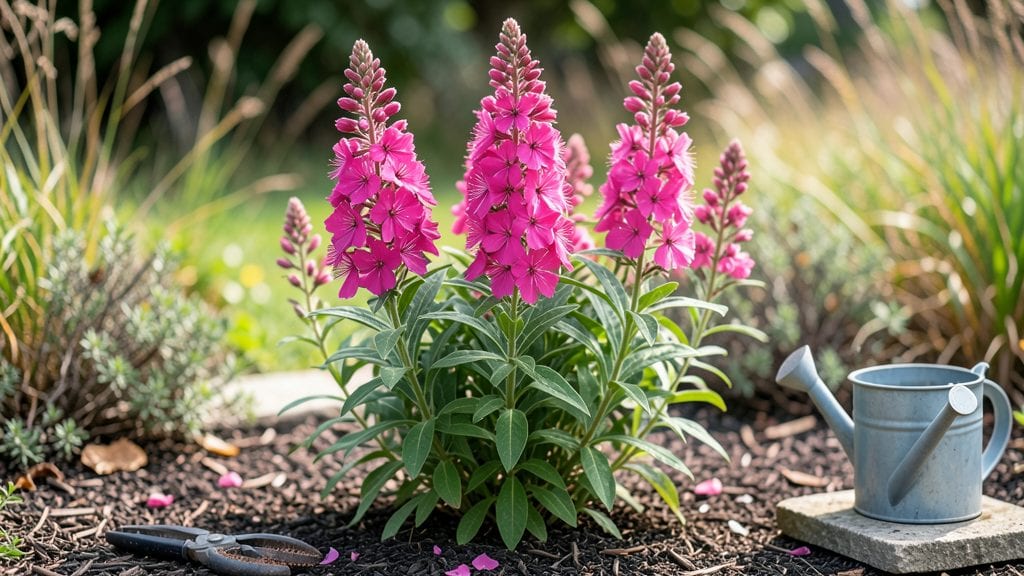
Garden phlox bloom time is all about timing your garden’s peak color between late spring and early summer—with the right care, you can stretch those vibrant blooms for weeks.
If you've ever planted phlox only to watch it fade too soon, you're not alone. The secret lies in understanding your USDA zone, sunlight exposure, and a few simple maintenance tricks that keep those 🌸 clusters coming.
In Zone 6, phlox typically bursts into color in June and keeps going through July, but cooler regions may see blooms as early as May. The key? Deadheading spent flowers, feeding at the right time, and avoiding overwatering.
Below, I’ll break down the exact months for your zone, how to extend the season, and the best varieties for continuous blooms—so you never miss a single showstopping moment.
When does garden phlox bloom: month-by-month timeline for optimal color
Timing is everything when it comes to garden phlox bloom time, and knowing exactly when your plants will burst into color helps you plan your garden layout and care routine.
Most varieties bloom in mid to late summer, but the exact timing depends on your USDA hardiness zone, variety, and local climate conditions.
For example, Phlox paniculata (garden phlox) typically blooms 6-8 weeks after planting, while Phlox drummondii (annual phlox) can flower as early as late spring in warmer zones.
Understanding these variations ensures you don’t miss the spectacular floral displays that make phlox a garden staple. Whether you’re in Zone 3 or Zone 9, this month-by-month guide will help you anticipate bloom times and adjust your care schedule accordingly.
From early bloomers in May to late-season varieties that last into September, there’s a phlox for every garden timeline.
In USDA Zones 3-4, where winters are harsh, garden phlox typically blooms later due to cooler temperatures. Early bloomers like ‘David’ may appear as early as late June, while mid-season varieties like ‘Lipstick’ peak in July and August.
Late bloomers such as ‘Blue Ridge’ can extend color into early September, giving you a prolonged display. If you’re in these zones, consider mulching in early spring to warm the soil and encourage earlier blooms.
Gardeners in Zones 5-6 enjoy the most predictable bloom times, with early varieties like ‘Early Callie’ opening in early June and late bloomers like ‘Jeana’ lasting until mid-September. These zones are ideal for continuous color if you mix early, mid, and late-season varieties.
For example, planting ‘Color Wheel’ (early) alongside ‘Emerald Blue’ (late) ensures blooms from June through August. Regular deadheading can extend this window by 2-4 weeks in optimal conditions.
Warmer climates in Zones 7-8 shift bloom times earlier, with some varieties like ‘Blue Boy’ starting as early as May. Mid-season bloomers such as ‘Oklahoma’ thrive from June through August, while late bloomers like ‘Blue Moon’ can last until October.
In these zones, heat stress can shorten bloom periods, so morning watering and light afternoon shade help maintain vibrant flowers. Avoid over-fertilizing, as this can lead to leafy growth at the expense of blooms.
For gardeners in Zones 9-10, where winters are mild, phlox can bloom almost year-round with the right varieties. Early bloomers like ‘Starfire’ may appear in April, while late-season varieties like ‘Pink Flamingo’ can last until November.
However, heat and drought can reduce bloom quality, so consistent moisture and partial shade during peak summer months are essential. In these zones, annual phlox (like Phlox drummondii) often performs best, offering bold, long-lasting color with minimal care.
Climate plays a critical role in garden phlox bloom time, and factors like altitude, humidity, and rainfall can further adjust timing.
For instance, mountain gardens in Zone 5 may experience delayed blooms due to cooler nights, while coastal gardens in Zone 8 might see earlier blooms thanks to milder temperatures. To fine-tune your expectations, observe local microclimates—a sunny south-facing bed will bloom 1-2 weeks earlier than a shady north-facing spot.
If you’re planning a phlox-themed garden, aim for a successive bloom strategy by selecting varieties with staggered timelines. For example, pair early bloomers like ‘Early Callie’ with mid-season favorites such as ‘David’, and top it off with late bloomers like ‘Blue Ridge’.
This approach ensures non-stop color from June through September, even in cooler clim
How to extend garden phlox bloom time with proper care and deadheading
Want your garden phlox to burst into color for weeks—not just days? The secret lies in smart care. By mastering deadheading techniques, adjusting watering schedules, and feeding the soil, you can turn a fleeting summer show into a prolonged floral display.
Let’s dive into the proven methods that will keep your phlox blooming like clockwork.
Deadheading isn’t just about snipping spent blooms—it’s about sending a signal to your phlox to produce more flowers. When you remove faded blooms, you’re encouraging the plant to focus its energy on new growth instead of seed production.
Combine this with the right soil nutrition and seasonal pruning, and you’ll extend your phlox’s bloom time by 3-4 weeks or more.
- 1. Deadhead daily—Remove spent blooms with clean pruners or fingers. Focus on the first flower cluster to encourage side shoots.
- 2. Water deeply—Give 1 inch of water per week, especially during hot, dry spells. Morning watering prevents fungal diseases.
- 3. Fertilize in spring—Use a balanced 10-10-10 fertilizer at planting and again in early spring. Avoid high-nitrogen fertilizers after blooming.
- 4. Prune after blooming—Cut back 1/3 of the plant in late summer to promote new growth and prevent flopping.
- 5. Mulch heavily—Apply 2-3 inches of mulch around the base to retain moisture and regulate soil temperature.
Don’t overlook the power of consistent mulching. A thick layer of organic mulch—like shredded bark or straw—keeps the soil cool and moist, which is crucial for phlox health.
Mulch also suppresses weeds, reducing competition for nutrients. I’ve seen phlox plants in mulched beds bloom 2 weeks longer than those without.
Another game-changer? Light pruning during the growing season. After your phlox finishes its main bloom cycle, trim back the tallest stems by about 6 inches. This encourages bushier growth and often triggers a second flush of flowers in late summer.
Just avoid heavy pruning in fall—your phlox needs those stems to store energy for next year.
Finally, watch for pests and diseases. Powdery mildew can shorten bloom time, so space your phlox for good airflow and avoid overhead watering. If you notice white powder on leaves, treat with neem oil or a fungicide. A healthy plant is a blooming plant!
With these proven techniques, your garden phlox will reward you with weeks of vibrant color instead of just a fleeting burst. Start today, and your garden will thank you with a longer, more spectacular show year after year. 🌸