
Diseases
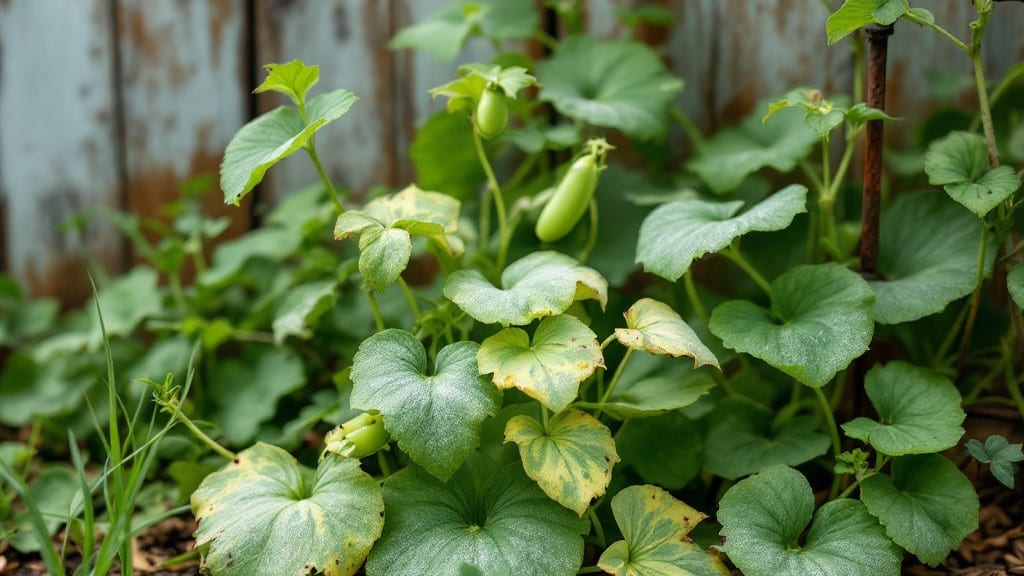
Garden pea diseases can turn your lush vines into a sad, spotted mess if you don't catch them early. 🌱 I've lost entire batches to powdery mildew and fusarium wilt—until I learned to spot the first warning signs and act fast.
The key is knowing what to look for before the leaves start looking like someone ran a cheese grater over them.
Most pea diseases start with tiny white or yellow spots on the leaves, followed by fuzzy growth or wilting stems. Powdery mildew looks like dust, downy mildew leaves yellow splotches on the undersides, and fusarium wilt causes sudden wilting even when the soil is moist.
The good news? Organic fixes like neem oil, copper sprays, and proper spacing can stop them in their tracks.
You'll save your harvest by rotating crops, choosing disease-resistant varieties, and keeping your garden clean. A little prevention now means no sad, crunchy peas later—just sweet, tender pods straight from your plants. Let's get those vines healthy again.
Works for backyard gardens, container growing, and even small-space setups. Here's how to keep your peas thriving all season long.
Root Causes of Pea Plant Struggles
Garden pea diseases rarely strike out of the blue—they’re usually the result of a perfect storm of environmental factors, poor growing conditions, or past gardening mistakes. Understanding why these issues occur is the first step to preventing them.
Below, we break down the key culprits behind pea plant decline, from invisible pathogens to overlooked care habits.
Fungi thrive in moist, shaded environments, and pea plants—with their dense foliage and love for cool weather—are prime targets. Here’s how fungal diseases like powdery mildew, downy mildew, and root rot get started:
- Excess Moisture: Overhead watering or poor drainage keeps leaves and soil damp for long periods, creating ideal conditions for spores to germinate. Why? Fungal spores need free water to spread, and pea plants’ tender leaves are easy entry points.
- Poor Air Circulation: Crowded pea plants or thick vines block airflow, trapping humidity near the foliage. Science note: Stagnant air reduces evaporation, keeping surfaces wet longer—fungi’s favorite conditions.
- Past Infestations: Fungal spores can survive in soil or plant debris for years. If you grew peas (or other susceptible crops like cucumbers or beans) in the same spot last season, lingering spores may reinfect new plants.
- Stress from Other Issues: Weakened plants—due to nutrient deficiencies, pests, or drought—are more vulnerable to fungal attacks. Example: Nitrogen deficiency stunts growth, making pea plants an easier target for powdery mildew.
💡 Pro Tip: Rotate crops annually and avoid planting peas in the same bed for at least 3 years to break the fungal life cycle.
Bacterial diseases like bacterial blight (Pseudomonas syringae) or halo blight (Pseudomonas syringae pv. phaseolicola) are often introduced through contaminated seeds, tools, or even wind and rain. Here’s how they gain a foothold:
- Contaminated Seeds or Soil: Bacteria can hitch a ride on seeds from infected plants or linger in soil from previous crops. Why it matters: Even a single infected seed can multiply rapidly in warm, wet conditions.
- Wounds from Pests or Pruning: Chewed leaves or cuts from harvesting create entry points for bacteria. Science alert: Bacteria thrive in plant sap, which leaks from damaged tissues.
- High Humidity + Warmth: Bacterial growth peaks at 77–86°F (25–30°C) with high moisture. Example: Afternoon showers followed by warm nights create the perfect bacterial buffet.
- Overhead Irrigation: Splashing water from sprinklers or rain can spread bacteria from lower leaves to upper foliage, accelerating outbreaks.
🔥 Warning: Once bacteria infect a pea plant, they cannot be cured—only contained. Remove infected plants immediately to prevent spread.
While pests like aphids, thrips, and pea weevils don’t cause diseases directly, their feeding weakens pea plants, making them susceptible to secondary infections. Here’s how:
- Sap-Sucking Pests (Aphids, Thrips): These insects inject toxins and remove plant sap, reducing photosynthesis and stunting growth. Result: Weakened plants can’t fight off fungal or bacterial invaders.
- Leaf-Chewing Insects (Pea Weevils, Cutworms): Physical damage disrupts the plant’s protective cuticle, creating entry points for pathogens. Example: A pea weevil’s feeding scars can invite Botrytis (gray mold) to take hold.
- Root Feeders (Wireworms, Grubs): Underground pests damage roots, reducing water and nutrient uptake. Why it’s critical: Stressed roots can’t support healthy top growth, leaving the plant vulnerable to systemic diseases like Fusarium wilt.
🌡️ Prevention Tip: Use row covers early in the season to block pests before they cause damage. Healthy plants resist disease better!
Peas are hardy, but extreme or inconsistent growing conditions can trigger disease outbreaks by compromising their natural defenses. Key stressors include:
| Factor | How It Causes Problems | Diseases It Triggers |
|---|---|---|
| Temperature Fluctuations | Sudden cold snaps or heatwaves shock pea plants, weakening cell walls and making them prone to infection. | Powdery mildew, downy mildew |
| Poor Soil Drainage | Waterlogged soil cuts off oxygen to roots, leading to rot and inviting fungal pathogens like Phytophthora. | Root rot, Fusarium wilt |
| Nutrient Imbalances | Too much nitrogen = lush but weak growth; too little phosphorus = stunted roots. Both scenarios invite disease. | Bacterial blight, powdery mildew |
| Late Planting | Peas sown too late in warm soil may struggle to establish roots before fungal spores (already in the soil) get active. | Damping-off (seedling rot) |
✨ Key Insight: Most pea diseases exploit stress. By optimizing growing conditions—like planting at the right time, ensuring good drainage, and balancing nutrients—you can drastically reduce risks.
Fixing Pea Plant Problems Naturally
When your garden peas start showing signs of distress, acting fast with the right solutions can save your crop—and your sanity. Below are targeted fixes for common pea diseases, organized by cause, along with preventive tips to keep your plants thriving.
Think of this as your organic first-aid kit for pea plants! 🌱💚
Fungi love damp, crowded conditions, and peas are often their favorite snack. Here’s how to kick them to the curb without harsh chemicals.
🔥 Remove and Replace Infected Plants
- Step 1: Snip off heavily infected leaves or stems (don’t compost them—toss in the trash or burn).
- Step 2: If the whole plant is a goner, pull it up by the roots to prevent spores from spreading.
- Pro Tip: 💡 Work in the early morning when plants are dry to avoid spreading spores to healthy foliage.
🌬️ Improve Airflow and Light
- Space plants 2–3 inches apart (or thin seedlings) to reduce humidity.
- Prune nearby plants blocking sunlight—fungi thrive in shade.
- Avoid overhead watering (use drip irrigation or water at the base).
🍳 Homemade Fungicides (Safe and Effective)
Mix one of these DIY sprays and apply every 7–10 days until the issue clears:
| Solution | How to Make It | How to Apply |
|---|---|---|
| Baking Soda Spray | 1 tbsp baking soda + 1 tsp dish soap + 1 gallon water | Spray under leaves (early morning). |
| Neem Oil Mix | 2 tbsp neem oil + 1 tsp mild soap + 1 quart water (shake well) | Spray evenly, avoid flowering pods. |
| Milk Spray | 1 part milk + 9 parts water (use fresh milk for best results) | Spray weekly—milk contains fungicidal properties! |
🌡️ Soil and Moisture Control
- Avoid soggy soil—fungi like root rot need constant moisture.
Let the top 1 inch of soil dry between waterings. - Add compost or well-rotted manure to improve drainage. - Mulch with straw (not wood chips, which can harbor fungi) to keep soil dry and cool.
Pests don’t just munch on peas—they carry diseases like powdery mildew and viral infections. Here’s how to evict them for good.
👨🍳 Manual Removal (Best for Small Infestations)
- Aphids/Thrips: Spray plants with a strong stream of water to knock them off.
Repeat daily for 3–4 days. - Pea Weevils: Handpick larvae and adults from pods and soil (wear gloves—these bugs are sneaky!). - Pro Tip: 🔥 Release ladybugs or lacewings—they’re natural aphid predators!
🍳 Organic Pest Repellents
| Pest | Solution | How to Use |
|---|---|---|
| Aphids | Garlic/Chili Pepper Spray | Blend 2 garlic cloves + 1 chili pepper + 1 quart water. Strain and spray. |
| Thrips | Insecticidal Soap | 1.5 tbsp soap (like Dr. Bronner’s) + 1 quart water. Spray directly on pests. |
| Pea Weevils | Diatomaceous Earth (DE) | Sprinkle food-grade DE around plants (reapply after rain). |
🌿 Prevent Future Infestations
- Interplant with herbs like basil, thyme, or marigolds—they repel pests naturally.
- Rotate crops—don’t plant peas in the same spot year after year.
- Use row covers (fine mesh) to block adult weevils from laying eggs.
These are tricky because once symptoms appear, the plant is usually a lost cause. Prevention is key!
🔪 Quarantine and Destroy Infected Plants
- Do NOT compost—bag and discard infected plants immediately.
- Sterilize tools with rubbing alcohol between uses to avoid spreading bacteria.
🌡️ Boost Plant Immunity
- Fertilize with compost tea (rich in beneficial microbes) to strengthen pea plants.
- Avoid nitrogen-heavy fertilizers—they weaken plants, making them more susceptible to viruses.
- Plant resistant varieties like ‘Little Marvel’ or ‘Oregon Sugar Pod’ (check seed packets for disease resistance).
🌱 Crop Rotation and Soil Health
- Wait 3 years before replanting peas in the same spot to break disease cycles.
- Test soil pH—peas prefer 6.0–7.0. Adjust with lime (to raise pH) or sulfur (to lower it) if needed.
Want to avoid diseases entirely?
Follow these easy habits: ✅ Start with healthy seeds—buy from reputable suppliers or save seeds from disease-free plants. ✅ Plant at the right time—cool weather (50–70°F) reduces fungal pressure. ✅ Water deeply but infrequently—morning watering (not evening) helps foliage dry faster. ✅ Clean up debris—remove old pea vines and plant matter after harvest. ✅ Use raised beds if your soil drains poorly—elevated plants = fewer fungal issues.
Frequently asked questions about garden pea diseases
Why do my pea plants suddenly develop white powdery spots?
That’s likely powdery mildew, a common fungal disease that thrives in humid conditions. The white powder appears when spores land on moist leaves and spread rapidly. Improve airflow by spacing plants 2-3 inches apart and spray with a baking soda mix (1 tbsp baking soda + 1 tsp soap per gallon of water) every 7-10 days.
Can I still eat peas if the pods have brown spots from bacterial blight?
No—bacterial blight (Pseudomonas syringae) makes affected pods unsafe to eat. Remove infected plants immediately to prevent spread. The bacteria enter through wounds (like pest damage) and can’t be cured, so focus on prevention: use resistant varieties like ‘Little Marvel’ and avoid overhead watering.
How do I tell if my wilting peas have fusarium wilt or just need water?
Fusarium wilt causes sudden wilting even when soil is moist, with yellowing leaves and vascular discoloration (brown streaks in stems). Water-stressed plants wilt temporarily but recover after watering. For fusarium, rotate crops for 3 years and plant resistant varieties—there’s no cure once symptoms appear.
Will neem oil work on downy mildew?
Yes! Neem oil disrupts fungal growth and is effective against downy mildew (which causes yellow splotches on leaf undersides). Mix 2 tbsp neem oil + 1 tsp soap per quart of water and spray evenly, avoiding flowering pods. Apply in the early morning for best results.
Can I save my pea crop if aphids are spreading powdery mildew?
Yes, but act fast: blast aphids off with water, then treat with garlic spray (blend 2 cloves + 1 chili pepper per quart of water). After pests are gone, apply neem oil to stop mildew. For prevention, interplant with basil or marigolds—they repel aphids naturally.