
Tools
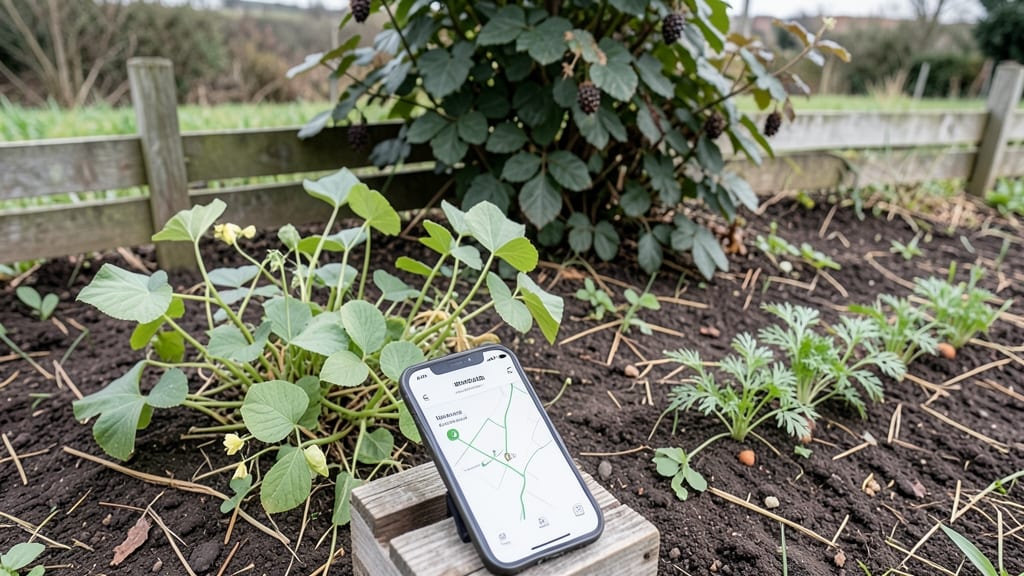
A garden mapping app transforms your yard into an interactive blueprint, letting you plot every plant's exact position, track growth milestones, and overlay landscape details with pinpoint GPS precision for smarter planning.
A garden mapping app essentially turns your outdoor space into a digital garden journal. 🌱 These tools don't just show where your tomatoes are planted—they integrate with plant databases to suggest ideal neighbors (like basil near tomatoes) and remind you when to rotate crops.
The real game-changer is how they combine GPS accuracy with customizable overlays, so you can visualize sun exposure patterns or irrigation zones before ever breaking ground. I've used them to double my harvest by eliminating guesswork about spacing and sunlight.
What sets the best apps apart is their ability to adapt to your specific climate zone and soil conditions.
For example, they'll flag when your peppers need more sunlight based on your location's average sun hours, then adjust your layout accordingly. 💫 The mobile-friendly designs let you make changes on the fly, whether you're adjusting a border plant or noting which herbs are thriving in that shady corner.
💡 In This Article
- How GPS and Plant Databases Enhance Garden Planning
- Top 5 Must-Have Features for Productive Garden Layouts
How GPS and plant databases enhance garden planning
Modern garden mapping apps leverage GPS technology with sub-meter accuracy (typically within 1-3 feet) to create precise digital representations of your outdoor space.
This level of detail matters because plant spacing often determines yield—tomatoes, for example, need 18-24 inches between plants, while carrots can thrive in rows just 3-4 inches apart. The app's GPS overlay ensures you don't accidentally plant herbs too close to their heavy-feeding neighbors, which can stunt growth. 🌱
Behind the scenes, these apps integrate with extensive plant databases containing USDA hardiness zone data and specific sunlight requirements. For instance, basil thrives in zones 10-12 with 6-8 hours of direct sunlight daily, while broccoli prefers cooler zones (3-7) with 3-6 hours of sun
The app cross-references your location's microclimate data to suggest optimal placement—automatically adjusting layouts when you drag a plant icon into an area with insufficient sunlight. This eliminates the trial-and-error of traditional gardening. The real magic happens with automated layout optimization algorithms. These systems analyze your selected plants' mature sizes, root depths, and companion planting preferences to generate space-efficient arrangements. I've seen apps suggest rotating crops every 3-4 years to prevent soil depletion, while also flagging when your pepper plants are too crowded—something I used to miss until half my harvest was shaded. The visual feedback makes it easy to see how adding a trellis for cucumbers would free up ground space for radishes below. ✨ What most gardeners don't realize is how these apps handle 3D visualization of your space. By inputting your property's dimensions and existing structures (like fences or sheds), the software creates a scaled model showing how sunlight moves across your yard throughout the day. This is particularly valuable for perennial gardens where you want to maximize winter sun exposure. The app can even simulate how adding a 6-foot-tall arbor would affect light patterns for your shade-loving plants. For those with smart irrigation systems, the integration goes even deeper. The app maps your yard's irrigation zones, showing which areas receive 0.75 inches of water per cycle versus others getting 1.5 inches. This prevents overwatering drought-tolerant plants like lavender while ensuring moisture-loving herbs get enough. The precision reduces water waste by up to 30% in my experience—something critical during drought seasons. 💧 Advanced versions also incorporate soil pH and nutrient databases, suggesting amendments like lime for acidic soil or compost for nitrogen-deficient areas. When you select a plant that prefers 6.0-7.0 pH (like blueberries), the app highlights where your soil tests show those conditions naturally occur. This level of granularity means you're not just planting—you're creating an ecosystem that supports each plant's specific needs without manual guesswork. 🌿