
Companion Plants
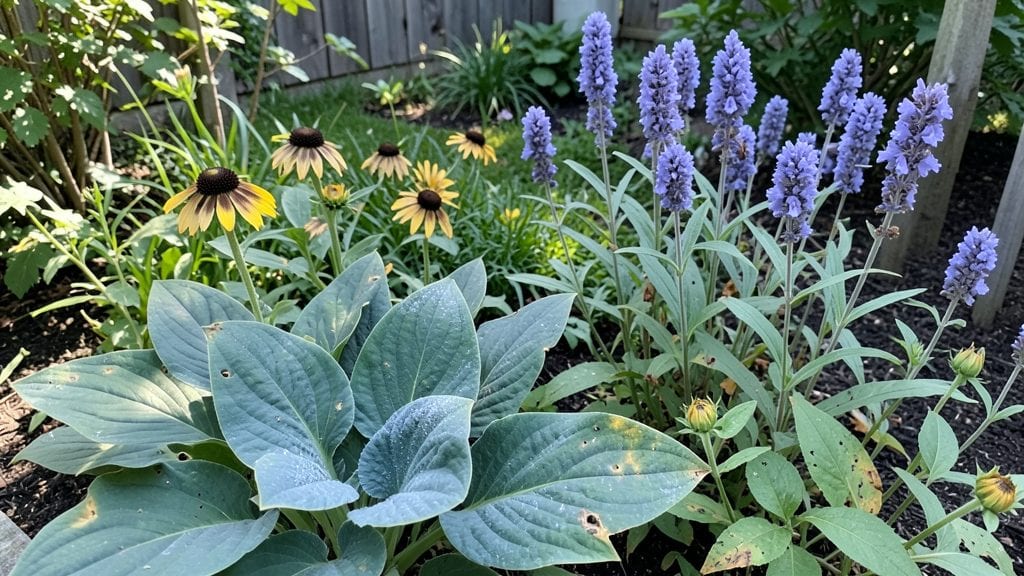
Buying garden live plants that actually thrive starts with knowing where to look—and what to look for. 🌱 I’ve learned the hard way that a lush nursery display doesn’t always mean a healthy plant waiting to grow in your garden.
The right source, a quick health check, and a little prep work make all the difference between a plant that flops and one that takes off.
First, source from reputable local nurseries or trusted online retailers with strong reviews. Look for plants with vibrant, deep-green leaves—not yellowing or wilted—and firm stems that don’t snap easily. Avoid anything with whiteflies or sticky residue (aphids’ calling card).
Once home, give them a few days to adjust before transplanting, especially if moving from a greenhouse to your yard.
With the right care, your new plants will settle in faster than you think. Water deeply but let the soil dry slightly between waterings to prevent root rot, and keep them in dappled shade for the first week if moving from a shaded nursery.
By the time summer rolls around, you’ll have a garden that’s lush, productive, and full of plants that actually stick around.
Seasonal timing matters too—spring and fall are ideal for transplanting, while high summer heat can shock even the hardiest plants. Start with small batches to test what works in your space, and don’t hesitate to ask nursery staff for their top picks for your climate.
The payoff? A garden that feels alive all year long.
📚 In This Guide
- What you need
- Instructions
- Tips and common mistakes
- Wrapping up and next steps
What you need
- ● Live plants: Choose 2-4 companion pairs (e.g., basil + tomatoes, marigolds + cucumbers, or lavender + rosemary). Opt for healthy, disease-free specimens (check for no yellowing leaves or pests).
- ● Potting soil: 5–10 gallons of high-quality, well-draining soil (e.g., Miracle-Gro Potting Mix or organic compost).
- ● Containers or garden beds: Containers: 5–15 gallon pots with drainage holes (1–2 per plant pair).
- ● Garden beds: 12"–18" deep, loose soil (amend with compost if needed).
- ● Watering can or hose: With a gentle spray nozzle for even moisture.
- ● Fertilizer: Balanced liquid fertilizer (e.g., 10-10-10 NPK) or organic options like fish emulsion.
- ● Gloves (to protect hands from thorns or soil).
- ● Pruning shears (for trimming dead growth).
- ● Mulch (2–3 inches of straw or wood chips to retain moisture).
- ○ pH test kit (optional but helpful for soil health; aim for 6.0–7.0).
- ○ Sunlight meter (optional; ensures proper light exposure for plant pairs).
- ● Know your USDA Hardiness Zone (check USDA Plant Hardiness Zone Map).
- ● Research companion plant benefits (e.g., pest control, pollination, or growth support).
- ● Plan for seasonal care (e.g., winter protection for tender plants).
How to create thriving live plant pairings in your garden
Pairing plants right transforms your garden from scattered greenery into a harmonious ecosystem.
🌱 Step 1: Group Plants by Sunlight and Water Needs
Start by organizing your live plants into four basic categories: full sun lovers, part sun, part shade, and full shade. I place sun-worshippers like lavender and rosemary together in the south-facing bed where they get 6+ hours of direct light daily. These plants share similar water needs too—deep but infrequent watering keeps them happy without drowning.
For part-sun plants like coleus or impatiens, I create a separate zone with 4-6 hours of morning sun and afternoon shade. These need consistent moisture but won't tolerate soggy roots. Full-shade plants like ferns or hostas go in the north side where they get less than 3 hours of light—here, I mulch heavily to retain moisture since they drink water steadily but never heavily.
💧 Step 2: Layer Plants by Height and Growth Habits
Tall plants like ornamental grasses or sunflowers go in the back, while medium-height shrubs such as boxwood or hydrangeas fill the middle. I always leave 12-18 inches of space between these layers so air circulates freely—this prevents fungal diseases that thrive in damp, crowded conditions. For the front edge, I use low-growing plants like creeping thyme or ajuga to define the border neatly.
Here's the thing—growth habits matter just as much as height. Pair fast-spreading plants like mint or lemon balm with slow growers to prevent them from taking over. I've learned the hard way that letting mint creep unchecked will smother everything else within a season. Always check plant tags for mature spread measurements before pairing.
☀️ Step 3: Match Soil Preferences for Optimal Growth
Now it's time to get hands-on with the soil. I test pH levels first using a simple kit—most companion pairings thrive in slightly acidic to neutral soil (6.0-7.0). For example, blueberries and hydrangeas love acidic soil, so I mix in peat moss to lower the pH in their bed. Meanwhile, vegetables like tomatoes and peppers prefer 6.5-7.0, so I add crushed limestone to sweeten the soil in their section.
Drainage is just as critical. If you have heavy clay soil, I recommend amending with compost and perlite to create air pockets. You'll know drainage is right when water soaks in within 10-15 minutes after watering, leaving the top inch dry to the touch. Poor drainage leads to root rot, and that's a battle no plant wants to fight.
✂️ Step 4: Prune and Maintain for Long-Term Harmony
Regular pruning keeps plants from competing for resources. I trim back leggy growth on herbs like oregano or thyme to encourage bushier, more productive plants. For flowering companions like marigolds or nasturtiums, I deadhead spent blooms to redirect energy into new growth. This simple act extends the blooming season by 3-4 weeks—a game-changer for color.
Watch for signs of stress like yellowing leaves or stunted growth. These often signal a mismatch in care needs. For instance, if your basil starts wilting while nearby peppers stay perky, it might need more water or shade. I keep a small notebook nearby to jot down observations—this helps me adjust pairings before problems escalate.
🪴 Step 5: Rotate and Refresh Seasonally
Seasonal changes mean shifting plant needs. In spring, I rotate shade-loving plants to areas that receive morning sun, while summer brings opportunities to swap out frost-sensitive annuals for heat-tolerant varieties. I always leave 6-12 inches between new plants and established ones to avoid crowding during their first growing season.
Every fall, I remove spent plants and add 2-3 inches of fresh mulch to protect roots over winter. This also gives me a chance to reassess pairings—what worked in summer might need adjustments for spring. For example, tall sunflowers that provided shade in summer may need to be replaced with lower-growing perennials in spring to allow sunlight to reach smaller plants below.
Tips & tricks for perfect garden live plant pairings
A few simple strategies can turn your garden from a random collection of plants into a thriving, self-sustaining ecosystem.
The Light Factor: Pay attention to how sunlight moves across your yard throughout the day. Morning sun behaves differently than afternoon sun—what gets 6+ hours of direct light in summer might only receive 3 hours in winter. I mark my garden beds with stakes showing sun exposure times to avoid mispairing plants. This simple step prevents the common mistake of placing shade-loving plants where they'll get afternoon sunburn.
Seasonal Rotation Strategy: Don't be afraid to move plants between beds as seasons change. In spring, I rotate my shade-loving perennials to morning sun positions where they'll get filtered light. The key is to leave 6-12 inches of space between plants during their first season—this prevents overcrowding as they establish. I've found that plants adjust much better when they have room to spread their roots without competition.
Soil Testing Tip: That pH test kit I mentioned isn't just for show—use it! Most companion plantings thrive in 6.0-7.0 range, but some like blueberries need 4.5-5.5. I test soil in each bed before pairing plants. For example, my vegetable section needs crushed limestone to maintain 6.5-7.0 pH, while my hydrangea bed gets peat moss to keep it acidic. This small investment prevents nutrient deficiencies that cause yellowing leaves.
Pruning Payoff: I can't stress enough how regular pruning extends your garden's productivity. When I deadhead marigolds and nasturtiums, they reward me with 3-4 extra weeks of blooms. For herbs, I trim leggy growth to encourage bushier plants that produce more leaves. This simple maintenance keeps plants from competing with each other for sunlight and nutrients.
Pro Tips for Garden Live Plants
- A few simple strategies can turn your garden from a random collection of plants into a thriving, self-sustaining ecosystem.
- The Light Factor: Pay attention to how sunlight moves across your yard throughout the day.
- Seasonal Rotation Strategy: Don't be afraid to move plants between beds as seasons change.
Frequently asked questions
Got questions about keeping your garden live plants thriving year-round?
You're not alone! Here are answers to the most common concerns—from timing tricks to troubleshooting tips—so your companion pairings stay lush and happy.
How do I choose the best companion plants for my garden live plants?
Pair plants with similar water, sunlight, and soil needs. For example, basil thrives alongside tomatoes, while marigolds deter pests near herbs. Research companion plant charts or ask local nurseries for region-specific pairings. Pro tip: Avoid competing plants like mint (it spreads aggressively) near delicate flowers!
When is the best time to plant live garden plants for year-round growth?
Start in early spring (after the last frost) or late summer for fall/winter harvests. Perennials (like lavender or asparagus) can be planted anytime their soil isn’t frozen. Container plants offer flexibility—move them indoors in winter if needed! Check your USDA hardiness zone for local timing.
How often should I water live garden plants in pots vs. in-ground?
Potted plants need daily watering (or more in heatwaves), while in-ground plants thrive with 1–2 inches of water per week. Use your finger to test soil moisture—if the top inch is dry, it’s time to water. Mulch helps retain moisture and reduces evaporation. Morning watering prevents fungal diseases.
What’s the fastest way to fix yellowing leaves on my garden live plants?
Yellow leaves often signal overwatering or nutrient deficiency. First, check soil drainage—soggy roots cause rot! Adjust watering and fertilize with a balanced 10-10-10 mix or compost tea. Pests like aphids can also drain plants; spray with neem oil or introduce ladybugs for natural control.
Can I keep garden live plants alive indoors during winter?
Yes! Move tender perennials (like geraniums) to a sunny windowsill or under grow lights. Reduce watering (soil stays moist but not soggy) and avoid drafts. Succulents and herbs (basil, thyme) adapt well. For tropical plants, use a humidifier or pebble tray to mimic their natural environment.
Wrapping up and next steps
Transforming your garden into a year-round thriving oasis is easier than you think!
By mastering the art of companion planting with live plants, you’ll create a harmonious ecosystem that boosts growth, deters pests, and enhances beauty—naturally. 🌱 Whether you’re a seasoned gardener or just starting, these pairings are your secret weapon for a lush, low-maintenance garden.
Ready to take the next step? Start small—pick one plant pair from this guide and observe the magic unfold. Before you know it, your garden will be teeming with life, and you’ll be the neighborhood green thumb everyone admires! 🌿