
Tools
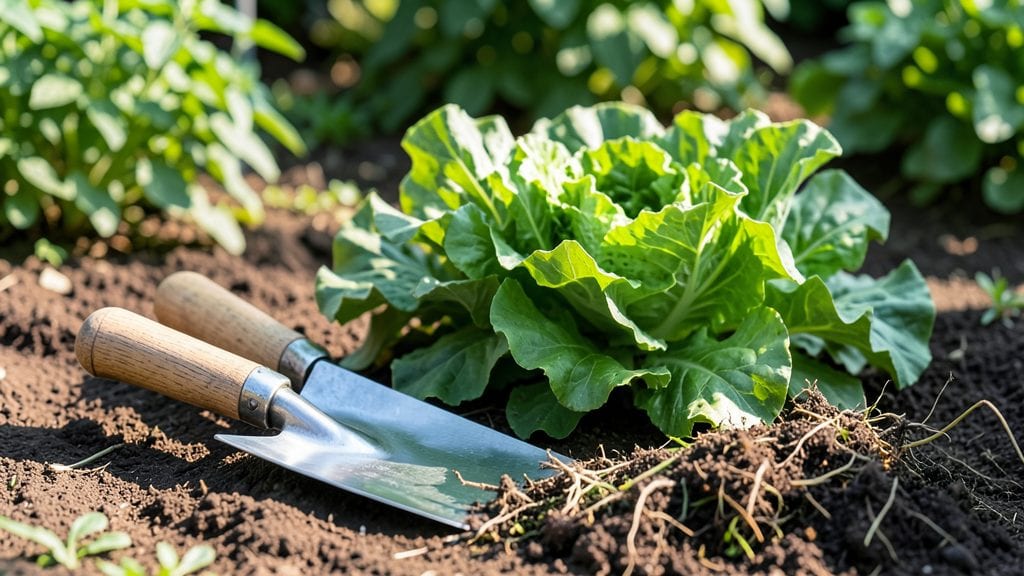
Garden hoes have versatile uses beyond weeding: they slice through soil for transplanting seedlings, level garden beds, and cut weeds at the root while aerating compacted earth. Their sturdy blades also harvest potatoes, chop mulch, and create precise furrows for direct seeding.
A garden hoe isn't just for clearing weeds—it's a multi-purpose tool that transforms your gardening workflow. 🌱 The right blade design can break up hardpan soil, making it easier for roots to penetrate, while also preventing weed regrowth by cutting them below the surface.
For example, stirrup hoes are perfect for chopping mulch into fine pieces, while draw hoes create clean furrows for seeds. I've found that using a hoe to harvest potatoes minimizes damage to nearby plants, and its versatility extends to edging flower beds or even pruning low-lying plants when used carefully.
What makes hoes so valuable is their ability to perform multiple tasks with minimal effort. The blade's angle and weight determine how effectively it cuts through soil or weeds, so choosing the right type for your garden's needs can save hours of backbreaking work.
For instance, a scuffle hoe works wonders for maintaining weed-free paths between rows, while a standard draw hoe can level uneven garden beds in minutes. The key is understanding how each design interacts with your soil type—whether it's sandy, clay-heavy, or loamy—to maximize efficiency.
💡 In This Article
- How Garden Hoes Work to Improve Soil and Plant Health
- 12 Unexpected Ways to Use a Hoe in Your Garden
How garden hoes work to improve soil and plant health
The mechanics behind a garden hoe's effectiveness start with its blade design. A stirrup hoe features a flat blade with a slight curve, allowing it to chop mulch into 1/4-inch pieces while cutting weeds at the soil line.
This design creates a "chop-and-drop" effect that smothers weeds by blocking sunlight while improving soil aeration. The blade's 12-18 inch width means each pass covers more ground than a standard weeding knife, making it ideal for large garden beds where weed regrowth is rapid.
For heavy clay soils, a draw hoe with its 30-45 degree angled blade becomes essential. When pushed forward, this blade slices through compacted layers, breaking up hardpan that restricts root penetration.
The 1/4 to 1/2 inch deep cuts it creates improve drainage by allowing water to infiltrate rather than pool on the surface. This is particularly valuable in spring when clay soils become waterlogged after winter rains, preventing the anaerobic conditions that stunt plant growth.
The science of weed control comes down to timing and technique. Cutting weeds at the root collar (the junction between stem and root) is far more effective than surface slicing because it severs the plant's vascular system.
A scuffle hoe's narrow, pointed blade allows precise cuts at this critical zone, while its lightweight design lets you work quickly in tight spaces between plants.
Studies show that removing weeds before they reach 2 inches tall reduces competition for nutrients by up to 90%, giving your crops a significant advantage.
Soil compaction presents another challenge where hoes excel. When foot traffic or machinery compresses soil, the pore spaces between particles shrink, reducing oxygen availability to roots. A draw hoe's blade creates 1/8 to 3/16 inch vertical slits that relieve this pressure, allowing roots to expand into the loosened soil.
This is especially beneficial for root crops like carrots and beets, which need 6-12 inches of loose soil to develop properly. The mechanical disruption also encourages earthworm activity, which further improves soil structure through their burrowing and castings.
Consider the texture differences between soil types when choosing your approach. Sandy soils benefit most from the stirrup hoe's chopping action, which prevents mulch from blowing away while incorporating organic matter. Clay soils, however, require the draw hoe's deeper cuts to break up their dense structure.
The key is matching the blade angle to your soil's moisture content—dry clay needs more force, while moist clay yields more easily to the blade's pressure.
What most gardeners don't realize is how hoes improve long-term soil health. By preventing weed regrowth, they reduce the need for herbicides that can harm beneficial soil microbes. The physical disruption from hoeing also prevents the formation of hardpan layers that develop over time in undisturbed soil.
For vegetable gardens, this means healthier plants with stronger root systems that can withstand drought conditions better than those in compacted soil.