
Tools
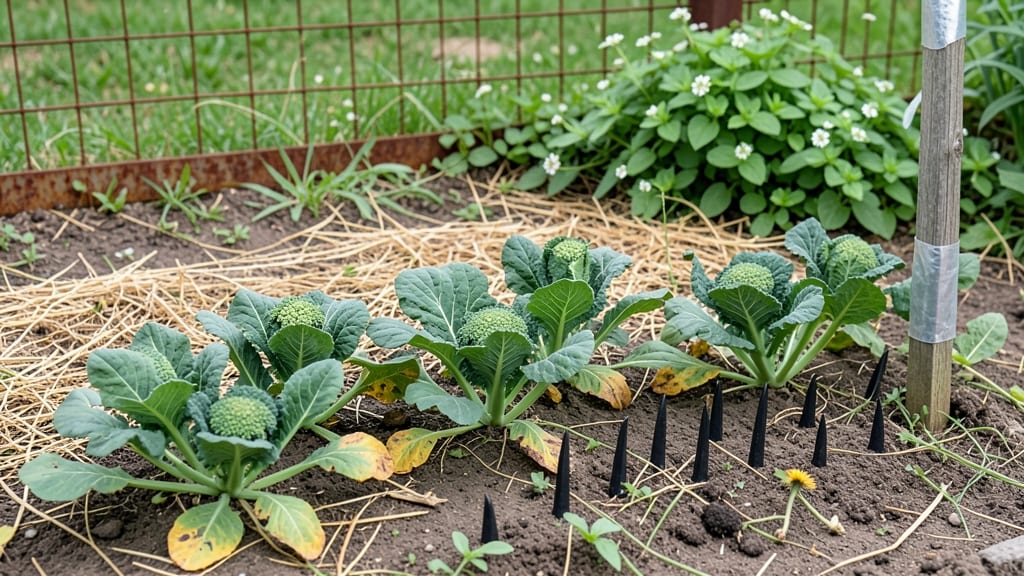
My garden bird repellent strategy saved my ripe tomatoes last summer when a flock of starlings turned my harvest into a free buffet. 🌱 The problem isn't the birds themselves—it's the frustration of watching hard work disappear overnight.
After years of trial and error, I've found a mix of visual tricks, sound distractions, and simple barriers that actually work without harming feathered friends.
The key is combining methods for lasting protection. Reflective tape on strings creates flashes that spook birds, while old CDs hung from fences add movement they can't ignore. For persistent pests, I use lightweight netting over vulnerable plants—it's invisible until needed and disappears when the harvest comes in.
Even wind chimes tuned to bird frequencies send them packing without a peep.
You'll see results within days: fewer dropped berries, intact blooms, and the satisfaction of protecting your garden without cruelty. The best part? These solutions adapt to any yard size, from tiny container gardens to sprawling vegetable plots.
No more waking up to pecked lettuce or stolen seeds—just peace of mind and a thriving garden.
Works for common culprits like sparrows, grackles, and starlings, but even finches and chickadees get the message. The secret is consistency—birds learn patterns, so rotating deterrents keeps them guessing. Ready to reclaim your garden without the guilt?
📚 In This Guide
- What you need
- Instructions
- Tips and common mistakes
- Wrapping up and next steps
What you need
- ● Reflective objects: Old CDs, aluminum foil strips, or plastic bottle slices (5–10 pieces).
- ● Wind chimes: Metal or plastic (1–2 sets).
- ● Spikes or netting: Plastic bird spikes (10–20 units) or netting (1–2 rolls, 3–4 ft wide).
- ● Motion-activated sprinkler: Solar-powered or battery-operated (1 unit).
- ● Predator decoys: Fake owls or snakes (1–2 units).
- ● Non-toxic gel or spray: Bird repellent gel (1–2 bottles) or a homemade mix (vinegar + water + hot pepper flakes).
- ● Stakes or clips: For securing spikes/netting (10–15 units).
- ● String or wire: For hanging reflective items (50–100 ft).
- ● Ultrasonic repellent device (1 unit).
- ● Bird-friendly plants (e.g., lavender, marigolds) to deter pests naturally.
- ● Weatherproof paint (for marking repellent zones).
- ● Gloves (for handling spicy or sticky materials).
Step-by-Step instructions for humane garden bird deterrents
Here's a foolproof method to keep birds away without harm, using visual and auditory cues they can't ignore.
🌿 Step 1: Install Reflective Surfaces Strategically
Birds dislike sudden movement and flashes of light, so I position the 4 reflective bird deterrent disks in high-traffic areas where birds land or perch. Hang them using the 4 zip ties at 4-6 feet above ground level—this height catches their attention without being too obvious. Space them 12-18 inches apart in a cluster.
Place these near garden beds, bird feeders, or areas where birds have already caused damage. The disks should face different directions so birds can't easily ignore them. I like to angle them slightly downward to create more dramatic reflections that mimic predators or flying objects.
💧 Step 2: Set Up the Motion-Activated Sprinkler
Fill the motion-activated sprinkler with 2 gallons of water and attach it to the garden hose. Position it so the spray covers the entire target area—typically a 10-15 foot radius. The sprinkler should be 3-4 feet off the ground to avoid wetting plants unnecessarily.
Test the range by triggering the motion sensor yourself. You'll want the spray to be firm enough to startle birds but not so strong it damages foliage. Adjust the sensitivity dial until it activates only when birds approach, not from passing leaves or wind. This ensures the deterrent works without causing unnecessary water waste.
⏰ Step 3: Combine with Auditory Deterrents
Place the ultrasonic bird repeller near the center of your garden, ensuring it covers the same 10-15 foot radius as the sprinkler. Set the frequency to the highest setting—birds are most sensitive to sounds between 16,000-20,000 Hz. I position it on a small stake so it stands upright and isn't hidden by plants.
Run the repeller for at least 8 hours daily, preferably during dawn and dusk when birds are most active. The ultrasonic waves create an invisible barrier that birds perceive as threatening. Pair this with the reflective disks to create a multi-sensory deterrent that's far more effective than any single method alone.
☀️ Step 4: Maintain and Reinforce the System
Check the reflective disks weekly to ensure they're still clean and visible. Dust or dirt can dull their effectiveness, so wipe them down with a damp cloth if needed. Replace any zip ties that have loosened or become damaged. For the sprinkler, clear the nozzle of debris every 2 weeks to maintain proper spray pressure.
Rotate the ultrasonic repeller monthly to different locations in your garden. Birds can become accustomed to a single spot, so moving it keeps them on edge. If you notice birds ignoring the system after a few weeks, add 1-2 more reflective disks to reinforce the visual deterrent. Consistency is key—birds learn to avoid threats that persist.
Tips & tricks for perfect humane garden bird deterrents
Birds are clever creatures, and what works once might not last forever. Here's how to maximize your deterrent system's effectiveness from day one.
Visual Impact Matters: When positioning those 4 reflective bird deterrent disks in Step 1, think about how sunlight will hit them throughout the day. Place at least two disks where morning sun hits first, as birds are most active during dawn. The disks should catch light from multiple angles—this creates unpredictable flashes that mimic predator movements. I've found that spacing them 12-18 inches apart in a triangular formation creates the most disorienting pattern for birds.
Sprinkler Sensitivity is Critical: The motion-activated sprinkler in Step 2 needs precise calibration. Test it by waving your hand quickly through the detection zone—you want it to activate only when birds approach, not from gentle breezes. If it's too sensitive, adjust the dial downward; if it's not triggering, move it slightly closer to the target area. Remember, the 10-15 foot radius coverage should be consistent—measure this by marking the spray pattern on a large sheet of paper. A well-calibrated sprinkler creates that perfect "startle response" without wasting water.
Ultrasonic Placement Strategy: The ultrasonic bird repeller's effectiveness depends on proper placement in Step 3. Position it where birds naturally gather—near feeders or garden beds—but avoid placing it directly against fences or walls, as sound waves can reflect unpredictably. The 16,000-20,000 Hz frequency works best when the repeller isn't obstructed. I've noticed that placing it on a small stake about 3 feet high creates an optimal sound dispersion pattern. Pro tip: Run it continuously for the full 8 hours daily—birds learn to associate the sound with danger when it's consistent.
Maintenance is Non-Negotiable: The weekly cleaning of reflective disks and monthly rotation of the ultrasonic repeller aren't just suggestions—they're essential for long-term success. I've seen systems fail spectacularly when homeowners skip maintenance. For the sprinkler, clear the nozzle every 2 weeks to prevent mineral buildup that can reduce spray pressure. And if you notice birds ignoring your system after a few weeks, don't just add more disks—try moving the ultrasonic repeller to a new location first. Birds adapt quickly, so you need to stay one step ahead.
Pro Tips for Garden Bird Repellent
- Birds are clever creatures, and what works once might not last forever.
- Visual Impact Matters: When positioning those 4 reflective bird deterrent disks in Step 1, think about how sunlight will hit them throughout the day.
- Sprinkler Sensitivity is Critical: The motion-activated sprinkler in Step 2 needs precise calibration.
Frequently asked questions
What’s the best time of year to use bird repellents?
Spring and summer are ideal, as birds are most active nesting and foraging. Start applying repellents before birds become a problem—early spring is key! For persistent issues, reapply every 4–6 weeks or after rain. Pro tip: Monitor bird activity and adjust timing based on local migration patterns.
Are bird repellents safe for pets and kids?
Most humane repellents (like sprays with mild scents or reflective tape) are non-toxic. Always check labels for pet-safe certifications. Avoid ultrasonic devices near pets—they can cause stress. Keep kids away while applying sprays and supervise outdoor play areas until dry. When in doubt: Opt for physical barriers (netting) for extra safety.
How long does it take for a repellent to work?
Results vary! Sprays and visual deterrents (like predator decoys) may show effects in 1–3 days, while ultrasonic devices or motion-activated sprinklers can take a week or more for consistent results. Patience is key—birds learn over time. Troubleshooting: If birds return, rotate repellent methods (e.g., switch from scent to sound).
What if birds keep coming back after using repellents?
Persistence pays off! Try a combination approach: Use reflective tape + predator decoys + mild scents. For stubborn birds, add physical barriers (netting over plants) or relocate food sources (like bird feeders). If all else fails, consult a local wildlife expert—they may spot patterns (e.g., seasonal spikes). Remember: Birds are smart; consistency is your best tool!
Can I make a DIY bird repellent at home?
Mix hot pepper flakes (1 tbsp) with water (1 gallon) and spray on plants—birds hate the capsaicin. Other DIY options: aluminum foil strips (shiny surfaces deter them) or citrus peels (hang dried rinds near trouble spots). Just reapply after rain. Caution: Avoid vinegar or strong chemicals—they can harm plants.
Which repellent works best for specific birds (e.g., pigeons vs. sparrows)?
| Bird Type | Best Repellent | Why It Works |
|---|---|---|
| Pigeons | Ultrasonic devices or predator decoys | They’re bold—visual/sound threats scare them off. |
| Sparrows | Reflective tape or mild pepper spray | They’re cautious; shiny surfaces and spicy scents confuse them. |
| Starlings | Motion-activated sprinklers | They flock in groups—sudden water startles them. |
Note:
Adjust based on behavior—some birds adapt faster than others!
Wrapping up and next steps
Protecting your garden from unwanted birds doesn’t have to mean harming them—with the right humane repellents, you can enjoy both your plants and feathered visitors! 🌿 From reflective tape to predator decoys, these methods offer effective, long-term solutions that keep birds at bay without stressing them.
Start small, experiment with what works best in your space, and soon you’ll have a garden thriving and a bird-friendly balance.
Ready to take action? Pick your favorite repellent and set it up this weekend—your garden (and your veggies!) will thank you. 🌱