
Tools
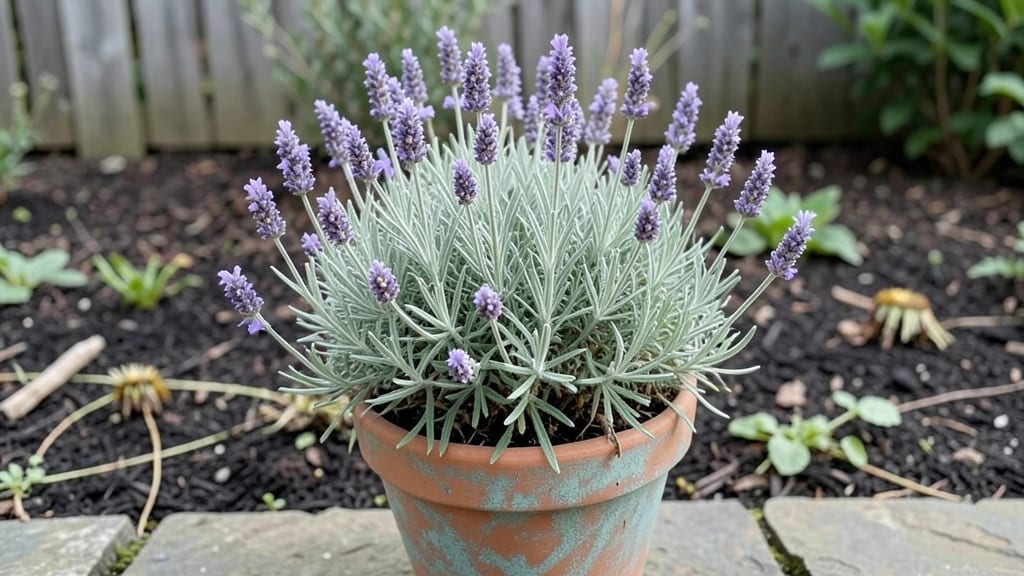
Designing a French Laundry garden starts with the plants that whisper luxury—lavender, olive trees, and ornamental grasses swaying like silk curtains. 🌿 I’ve spent years perfecting this look, and the secret isn’t just the plants but how they’re arranged: think symmetrical pathways, gravel that glows underfoot, and water features that hum like a quiet conversation.
The color palette is the real game-changer—soft whites, muted sage, and just a hint of lavender to echo the restaurant’s signature elegance.
The layout matters just as much as the plants. Picture gravel paths that guide you effortlessly, stone accents that feel timeless, and structured shrubs that frame the space like a well-composed painting. I’ve found that adding a small water feature—even a simple bubbling stone—creates that unmistakable French Laundry ambiance.
It’s all about creating a space that feels intentional, not just filled. The key is keeping it clean: prune regularly, edit ruthlessly, and let the textures do the talking.
What you’ll end up with is an outdoor dining area that feels like a private retreat—soft lighting, fragrant air, and a sense of calm that’s impossible to resist. The plants stay lush with minimal fuss, and the gravel stays neat with just a quick sweep.
It’s the kind of garden that makes guests pause and say, “How did you do this?” The answer? Thoughtful design, quality materials, and a little French-inspired magic.
This style works for any outdoor space, from a cozy courtyard to a sprawling backyard. The principles stay the same: layer textures, play with light, and let the plants lead.
Whether you’re hosting a dinner party or just enjoying a quiet evening, this garden will elevate every moment. Let’s bring that French Laundry charm to your backyard.
📚 In This Guide
- What you need
- Instructions
- Tips and common mistakes
- Wrapping up and next steps
What you need
- ● Stone or brick pavers (10–20 sq. ft., depending on patio size) – Opt for herringbone or random-ashlar patterns for that classic French vibe.
- ● Gravel or crushed stone (2–3 bags, 50 lbs each) – For pathways and drainage.
- ● Outdoor rug or jute mat (6’x9’ or larger) – Adds warmth under dining tables.
- ● Wrought-iron or wicker furniture (1–2 pieces, like a bistro set or café table) – Choose distressed finishes for authenticity.
- ● Linen or cotton tablecloths (2–3, neutral tones) – Essential for that French bistro feel.
- ● Potted herbs and flowers (rosemary, lavender, geraniums, or sunflowers) – 3–5 medium-sized pots (10–12” diameter).
- ● String lights or lanterns (10–15, Edison bulbs preferred) – For that magical evening glow.
- ● Garden trowel and shovel – For planting and soil prep.
- ● Wheelbarrow – For hauling materials.
- ● Level and measuring tape – Ensures even paving and symmetry.
- ● Garden hose with spray nozzle – For watering and cleaning.
- ○ Optional: French-style arbor or trellis (for climbing roses or vines).
- ● Vintage crates or wooden pallets (for rustic seating or planters).
- ● Outdoor-safe paint (for distressing furniture or planters).
Step-by-Step instructions for creating a French Laundry garden
Here's how to craft a refined outdoor retreat with lush layers and timeless charm.
🪴 Step 1: Plan Your Foundation with Structural Plants
Start with your tallest plants to create the garden's backbone. I like to use ornamental grasses like fountain grass or little bluestem—they add movement and vertical interest. Place them at the back of your space, spaced 18-24 inches apart to allow mature growth without overcrowding.
Next, add shrubs like boxwood or dwarf lilac for structure. These should be positioned 12-18 inches from the edge of your dining area to frame the space elegantly. The key here is balance:: pair one bold focal plant with softer fillers to create visual harmony. For example, a single boxwood bush flanked by two smaller lavender plants adds depth without overwhelming the space.
🌱 Step 2: Layer in Mid-Height Plants for Texture
Now it's time to fill the middle layer with plants that will cascade gracefully over time. Rosemary, thyme, and dwarf periwinkle are perfect choices—they stay compact yet add lush greenery. Space these 8-12 inches apart to allow air circulation and prevent disease.
Here's the thing—I always mix textures by pairing broadleaf plants like heuchera (coral bells) with fine-textured grasses. The contrast creates visual interest and makes the garden feel more dynamic. If you're using containers, group odd numbers (3 or 5 plants) for a natural, organic look that feels intentional.
🌿 Step 3: Add Low-Growing Plants for Soft Edges
For the final layer, use creeping thyme, ajuga, or dwarf sedum to soften the edges and fill gaps. These plants spread gently, creating a carpet-like effect that ties everything together. Plant them 6 inches apart in loose clusters to encourage natural growth patterns.
This is where the French influence comes in: keep the edges slightly irregular, almost as if they've been gently shaped by time. Avoid crisp, straight lines—opt for flowing curves that invite you to linger. If you're worried about overgrowth, use a mulch ring around each plant to contain the spread while still allowing it to breathe.
✂️ Step 4: Incorporate Seasonal Accents for Color
Add pops of color with annuals like geraniums, salvia, or nemesia to keep the garden vibrant throughout the seasons. These plants thrive in containers and can be swapped out every few months to refresh the look. Place them near seating areas where their fragrance and color will be most enjoyed.
I like to use French lavender as a staple—its silvery foliage and purple blooms add a touch of sophistication while attracting pollinators. If you're working with a limited palette, stick to three main colors (like white, blush, and sage green) to maintain that timeless French aesthetic. Avoid bright, clashing hues that might feel too modern or chaotic.
☀️ Step 5: Maintain with Thoughtful Care
Water deeply once a week in the first growing season to establish roots, then taper to every 10-14 days once established. The goal is to encourage deep root growth, so let the top 1-2 inches of soil dry out between waterings. Overwatering is the fastest way to kill these plants—French gardens thrive on restraint.
Prune lightly in early spring to shape the plants and remove any dead growth. I use clean, sharp shears to make precise cuts just above a leaf node. This keeps the garden looking polished without sacrificing the natural, slightly undone charm of a French-style space. A monthly check for weeds ensures nothing competes with your carefully curated plants.
Tips & tricks for perfect French Laundry garden design
A few thoughtful touches can transform your outdoor space into a timeless French retreat. Here's what I've learned to create that signature layered elegance.
The Spacing Secret: When planting your ornamental grasses in Step 1, measure from the plant's mature width—not its current size. I always double-check the nursery tags for mature dimensions, then add an extra 2 inches to each side. This prevents overcrowding as they grow, which is especially important for fountain grass that can reach 4-5 feet tall. The 18-24 inch spacing creates that perfect airy French garden feel while maintaining structure.
Texture Contrast Tip: In Step 2, don't just focus on plant heights—pay attention to leaf textures. I pair heuchera (coral bells) with fine-textured grasses because the broad, velvety leaves create such a beautiful contrast against the delicate grass blades. For an extra touch, sprinkle a few dwarf periwinkle plants with their tiny star-shaped flowers throughout—this adds a subtle pop of color while keeping the look refined. The key is to group plants with similar textures together, then create contrast between groups.
French Edge Technique: For Step 3's soft edges, use your hand as a guide rather than a straight edge. When shaping your creeping thyme or ajuga borders, gently mound the soil with your fingers to create natural curves. This irregular shape is what gives French gardens their effortless charm. I also recommend using a mulch ring (a circular border of mulch) around each plant—it helps contain the spread while adding that polished French touch to your design.
Seasonal Color Strategy: When adding your seasonal accents in Step 4, think about the dining experience. Place your French lavender near seating areas where you'll enjoy its fragrance during meals. For containers, I always use odd numbers (3 or 5 plants) because it creates a more natural, organic look. And here's a pro tip: if you're using geraniums, pinch back the tips when they're about 6 inches tall—this encourages bushier growth and more blooms throughout the season.
Pro Tips for French Laundry Garden
- A few thoughtful touches can transform your outdoor space into a timeless French retreat.
- The Spacing Secret: When planting your ornamental grasses in Step 1, measure from the plant's mature width—not its current size.
- Texture Contrast Tip: In Step 2, don't just focus on plant heights—pay attention to leaf textures.
Frequently asked questions
What’s the best time of year to plant a French Laundry Garden?
The ideal time depends on your climate, but spring (after the last frost) is the gold standard for most regions. For Mediterranean-inspired gardens (like those at French Laundry), early fall also works—just ensure plants have time to establish roots before winter. Pro tip: Start with perennials for year-round structure, then layer in seasonal annuals for color.
Can I recreate this look on a budget?
Skip pricey imported stones or rare plants—opt for local flagstone, river rocks, or even reclaimed bricks for pathways. Swap expensive lavender for dwarf varieties or mint (both thrive in similar conditions). Thrifted pots and DIY trellises add charm without breaking the bank. Focus on texture and height over cost; a mix of greens and whites keeps it elegant.
How do I keep pests away from my herb and flower beds?
French Laundry’s garden stays pristine with preventive tactics:
- Mulch heavily (3–4 inches) to deter weeds and pests.
- Plant marigolds or basil near herbs—their scents repel bugs naturally.
- Use neem oil spray weekly during peak growing season.
- Avoid overwatering— damp soil attracts slugs.
Do I need full sun for a French Laundry-style garden?
Not necessarily! While rosemary, lavender, and thyme crave sun (6+ hours/day), many Mediterranean plants thrive in partial shade (3–6 hours). Opt for shade-tolerant herbs like cilantro, parsley, or mint and silver foliage plants (e.g., lamb’s ear) for contrast. Test your spot: If it’s dry and bright, even dappled light can work!
What’s the easiest way to train climbing plants like jasmine?
Start with a simple trellis or obelisk (DIY with bamboo stakes and twine!). Tie vines loosely every 6–8 inches as they grow—never pull tight, or you’ll snap delicate stems. For jasmine, prune in late winter to encourage bushier growth. Water at the base (not leaves) to avoid fungal issues. Patience is key—jasmine can take 1–2 seasons to fully climb!
Wrapping up and next steps
Transforming your outdoor space into a French Laundry Garden isn’t just about aesthetics—it’s about crafting a serene, luxurious retreat where every detail feels intentional. From layered textures to soft lighting, this design invites relaxation and refined dining experiences. 🌿✨
Ready to bring this charm to life? Start small—perhaps with a single statement plant or a cozy seating nook—and let your vision grow organically. Whether you’re a seasoned gardener or a beginner, every step forward is a celebration of your unique style. À votre santé!
- Next step: Sketch a rough layout or gather inspiration—then dive in!