Advice
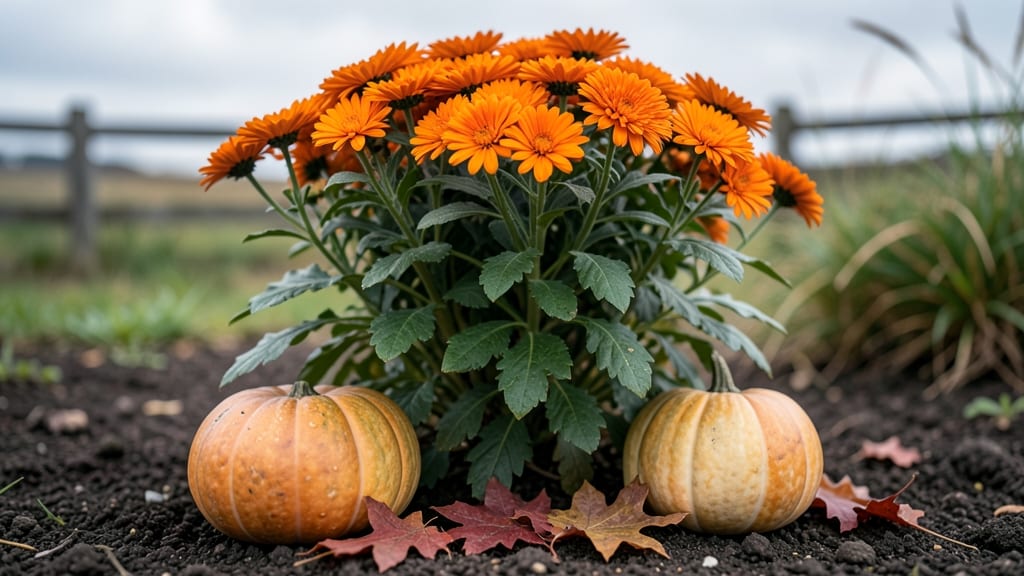
Fall gardening tips start with the crops that actually want to grow when temperatures dip. 🌿 I’ve planted kale, spinach, and carrots in October for years, and they don’t just survive—they thrive when spring crops bolt.
The secret isn’t complicated: these plants love cool weather, and with the right timing, you’ll harvest long after summer gardens fade.
First, clear out summer’s spent plants and add a 2-3 inch layer of compost to refresh the soil. Then, choose fast-maturing crops like radishes (ready in 25 days) or hardy greens that sweeten with frost.
Mulch heavily with straw to protect roots from freezing, and you’ll extend your harvest well into winter.
You’ll end up with crisp, sweet vegetables when most gardens are bare. The spinach stays tender even under light frost, carrots develop deeper flavor, and kale grows sweeter as temperatures drop. Plus, fewer pests mean less work—just pull weeds and harvest as needed.
This works for containers too: grow lettuce or peas in pots on a sunny porch. The key is acting now before the ground freezes. Let’s get those seeds in the soil while there’s still time!
📚 In This Guide
- What you need
- Instructions
- Tips and common mistakes
- Wrapping up and next steps
What you need
- ● Garden Soil: 2–3 cubic yards of well-draining, nutrient-rich soil (amend with compost or aged manure if needed).
- ○ Optional: Raised bed mix (1–2 bags) for elevated planting.
- ● Cold-Hardy Seeds or Seedlings: 5–10 lbs of fall-friendly seeds (e.g., kale, spinach, carrots, radishes, or garlic).
- ● OR 10–20 healthy seedlings (check local frost dates for transplanting).
- ● Garden Tools: 1 trowel (for transplanting seedlings).
- ● 1 hand fork or cultivator (for loosening soil).
- ● 1 pair of gardening gloves (water-resistant).
- ● 1 watering can or hose with a gentle spray nozzle.
- ○ Protective Gear (Optional but Helpful): Row covers or frost blankets (for early/late frosts).
- ● Cold frames or mini greenhouses (to extend the season).
- ● Test your soil’s pH (aim for 6.0–7.0 for most fall crops).
- ● Clear debris from your garden beds (remove weeds, old plants, or rocks).
- ● Mark planting rows with stakes or string (for neat, organized beds).
- ● Check your local frost dates—plant 6–8 weeks before the first expected frost!
Step-by-Step guide to planting cold-hardy fall crops
Here’s how to maximize your fall garden with minimal effort—these crops practically plant themselves.
🌱 Step 1: Choose the Right Cold-Hardy Crops
Pick varieties that thrive in cooler weather, like kale, spinach, carrots, or radishes. These plants love 50-60°F soil and can handle light frosts. I always go for fast-maturing varieties—they grow quickly before winter sets in. Check seed packets for "days to maturity" to ensure you’ll harvest before the first hard freeze.
Skip heat-lovers like tomatoes or peppers—they’ll bolt or rot in cool soil. Instead, focus on root vegetables and greens, which sweeten up after a frost. Planting these in late summer or early fall gives you an easy second harvest before winter.
💧 Step 2: Prepare the Soil for Cool-Season Planting
Test your soil’s fertility first—fall crops need nutrients but not the same richness as summer plants. Amend with 2-3 inches of compost or a balanced organic fertilizer (like 5-5-5) if your soil is sandy or depleted. Work it into the top 6 inches of soil to give roots room to spread.
Loosen the soil with a garden fork or tiller, breaking up any compacted layers. Cool-season crops hate soggy soil, so avoid over-amending with fresh manure—it can burn tender roots. A light raking smooths the surface for even seed placement.
☀️ Step 3: Time Planting for Optimal Harvest
Sow seeds 8-10 weeks before your first expected frost for a fall harvest. For example, if frost hits in mid-November, plant by early September. Direct-sow hardy crops like carrots and radishes—transplants shock easily in cool soil.
Use row covers or cold frames if nights dip below 40°F to protect seedlings. I’ve found that a simple floating row cover extends the season by 2-3 weeks without fuss. Water gently after planting to settle seeds into the soil—no need to soak.
🌿 Step 4: Maintain with Minimal Care
Water consistently but lightly—fall crops need moisture but hate soggy soil. Aim for 1 inch of water per week, adjusting for rain. Mulch with 2-3 inches of straw to retain moisture and insulate roots from temperature swings. This also suppresses weeds, which thrive in cool, damp soil.
Harvest regularly to encourage new growth. Kale and spinach taste sweeter after a light frost, so wait until temperatures drop to 30-35°F for peak flavor. Use sharp scissors to cut leaves—never pull them, or you’ll damage the plant.
⏰ Step 5: Plan for Winter Protection
Before the first hard freeze (20°F or below), cover crops with row fabric or thick mulch to insulate them. Some greens, like Swiss chard, survive winter and regrow in spring. Others, like radishes, bolt if left too long—harvest them before soil temps drop below 40°F.
Leave dead plants in place as mulch or compost them—this feeds the soil for next year’s spring planting. I always mark my fall garden beds with stakes so I remember where to plant early spring crops like peas or lettuce.
Tips & tricks for perfect fall gardening
Took me a while to figure these out, so here goes—simple tricks that'll make your cold-hardy fall garden a breeze.
Soil Temperature Matters: Always check soil temperature before planting—it should be between 50-60°F for optimal germination. I use a soil thermometer to avoid planting too early when soil is still warm. Cool soil speeds up growth for fast-maturing varieties, but if it's below 50°F, wait a few days or use a cold frame to warm it up.
Seed Selection Tip: Look for seed packets labeled "fast-maturing" or "cool-season" varieties. These are specifically bred to thrive in fall conditions. For example, I've had great success with 'Winterbor' kale and 'Cherry Belle' radishes—they mature in just 25-30 days before frost. The days-to-maturity on the packet is your best guide for timing.
Mulching Strategy: The 2-3 inches of straw mentioned in Step 4 does double duty—it keeps soil moist AND insulates roots from temperature swings. I've found that adding mulch right after planting prevents soil from cooling too quickly when nighttime temps drop below 40°F. Just make sure it's not touching plant stems to prevent rot.
Harvesting Wisdom: For leafy greens like kale and spinach, I wait until temperatures drop to 30-35°F before harvesting—this is when they develop their sweetest flavor. Use sharp scissors to cut leaves at the base rather than pulling them, which can damage the plant. I've learned this the hard way after ruining several plants by pulling leaves too aggressively!
Pro Tips for Fall Gardening Tips
- Took me a while to figure these out, so here goes—simple tricks that'll make your cold-hardy fall garden a breeze.
- Soil Temperature Matters: Always check soil temperature before planting—it should be between 50-60°F for optimal germination.
- Seed Selection Tip: Look for seed packets labeled "fast-maturing" or "cool-season" varieties.
Frequently asked questions
Got questions about fall gardening?
You’re not alone! Here are answers to the most common queries—whether you're a seasoned gardener or just starting out.
When is the best time to start planting fall crops?
The ideal window depends on your climate, but generally, plant cool-season crops (like kale, spinach, or radishes) 4–6 weeks before your first expected frost. In most regions, this means late summer (August–early September). Check your USDA Plant Hardiness Zone for precise timing—cooler areas can start earlier!
Can I grow anything in containers during fall?
Opt for compact varieties like bush beans, lettuce, or dwarf broccoli. Use 5+ gallon containers with drainage, and place them in sunny spots (6+ hours of light). Just remember: extend the season with row covers or cold frames if nights dip below freezing.
How do I protect my fall garden from pests?
Prevention is key! Use row covers to deter insects like cabbage moths, and handpick pests early. Copper tape deters slugs, while mulch (straw or leaves) keeps soil moist and discourages weeds. For organic solutions, try neem oil or companion planting (e.g., marigolds repel nematodes).
What if I miss the planting window—can I still garden in fall?
Don’t panic! Fast-growing crops like arugula, turnips, or green onions tolerate cooler temps and can still thrive if planted 2–3 weeks before frost. For a late start, try microgreens indoors under grow lights—no soil or outdoor space needed!
How cold is too cold for my fall garden?
Most cool-season veggies handle light frosts (25–30°F), but extreme cold (below 20°F) can damage tender greens. Use frost blankets or cold frames to shield plants. Hardy crops like kale or carrots often sweeten with frost—harvest before a hard freeze!
Wrapping up and next steps
Fall gardening is your chance to harvest beauty and bounty with minimal effort—proving that cooler weather doesn’t mean your green thumb takes a vacation! 🌿 From cold-hardy greens to hardy herbs and ornamental staples, these crops thrive when others fade, offering fresh flavors and vibrant colors right through winter.
Whether you’re a seasoned gardener or just starting, now’s the perfect time to plant, mulch, and enjoy the rewards of a low-maintenance fall garden.
Ready to dive in? Start small—pick 2-3 crops from our list, prep your soil, and watch your garden flourish. Happy planting! 🌱