Pests
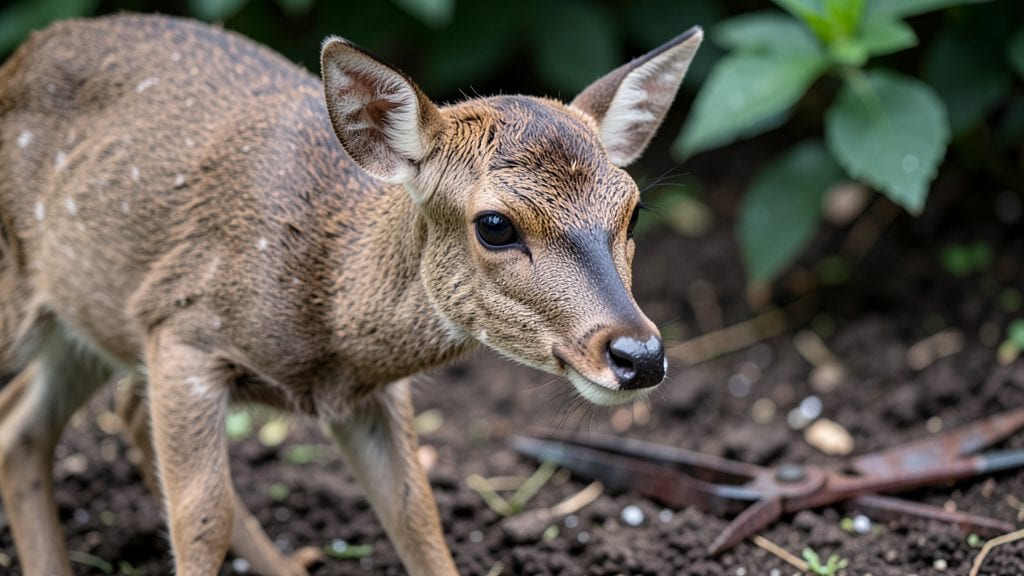
Deer in my garden turned my carefully planned beds into a buffet—until I discovered these humane, plant-safe barriers that actually work. 🌿 The key isn’t just repellents or fences, but combining smart plant choices with physical deterrents that deer can’t outsmart.
My once-devoured hostas now stand tall, and the secret lies in layering solutions that confuse and discourage them without harm.
You’ll start with the basics: tall fencing (at least 8 feet) made from materials deer can’t climb or chew through, paired with organic repellents like rotten eggs or garlic-based sprays that deer detest.
I also planted deer-resistant perennials like coneflowers and lavender around the edges—they’re tough, fragrant, and send the message "stay away." The best part? These methods protect pollinators while keeping your garden intact.
By the end, you’ll have a garden that thrives without chemical warfare. Imagine strolling past lush, unscathed foliage while deer wander off to graze elsewhere—no more waking up to fresh bite marks on your prized roses.
The results speak for themselves: fewer headaches, more blooms, and a yard that finally feels like yours again.
Works for urban backyards, rural homesteads, and everything in between. Whether you’re dealing with a handful of curious bucks or a full herd, these strategies adapt to your space and budget. Let’s get your garden back—and keep the deer at bay for good.
What Draws Deer To Gardens
Deer may seem like gentle creatures, but when they wander into your garden, they can turn it into a buffet—especially if your plants are irresistible to them. Understanding why they’re drawn to your outdoor space is the first step in creating a humane deterrent.
Here’s a breakdown of the key factors that lure deer into gardens, backed by science and nature.
Deer are herbivores with a hearty appetite, and gardens are often a smorgasbord for them. If your plants are palatable, nutrient-rich, or easy to access, deer will treat your yard like their personal salad bar.
- Preferred Plant Types: Deer have a taste for tender, young shoots and leaves, particularly:
- Hostas
- Daylilies
- Marigolds
- Roses
- Vegetables like lettuce, peas, and corn
- Seasonal Hunger: During late winter and early spring, deer may be food-deprived after a long winter with limited natural forage. Gardens with early blooms or edible plants become high-priority targets.
- Pro Tip: 💡 If your garden is a deer magnet, consider replacing high-risk plants with deer-resistant alternatives like lavender, daffodils, or boxwood. Even a few strategic swaps can reduce their interest.
In urban and suburban areas, deer often face fewer predators than in the wild. Without wolves, bears, or large cats to keep them cautious, they feel safer exploring residential gardens—especially if they’ve learned that humans won’t harm them.
- Urban Adaptation: Deer in cities or suburbs have become bolder over time, associating gardens with easy meals and low risk. If they’ve been rewarded (i.e., found food without consequences), they’ll keep returning.
- Human Behavior Influence: Leaving out pet food, birdseed, or even fallen fruit can condition deer to see your yard as a reliable food source. Once they make the connection, they’ll keep coming back.
- Pro Tip: 🌡️ If you’ve noticed deer lingering, remove all potential food incentives—even things like fallen apples or unsecured compost piles. A clean yard sends the message: “No free meals here.”
Deer are most active at dawn and dusk, and they seek out areas that provide cover, shade, and easy escape routes. If your garden offers these, it becomes an inviting stopover.
- Dense Shrubbery and Tall Grass: Deer use thick vegetation as hiding spots while they graze. If your garden has untrimmed bushes, overgrown hedges, or tall grasses, it’s like a deer’s version of a fast-food drive-thru.
- Proximity to Wooded Areas: Gardens adjacent to forests or wooded lots are high-risk because deer can slip in unnoticed and munch without fear of being spotted by predators.
- Pro Tip: ✨ Thin out dense vegetation near garden edges, especially along property lines. Keep shrubs trimmed to 3 feet or lower to reduce hiding spots. If possible, plant deer-resistant ground covers (like creeping thyme) to break up their access paths.
Deer need to drink regularly, and if your garden has a water source—like a pond, birdbath, or even a leaky hose—they’ll be drawn to it like a magnet. A hydrated deer is a happy, lingering deer.
- Standing Water: Ponds, fountains, or even shallow puddles can become deer watering holes. Once they discover a reliable source, they’ll visit frequently, increasing the chance of garden raids.
- Irrigation Systems: Drip lines or sprinklers that create damp spots can also attract deer, as they’ll follow the scent of moisture.
- Pro Tip: 🔥 If you must have a water feature, add motion-activated sprinklers or cover ponds with netting to deter deer. Otherwise, remove or secure water sources during deer-active hours (dawn and dusk).
Deer behavior shifts with the seasons, and certain times of year make gardens even more appealing. Stress, mating season, and food scarcity can all play a role.
- Rutting Season (Fall): Male deer (bucks) become aggressive and territorial during mating season (October–December). Their focus shifts from food to finding does, but they’ll still raid gardens for quick energy.
- Late Winter Food Scarcity: After a long winter, deer may be desperate for fresh greens. Gardens with early-sprouting plants (like clover or dandelions) become critical survival resources.
- Pro Tip: 🎯 During high-risk seasons, double down on deterrents like motion-activated lights, temporary fencing, or repellent sprays. Deer are more persistent when they’re stressed or hungry!
By identifying which of these factors are at play in your garden, you can target your defenses more effectively. The good news? Many of these issues can be addressed with simple, humane adjustments—no harm needed, just smart planning! 🦌🚫
Humane Ways to Deter Deer
Deer may see your garden as an all-you-can-eat buffet, but you don’t have to resort to harsh chemicals or traps to keep them away. With the right strategies, you can create a space that’s both deer-resistant and kind to wildlife.
Here’s how to tackle the problem effectively, whether you’re dealing with persistent nibblers or just want to prevent future visits.
Deer are clever but not great at climbing or jumping—so block their access with smart, low-impact solutions.
🔥 Fencing: The Gold Standard
A sturdy fence is the most reliable way to keep deer out, but it doesn’t have to be ugly or expensive.
- Height matters: Deer can jump up to 8 feet, so aim for 8-foot-tall fencing (or higher in areas with larger deer).
- Materials: Use wood, vinyl, or woven wire—just avoid barbed wire (it’s cruel and often ineffective).
- Underground protection: Bury the fence 12 inches deep or add an apron to prevent digging underneath.
- Pro tip: 💡 Slant the top outward at a 30-degree angle—deer won’t like the awkward landing spot.
🍳 Temporary Solutions for Small Gardens
If fencing isn’t an option, try these quick fixes:
- Plant supports: Use trellises or cages around prized plants (deer avoid tangled spaces).
- Row covers: Lightweight floating row covers (like those for veggies) can shield seedlings and young plants.
- Netting: Heavy-duty netting stretched over garden beds works well for short-term protection.
Deer have sensitive noses—use scents and tastes they dislike to send them packing.
🥘 Spray Repellents (DIY or Store-Bought) - Homemade options: - Garlic & hot pepper spray: Blend 2 bulbs of garlic, 1 tbsp cayenne pepper, and 1 quart of water.
Strain, add a drop of dish soap, and spray on plants. - Predator urine: Coyote or wolf urine (available at garden stores) mimics danger signals. - Store-bought sprays: Look for deer-repellent sprays with putrescent eggs (rotten egg smell) or plant-based oils. - Reapply after rain: 🌡️ Every 1-2 weeks (or after heavy rain) to keep it effective.
🔪 Plant-Based Deterrents
Some plants naturally repel deer—strategically place them around your garden’s edges:
- Lavender, marigolds, or daffodils (deer avoid their strong scents).
- Rue, foxglove, or alliums (toxic or bitter to deer).
- Pro tip: 🎯 Plant a "deer barrier border"—a ring of repellent plants around your garden can create a natural buffer.
Deer are skittish—surprise them with unexpected movements or sounds.
- Motion-activated sprinklers: Devices like ScareCrow spray water when deer approach (harmless but annoying).
- Reflective tape or old CDs: Hang shiny objects (like CDs or reflective tape) to create flashes of light that confuse them.
- Wind chimes or pinwheels: The noise and movement can deter them from lingering.
The key to keeping deer away is making your garden less appealing than the woods or fields nearby.
📊 Remove Their Favorite Foods
- Avoid planting deer magnets: Skip hostas, tulips, roses, and daylilies—they’re deer delicacies.
- Opt for native, tough plants: Black-eyed Susans, coneflowers, and Russian sage are hardier and less tempting.
💪 Secure Trash & Compost
- Use sealed bins for compost and trash—deer will raid open piles for food scraps.
- Avoid over-fertilizing: Rich soil smells like a buffet to deer.
🌙 Lighting & Landscaping Tricks
- Install outdoor lights (motion-activated or timers) to discourage nighttime visits.
- Keep lawns mowed—deer prefer tall grass for cover, so a well-maintained yard is less inviting.
- Combine methods: Use fencing + repellents + motion deterrents for the best results.
- Be patient: Deer may take a few weeks to learn your garden is off-limits.
- Check local regulations: Some areas restrict certain repellents or fencing types—always confirm first.
With these humane and practical solutions, you can enjoy a thriving garden without the worry of deer damage. 🌱🐾
Frequently asked questions
What’s the best height for deer-proof fencing?
For most areas, an 8-foot fence is the gold standard—deer can easily clear 6 feet, but 8 feet forces them to jump awkwardly. For regions with larger bucks, consider 9 feet or add an outward slant to the top to discourage landing. Bury the fence 12 inches deep or add an apron to block digging.
Do deer repellent sprays actually work?
Yes, but effectiveness depends on consistency. Homemade sprays (like garlic-chili blends) or commercial options (rotten egg or predator urine) work best when reapplied every 1-2 weeks or after rain. For stronger results, combine sprays with physical barriers like fencing or netting.
Are there plants deer completely ignore?
While no plant is 100% deer-proof, these are the toughest choices: lavender, daffodils, Russian sage, boxwood, and yarrow. Deer avoid their strong scents or toxic properties. Plant them as a border around your garden to create a natural deterrent zone.
Will motion-activated sprinklers scare deer away?
Devices like ScareCrow spray a harmless burst of water when deer approach, startling them without harm. For best results, place them near high-traffic areas (like garden edges) and pair them with other deterrents. Deer learn quickly to avoid the surprise!
Can I use reflective tape or old CDs to deter deer?
Yes, but with mixed results. Hanging reflective tape, CDs, or old silverware creates flashes of light that confuse deer, especially at dawn/dusk. For stronger effects, combine with other methods like repellents or motion-activated lights. Deer may ignore it alone after a few weeks.