
Tools
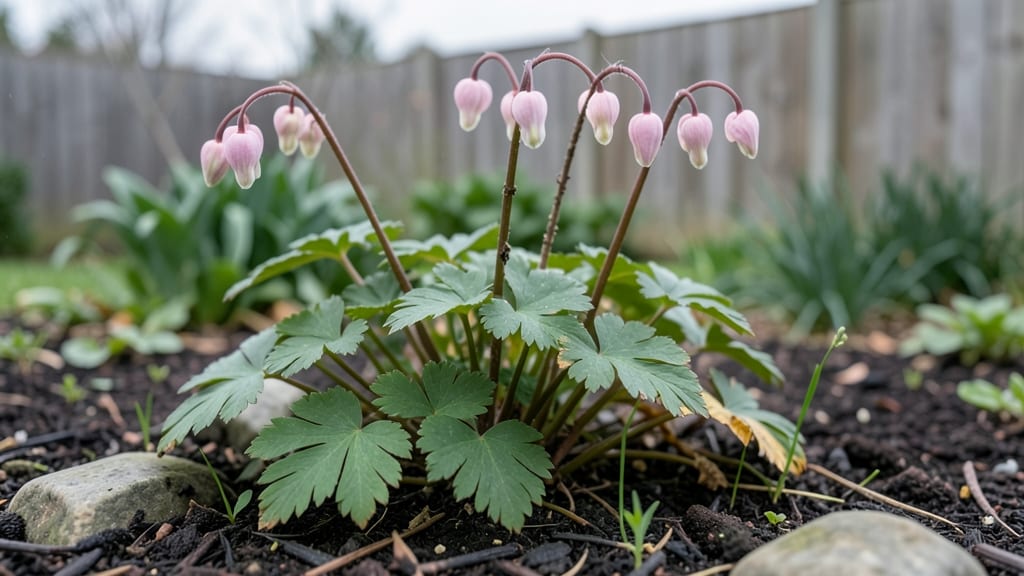
Creating a bleeding heart garden transforms shady corners into dreamy, romantic retreats where delicate pink and white heart-shaped blooms cascade like nature’s own lace. 🌿 I’ve designed gardens where these plants aren’t just tucked into borders—they become the star of vertical displays, climbing trellises, or layered woodland understories that feel like a fairy tale.
The magic happens when you pair bleeding hearts with shade-loving companions like hostas, ferns, and astilbes, creating a lush, multi-season tapestry. They thrive in dappled light where other plants struggle, and their arching stems add textural drama that’s impossible to ignore.
A single plant can stretch 3-4 feet wide, so plan for their generous habit—think containers, raised beds, or naturalistic drifts along garden edges.
By late spring, your garden will burst with heart-shaped blooms that sway in the breeze, followed by feathery seed heads that add winter interest. The key is keeping soil consistently moist and rich—compost mixed into the planting hole makes all the difference.
Once established, they’re low-maintenance but high-reward, turning even the quietest garden corner into a showstopper.
Whether you’re working with a woodland garden, a cottage-style border, or a small container setup, bleeding hearts adapt beautifully—just give them space to spread and let their graceful habit do the work. The result? A garden that feels alive, intentional, and utterly enchanting all season long.
📚 In This Guide
- What you need
- Instructions
- Tips and common mistakes
- Wrapping up and next steps
What you need
- ● Bleeding Heart Plants (Dicentra spectabilis): 3–5 mature plants (or 10–15 young starts for denser coverage)
- ● Varieties: 'Alba' (white), 'Valentine' (pink), or 'King of Hearts' (deep pink)
- ● Vertical Garden Structure: 1–2 trellises (6–8 ft tall, metal or wooden for durability)
- ● OR a tiered hanging planter system (with pockets for modular planting)
- ● Soil Mix: 5–10 gallons of well-draining potting mix (add perlite or compost for fluffiness)
- ○ Supporting Plants (Optional but Helpful):strong> 1–2 Hosta (shade-loving companions) or Ferns (for texture)
- ● 1–2 Astilbe or Heuchera for contrasting foliage
- ● Basic Gardening Tools: 1 trowel (for planting)
- ● 1 pair of pruning shears (for trimming)
- ● 1 watering can (or hose with gentle spray nozzle)
- ● 1 gloves (gardening or work gloves)
- ● Decorative garden stakes or painted markers to label plants
- ● Mulch (2–3 inches of shredded bark to retain moisture)
- ● Slow-release fertilizer (balanced 10-10-10 for spring planting)
- ● Fairy lights or solar-powered garden lights for evening ambiance
- ● Whimsical garden art (e.g., mini trellises, wind chimes, or mosaic tiles)
Step-by-Step instructions for creating a whimsical bleeding heart garden
Here's how to craft a layered, vertical display that turns this delicate perennial into a showstopper.
🌿 Step 1: Select the Perfect Planting Site
Bleeding hearts thrive in partial shade—think 4-6 hours of morning sun with afternoon shade protection. I always scout the area first, watching how sunlight moves across the space throughout the day. Avoid harsh afternoon rays, which scorch their tender foliage and cause leaf burn.
Test the soil moisture by digging a small hole and checking drainage. Bleeding hearts despise soggy roots, so if water pools after 30 minutes, amend the soil with 2-3 inches of compost to improve aeration. The ideal spot balances moisture retention with good drainage—like a damp forest floor but without the waterlogging.
🪴 Step 2: Layer Soil and Mulch for Optimal Growth
Remove any grass or weeds from the planting area, then loosen the top 6 inches of soil with a garden fork. Work in 2 inches of compost and a handful of bone meal (for phosphorus) to encourage strong root development. Bleeding hearts have shallow, fibrous roots, so they rely on rich, well-aerated soil to thrive.
Mound the amended soil into a slightly raised bed (about 1-2 inches high) to improve drainage and prevent water from pooling around the crown. Cover the surface with 3 inches of mulch—I prefer shredded bark—to suppress weeds, retain moisture, and protect roots from temperature swings. Keep mulch 2 inches away from stems to prevent rot.
🌱 Step 3: Plant Bleeding Hearts with Care
Dig holes twice as wide as the root ball but only as deep as the container’s base. Gently remove each plant from its pot, loosening tangled roots if needed. Place the root ball in the hole so the top sits just below soil level—never bury the crown, or it’ll rot. Backfill with soil, tamping lightly to eliminate air pockets.
Space plants 18-24 inches apart to allow for their eventual 2-3 foot spread. I like to arrange them in odd-numbered clusters (3, 5, or 7) for a natural, whimsical look. Water deeply immediately after planting to settle the soil and encourage root contact. You’ll know it’s right when moisture reaches 4-6 inches deep—check with a trowel.
☀️ Step 4: Create Vertical Layers for Dramatic Height
Plant taller companions like hostas or ferns behind bleeding hearts to frame them, while lower-growing heucheras or ajugas spill forward for texture. I often weave in ornamental grasses (like Hakonechloa) at the edges to add movement and contrast. This vertical layering makes the heart-shaped blooms pop against a dynamic backdrop.
For a truly whimsical touch, add small stepping stones or moss-covered boulders around the base to create a fairy-garden feel. Bleeding hearts pair beautifully with white or silver foliage—the contrast makes their pink and white blooms stand out even more. Avoid planting anything with aggressive roots (like mint or bamboo), as they’ll crowd out your delicate perennials.
⏰ Step 5: Maintain Through the Seasons
Water deeply once a week (or more in extreme heat) to encourage deep root growth. You’ll know it’s enough when the top 2 inches of soil feel dry—stick your finger in to check. Fertilize lightly in early spring with a balanced 10-10-10 formula to support new growth, but avoid heavy feeding after midsummer, as it promotes weak stems.
After blooming, trim spent flower stalks to just above the first set of leaves to redirect energy into next year’s growth. In late fall, cut back foliage to 4 inches tall and add a 2-inch layer of mulch to protect roots over winter. Bleeding hearts are deciduous, so they’ll go dormant—don’t disturb them until early spring, when new shoots emerge.
Tips & tricks for perfect whimsical bleeding heart gardens
Creating a stunning bleeding heart display takes more than just planting—it's about strategic layering and seasonal care that transforms your garden into a living work of art.
Soil Preparation Secret: In Step 2, when you're amending the soil, I recommend adding a handful of perlite or vermiculite to the 2 inches of compost for even better aeration. This helps prevent compaction, which bleeding hearts absolutely hate. Their shallow roots need that extra breathability to thrive—especially in denser clay soils. Think of it as giving them a fluffy pillow to nestle into.
Planting Depth Caution: Don't make my mistake of burying the crown in Step 3! The top of the root ball should sit just below soil level—never deeper. I learned this the hard way when my first batch of bleeding hearts developed crown rot from being planted too deeply. A quick way to check: after backfilling, the soil line should align with where the plant stem meets the roots.
Vertical Layering Pro Tip: For that magical whimsical effect in Step 4, consider adding dwarf conifers like 'Blue Rug' juniper behind your bleeding hearts. Their silvery-blue foliage creates a stunning backdrop that makes the pink blooms pop like jewelry. Just keep them 12-18 inches away to prevent root competition—bleeding hearts are delicate divas that need their space.
Seasonal Care Timing: In Step 5, when you're preparing for winter, I've found that adding a thin layer of straw mulch over the existing 2-inch layer provides extra insulation during freeze-thaw cycles. This prevents the soil from expanding and contracting too much, which can damage those shallow roots. It's like giving your plants a cozy winter blanket.
Pro Tips for Bleeding Heart Garden
- Creating a stunning bleeding heart display takes more than just planting—it's about strategic layering and seasonal care that transforms your garden into a living work of art.
- Soil Preparation Secret: In Step 2, when you're amending the soil, I recommend adding a handful of perlite or vermiculite to the 2 inches of compost for even better aeration.
- Planting Depth Caution: Don't make my mistake of burying the crown in Step 3!
Frequently asked questions
What’s the best time of year to plant bleeding hearts?
For bleeding heart (Dicentra spectabilis), early spring or fall is ideal—when soil is cool but not frozen. Planting in spring gives roots time to establish before summer heat, while fall planting lets them settle before winter dormancy. Avoid extreme heat or frost! Pro tip: Mulch after planting to retain moisture and protect roots.
Can I grow bleeding hearts in containers or just in the ground?
While they thrive in garden beds with rich, moist soil, bleeding hearts adapt well to large containers (18"+ diameter). Use a well-draining potting mix with added organic matter (like compost) and ensure the pot has drainage holes. Containers dry out faster, so water consistently—especially in hot weather.
Why aren’t my bleeding hearts blooming?
Common culprits include too much sun (they prefer partial shade), poor soil (amend with compost), or over-fertilizing (use a balanced, low-nitrogen fertilizer in early spring). If established plants aren’t blooming, check for root-bound conditions (divide clumps every 3–4 years) or drought stress. Patience helps—some varieties take 2–3 years to mature!
What are some low-maintenance alternatives to bleeding hearts?
If bleeding hearts seem fussy, try these shade-loving, low-maintenance perennials for vertical drama:
- Astilbe – Feathery plumes, thrives in moist soil.
- Hosta – Hardy foliage with minimal care.
- Japanese Painted Fern – Unique textures, drought-tolerant once established.
- Lungwort (Pulmonaria) – Early blooms and spotted leaves.
How do I keep bleeding hearts hydrated without overwatering?
Bleeding hearts hate dry soil but despise soggy roots too. Water deeply 1–2 times per week (more in heatwaves), aiming for 1–2 inches of water per week. Pro tip: Install a soaker hose or mulch with 3–4 inches of shredded bark to retain moisture. Avoid overhead watering to prevent fungal issues.
Wrapping up and next steps
Creating a bleeding heart garden is more than just gardening—it’s a heartfelt way to bring joy, color, and life to your outdoor space. With its whimsical vertical layers and season-long beauty, this design transforms even the smallest areas into a lush, enchanting retreat.
Whether you’re a seasoned gardener or just starting, the key is to embrace creativity, experiment with textures, and let your space reflect your unique style.
Ready to dive in? Start small—pick one corner, one wall, or even a container, and let your bleeding heart garden grow into something magical. Happy planting! 🌿✨